
 844 744 6348
Can You Bring Snacks on a Plane? TSA Rules Explained
May 4, 2026
It is the night before your flight. You have your bags packed, your boarding pass is ready on your phone, and you are staring at a bag of chips and a container of leftover pasta. Then, the doubt creeps in: Can you bring snacks on a plane, or will the security officer make you toss them in that giant plastic bin of forgotten snacks?
Airport security can feel like a high-stakes guessing game. We have all heard stories of people losing their expensive jars of honey or gourmet peanut butter to the liquids rule. However, flying in 2026 doesn’t have to be a hungry experience. Whether you are flying from New York to Los Angeles or hopping on a flight from Chicago to Miami, knowing the latest TSA snacks rules 2026 is the secret to a stress-free (and delicious) journey.
Can You Bring Snacks on a Plane?
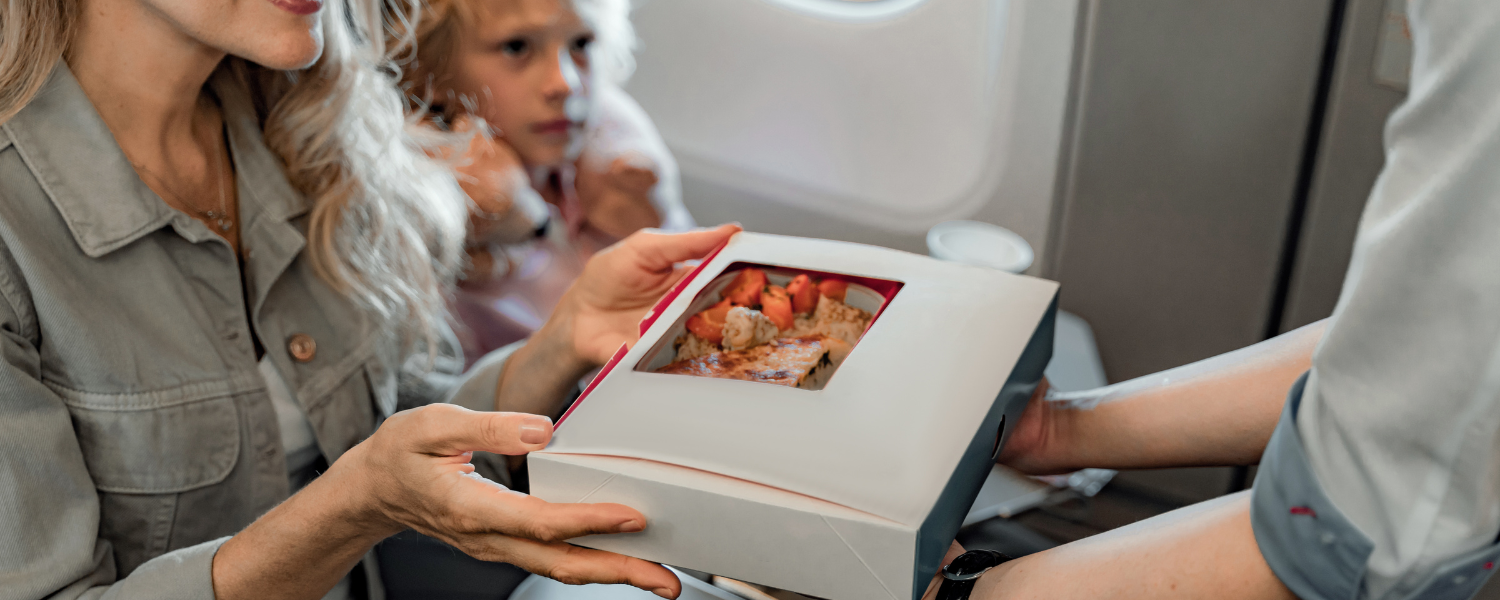
If you are looking for the short answer: Yes, you can bring snacks on a plane!
The Transportation Security Administration (TSA) allows almost all solid food items through security checkpoints. The trick is understanding the difference between a solid and a liquid.
Featured Snippet Answer: Most solid snacks like chips, nuts, sandwiches, and protein bars are 100% allowed in both carry-on and checked bags. However, any snack that is a liquid, gel, or paste (like yogurt, peanut butter, or hummus) must follow the 3-1-1 rule, meaning it must be in a container of 3.4 ounces (100ml) or less to go in your carry-on.
TSA Rules for Food in Carry-On Bags (2026 Update)
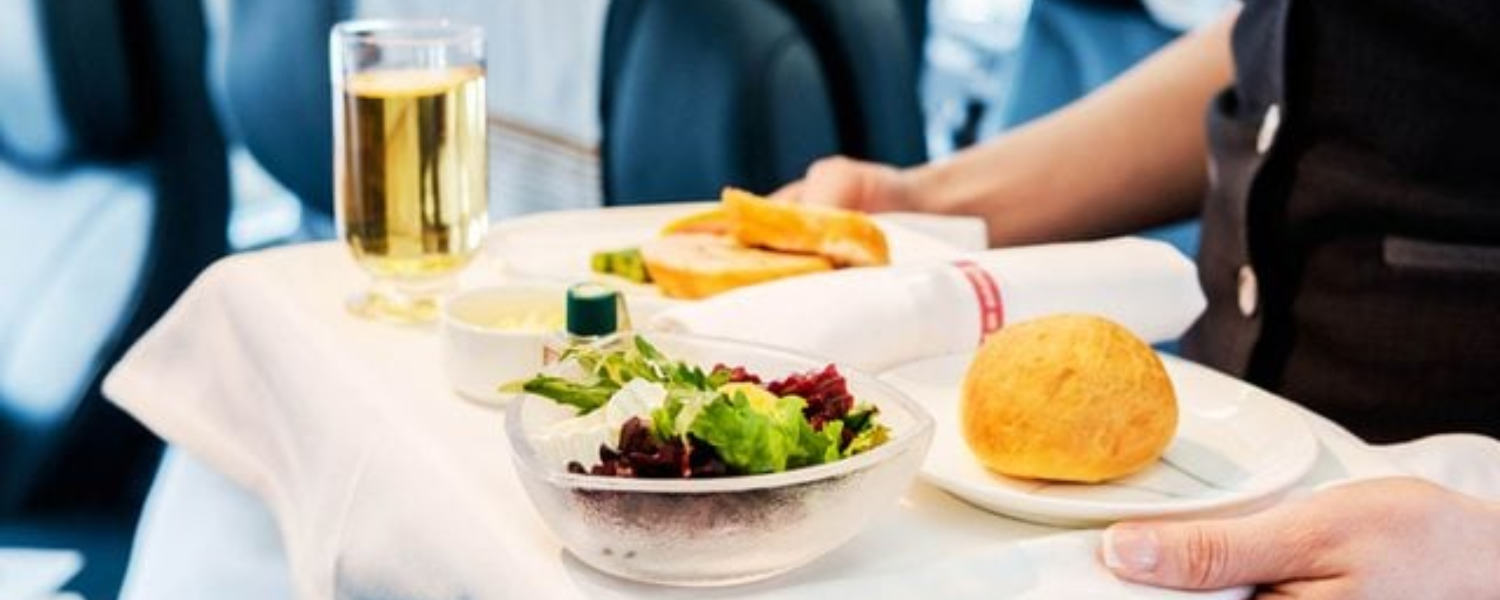
As we move through 2026, TSA technology has become more advanced. Many airports now use AI-powered CT scanners that provide a 3D view of your bag. While this helps security see hidden items, it also means they are more precise about identifying liquids.
The Golden Rule: Solid vs. Liquid
When asking, Can you bring snacks on a plane? remember this simple test: If you can spill it, spread it, spray it, pump it, or pour it, TSA considers it a liquid.
- Solid Foods: These are unrestricted. You can pack as many crackers, cookies, or sandwiches as you want.
- The 3-1-1 Rule: This rule still applies to any food that isn’t a hard solid. Your snack must be:
- 3.4 ounces (100ml) or less per container.
- Placed in 1 quart-sized, clear, plastic zip-top bag.
- Only 1 bag per passenger.
The Screening Process
In 2026, you may not always have to take your food out of your bag, depending on the airport’s equipment. However, it is a best practice to keep your snacks in a dedicated pouch. If a TSA officer can’t get a clear X-ray view because your bag of trail mix is blocking something else, they will have to open your bag for a manual search.
What Snacks You Can Bring on a Plane
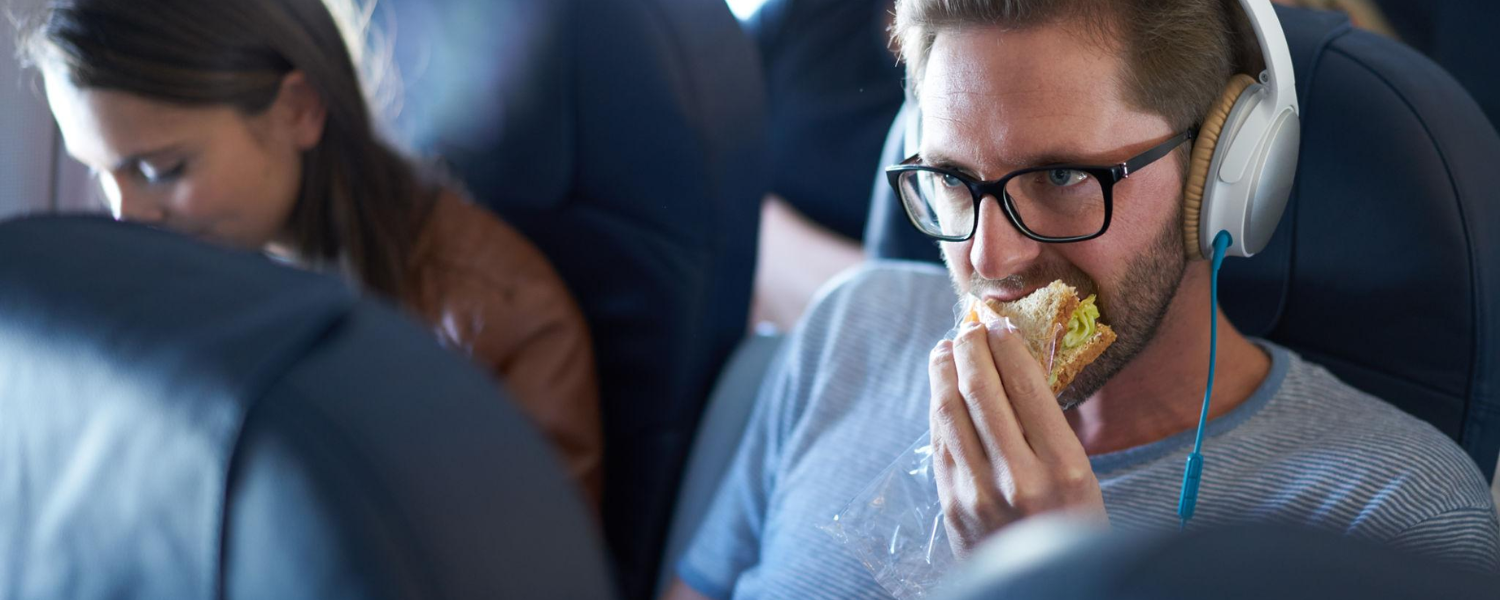
Packing your own food is one of the smartest flight travel tips for saving money and eating healthier. Here is a list of snacks that are Green Lit for your carry-on:
- Dry Snacks: Chips, pretzels, popcorn, and crackers are perfect. Can you bring chips on a plane? Absolutely, they are a traveler’s favorite because they are lightweight and completely solid.
- Protein & Energy Bars: Granola bars and protein bars are excellent snacks for long flights because they keep you full without taking up much space.
- Fruit and Veggies: Hard fruits like apples and oranges, or crunchy veggies like carrots and celery, are great. (Note: These are fine for domestic flights USA, but be careful with international rules!)
- Sandwiches and Wraps: Whether it is a turkey sub or a PB&J, sandwiches are allowed. Just ensure there isn’t a massive amount of liquid dressing or gravy inside.
- Nuts and Seeds: Almonds, walnuts, and dried fruits are high-energy best snacks for flights.
What Snacks Are NOT Allowed (Or Restricted)
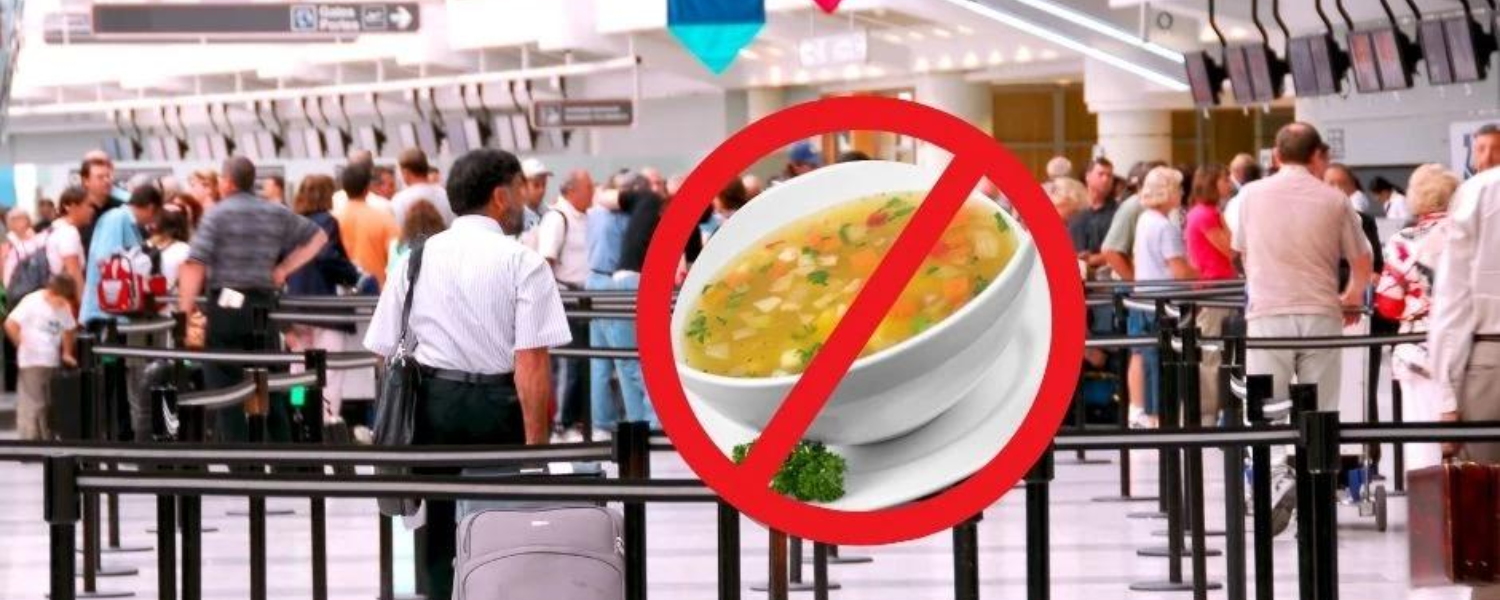
This is where travelers often get caught. You might think of these as food, but the TSA thinks of them as gels. To avoid the heartbreak of losing your snack, keep these in the 3.4-ounce limit or pack them in your checked luggage:
- Creamy Spreads: Peanut butter, Nutella, hummus, and honey. (Yes, even a giant jar of peanut butter is a liquid in the eyes of the TSA).
- Dairy Products: Yogurt, cottage cheese, and soft cheeses (like brie or goat cheese).
- Liquid-Heavy Containers: Salsas, jams, jellies, and maple syrup.
- Soups and Stews: Unless you are carrying an empty thermos and buying the soup after security, these won’t make it through.
- Canned Foods: Most cans contain some liquid or brine. Because the cans are usually metal and opaque, they often require extra screening and are frequently confiscated if they exceed 3.4 ounces.
Can You Bring Snacks on International Flights?
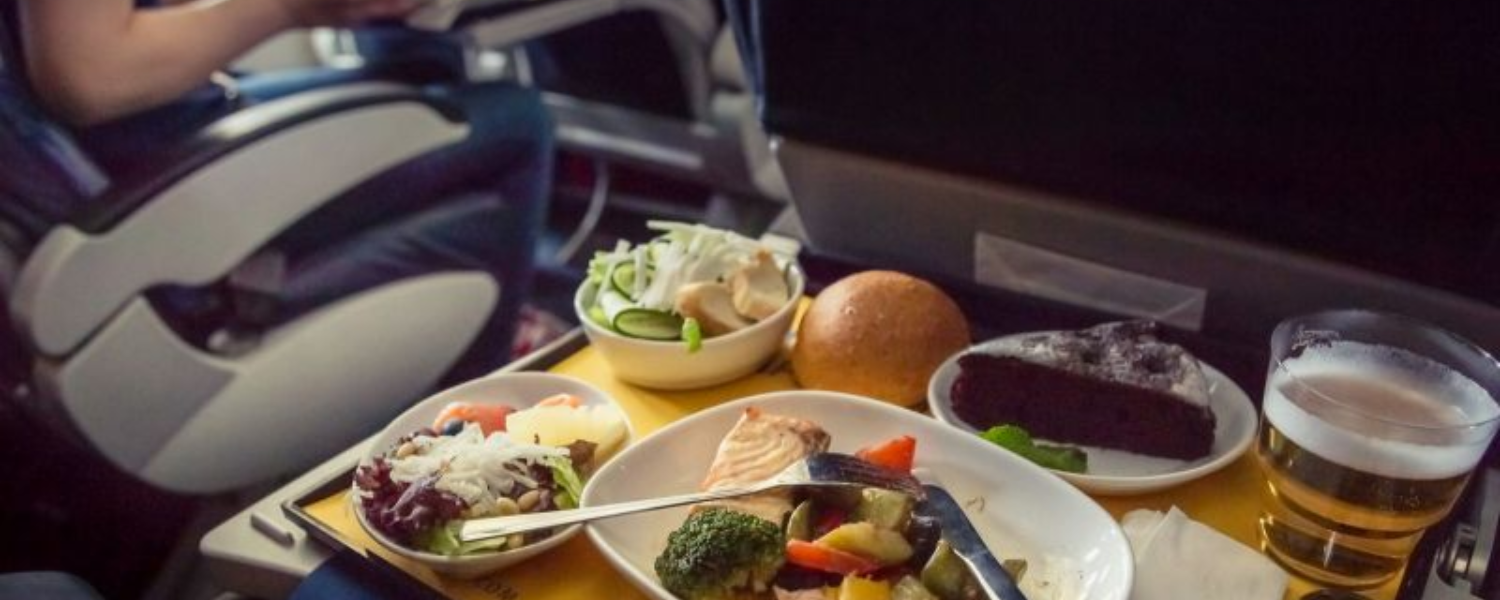
The question of can you bring snacks on a plane gets a bit more complicated when you cross borders. While the TSA controls what goes onto the plane in the U.S., Customs and Border Protection (CBP) controls what you can bring into a new country.
Customs Restrictions
Most countries are very protective of their local agriculture. Bringing fresh produce or meat into a new country can introduce pests or diseases.
- Fresh Fruits and Vegetables: Usually a big No. If you have an apple left over from your flight to London or Tokyo, eat it before you land or leave it on the plane.
- Meats and Cheeses: Many countries restrict the entry of pork, beef, or poultry products.
- The Declare It Rule: If you are unsure, always declare your food on your customs form. If you declare it and they don’t allow it, they just take it away. If you don’t declare it and they find it, you could face heavy fines—sometimes upwards of $500!
Tips for Packing Snacks for Flights
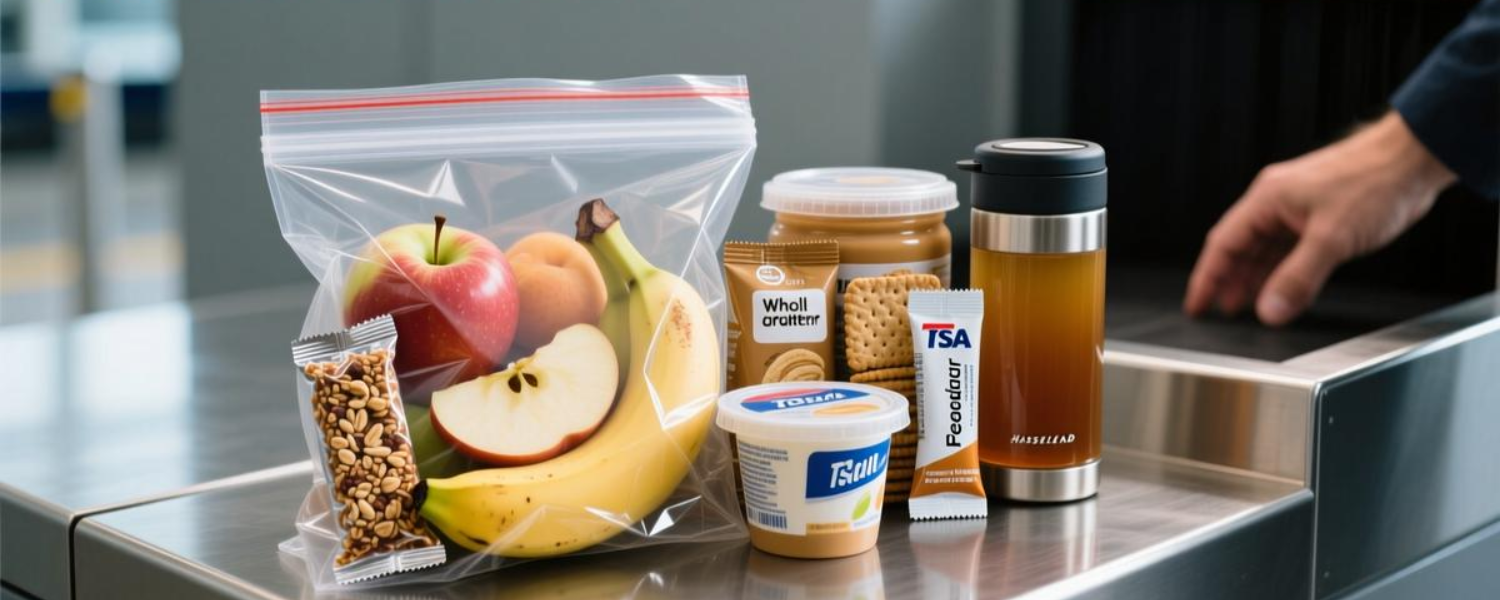
To ensure a smooth trip on your domestic flights USA, follow these pro-packing tips:
- Use Clear Containers: Transparent silicone bags or clear Tupperware help TSA officers see what’s inside without opening every container.
- Think No-Mess: Avoid foods that crumble easily or have a strong odor. Your seatmate on a Dallas to Atlanta flight will appreciate you not eating tuna or heavy garlic snacks in a confined cabin.
- The Empty Bottle Trick: While you can’t bring a full water bottle, you can bring an empty one. Fill it up after security to save $6 on airport water.
- Temperature Control: If you are bringing cheese or a sandwich, pack a small frozen gel pack. Crucial Tip: The gel pack must be frozen solid when you go through security. If it is slushy or melted, it counts as a liquid!
- Separate Your Snacks: Put all your food in one easy-to-grab bag. If security asks you to pull out your food, you won’t be digging through your laundry to find a stray granola bar.
Common Mistakes Travelers Make
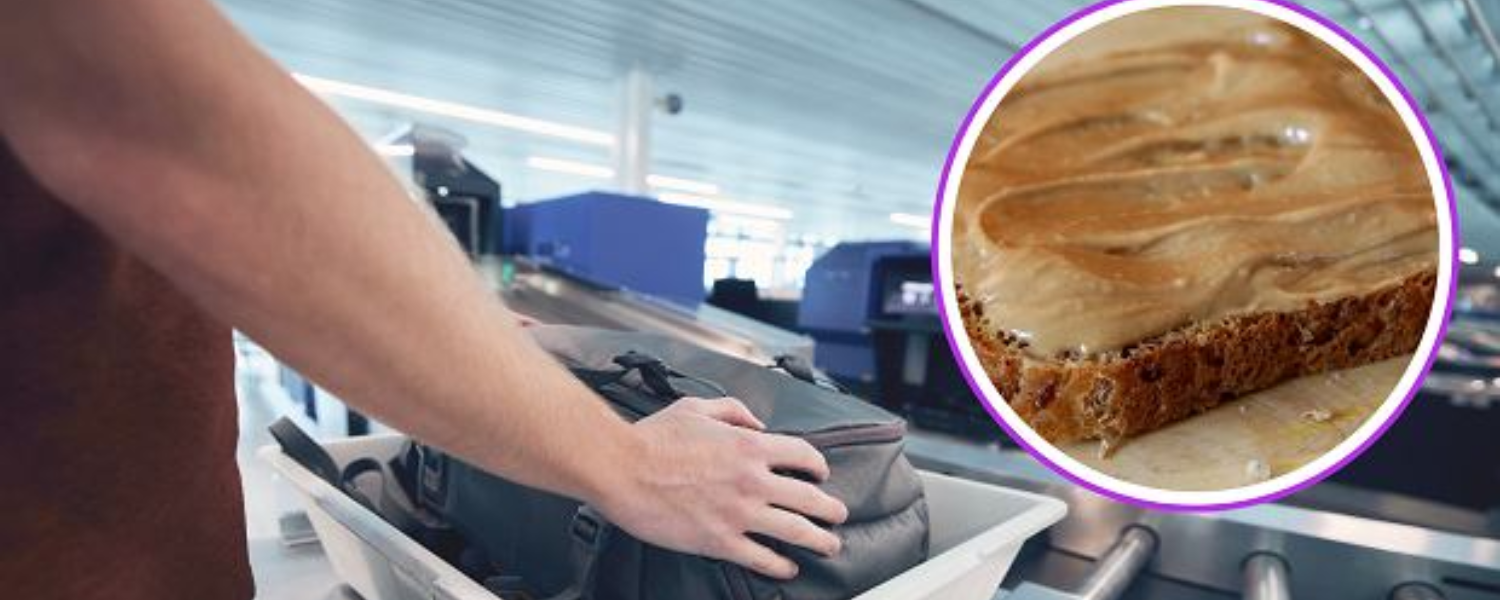
Even seasoned travelers make errors when considering what food is allowed on a plane. Avoid these pitfalls:
- The Half-Full Mistake: If you have a 6-ounce jar of jam that is only half full, it is still prohibited. TSA looks at the container size, not the amount of product inside.
- Forgetting International Rules: Don’t assume that because you bought a snack in the US airport, it can enter a foreign country. Always check the destination’s customs website.
- The Salad Dressing Trap: You can bring a salad, but if you pour the dressing over it beforehand, the bottom of the bowl might become a liquid pool that triggers a bag search. Keep dressings in a separate 3.4-ounce travel bottle.
- Overpacking: While snacks allowed on plane luggage have no strict weight limit from TSA, remember that you have to carry that bag! Stick to calorie-dense, lightweight options.
Conclusion: Travel Confident and Full
The answer to can you bring snacks on a plane is a resounding yes as long as you play by the solid vs. liquid rules. Packing your own food is a fantastic way to handle cheap domestic flights that might not offer meal service, and it ensures you have exactly what you want to eat at 30,000 feet.
By following TSA food rules, you can breeze through security and spend your time relaxing at the gate instead of arguing over a jar of salsa. Whether you are prepping for snacks for long flights or just a quick hop, a little preparation goes a long way.
Read More: Protect Your Travel & Know Your Rights
Don’t let a disrupted travel day cost you money. Master your passenger rights with our expert guides:
-
Is Trip Insurance Worth It? Reasons to Buy Travel Protection When You Fly
-
Understanding the Airline Refund Process: How to Get Your Money Back
Frequently Asked Questions (FAQs)
Q: Can you bring snacks through airport security?
A: Yes! Most solid snacks like crackers, nuts, and sandwiches are permitted. Only liquid or gel-like snacks (yogurt, pudding, etc.) must follow the 3-1-1 rule.
Q: Can I bring homemade food on a plane?
A: Definitely. You can bring home-cooked meals like pasta, stir-fry, or sandwiches. Just ensure there is no excess liquid or sauce at the bottom of the container, as this might be flagged as a liquid.
Q: Are snacks allowed on international flights?
A: You can bring them on the plane to eat during the flight. However, most countries prohibit you from bringing fresh fruits, vegetables, or meats off the plane and into the country.
Q: Can you bring chips on a plane?
A: Yes, chips are considered a solid food and are fully allowed. They do not fall under the liquid restrictions, so you can bring a standard size or even a family-size bag!
CALL US TOLL-FREE to get the best unpublished rate
Submit a request
Southwest Airlines Baggage Policy 2026: Updated Fees, Carry-On Rules & Free Bags
Southwest Airlines was known for decades as the one carrier...
Can You Put an Apple AirTag in Checked Luggage? TSA, Airline Rules & How to Track Your Bag
Lost luggage is one of the most stressful experiences for...

Airplane Myths Debunked: What Travelers Get Wrong About Flying
Every single day, millions of passengers pack their bags, clear...
Can You Bring Food on an Airplane? TSA Rules and Packing Tips
Yes, you can bring food on an airplane in almost...
Can You Carry a Guitar on a Plane? TSA Rules
If you are wondering, "can you carry guitar on plane,"...


About Us
Truairfare.com is an online search portal for flights tickets where you can find a variety of accommodations near you or at your preferred location.
Get in Touch
Disclaimer:- We are resellers of travel products and services, including hotels, flight deals, car rentals, vacation packages, and attractions. We are a travel company with an online portal partnered with travel consolidators and third-party travel providers. We are not directly or indirectly associated with any airline, hotel, resort, or accommodation. All prices quoted through us include all taxes and fees. The hotel search engine used is a third-party tool from Travelpayouts, which is simply used to provide information; we are not associated with any company, accommodation, or property available on it.
