
 844 744 6348
Can You Bring Food on an Airplane? TSA Rules and Packing Tips
August 25, 2026
Yes, you can bring food on an airplane in almost all situations. Whether you are flying across the country or heading overseas, airport security officers generally permit travelers to pack their own meals and treats.
However, airport security guidelines depend heavily on the physical form of the item, whether it contains liquids or gels, how it is packed, and whether your journey is domestic or international.
Packing your own meals is one of the smartest flight preparation tips you can use. Airport terminals are notorious for overpriced snacks and long lines at fast-food kiosks. When you bring your own food, you save money, eat healthier, and guarantee that you have something delicious to eat if your flight faces unexpected tarmac delays.
Jump to a section:
Can You Bring Food on an Airplane? The Basic Rules
Understanding the fundamental regulations makes packing simple. Solid foods are permitted in both carry-on baggage and checked bags. When going through airport security checkpoints, Transportation Security Administration (TSA) officers screen all items using X-ray machines.
To keep security moving smoothly, follow these core principles:
- Solid foods can pass freely through security in normal personal quantities.
- Any food that is a liquid, gel, paste, or spread must comply with standard liquid limits (containers must be 3.4 ounces or 100 milliliters or less in carry-on bags).
- Individual airline baggage rules rarely restrict food consumption on board, but flight crews may ask passengers to avoid opening certain allergen-heavy items like peanuts on specific flights.
- International customs agencies enforce separate rules for fresh produce, meats, and agricultural products upon arrival.
Familiarizing yourself with general TSA carry-on rules ensures that you avoid having your lunch confiscated at the checkpoint.
What Food Can You Bring on a Plane?
Most solid, shelf-stable groceries and snacks pass through security without any trouble. TSA officers permit both factory-sealed packages and opened items, provided they are not messy or liquid-heavy.
✅ Usually allowed:
• Sandwiches, wraps, bagels
• Chips, pretzels, popcorn
• Cookies, crackers, granola bars
• Nuts, seeds, trail mix
• Candy, chocolate, dried fruit
• Solid fresh fruits (apples, bananas)
• Hard cheeses, baked goods
• Solid cooked proteins
When preparing items at home, wrap them tightly in foil, plastic wrap, or transparent reusable bags. This keeps your food fresh and allows security agents to inspect it quickly if additional screening is required.
Can You Bring Homemade Food on a Plane?
You are completely free to bring homemade food through airport security. Travelers often pack homemade meals to meet strict dietary needs or simply to enjoy a fresh meal during transit.
Solid homemade dishes like pasta salads (without heavy dressing pooled at the bottom), sandwiches, roasted meats, and homemade baked goods are completely fine. However, you must be careful with spreads and sauces.
Always pack homemade food in clear, leak-proof food containers. Keeping your food organized makes it easy to pull out of your bag if a TSA officer requests a closer look.
Can You Bring Snacks on a Plane?
Packing travel snacks is one of the best ways to stay comfortable during air travel. If you are wondering can you bring snacks on a plane, the answer is a clear yes.
Carrying your own snacks is especially helpful for budget travelers who find cheap flights and book flights online, as low-cost carriers frequently charge extra fees for even small snack boxes or bottled water. Dry snacks take up minimal space in your personal item, do not require refrigeration, and provide reliable energy during long layovers.
Foods You Cannot Bring Through Airport Security
The biggest confusion around airport security food rules involves items that behave like liquids or gels. TSA applies the standard 3.4-ounce liquid rule to any food item that can be spilled, poured, squeezed, or spread.
❌ Restricted or limited to 3.4 oz in carry-on:
• Soups, broths, and stews
• Yogurt, pudding, and gelatin cups
• Creamy dips like hummus, salsa, guacamole, and queso
• Jams, jellies, peanut butter, and Nutella
• Salad dressings, oils, and vinegars
• Canned foods that contain liquid (such as tuna in oil or canned beans)
• Ice packs or freezer packs that are slushy or partially melted (must be frozen solid to pass)
If you must travel with these items in larger quantities, place them securely inside your checked luggage instead of your carry-on baggage.
Can You Bring Drinks on an Airplane?
Beverages are strictly controlled at the security checkpoint. You cannot bring bottles of water, soda, juice, or coffee larger than 3.4 ounces through the security line.
To stay hydrated without paying high prices, follow these flight travel tips:
- Bring an empty reusable water bottle through airport security.
- Once you clear the checkpoint, fill your bottle at a terminal water station or fountain.
- You can also purchase full-sized drinks, hot coffee, or bottled juices at airport shops past security and carry them directly onto the plane.
Domestic vs. International Flights
Domestic Flights
On domestic flights within the United States, TSA rules govern what passes through security. Once you are past the checkpoint, you can carry your food onboard and eat it during the flight without legal restrictions.
International Flights
While TSA rules still apply when departing a US airport on an international route, the destination country enforces strict customs and biosecurity laws. Most countries restrict incoming fresh fruit, vegetables, meats, plants, seeds, and unpasteurized dairy to prevent foreign agricultural pests and diseases.
If you bring fresh items like whole apples or meat sandwiches on an international flight, be sure to eat them before landing or declare them on your customs arrival form.
Can You Bring Baby Food on a Plane?
Parents traveling with infants or toddlers receive special exemptions from standard liquid restrictions. TSA classifies baby formula, breast milk, toddler drinks, and puréed baby food pouches as medically necessary liquids.
Key guidelines for flying with baby food:
✔ Formula, breast milk, and baby food are permitted in quantities greater than 3.4 ounces in carry-on bags.
✔ You do not need to fit these items inside a quart-sized zip-top bag.
✔ Inform the TSA officer at the beginning of the screening process that you are carrying baby food or milk.
✔ Keep these items easily accessible, as officers will screen them separately using bottle scanners or test strips.
✔ Frozen breast milk packs and cooling gel packs are also allowed.
Best Foods to Pack for Long Flights
👍 Great options
Almonds, walnuts, and mixed seeds; protein bars; whole-grain crackers and hard cheese sticks; bananas, apples, and dried apricots; solid wraps or sandwiches made with hearty bread that does not get soggy.
👎 Foods to avoid
Pungent foods with strong odors (hard-boiled eggs, tuna, garlic dishes); overly crumbly pastries; highly perishable items with raw dairy or seafood that spoil quickly without refrigeration.
How to Pack Food for Air Travel
Following proper packing methods protects your food from getting squashed and ensures quick security processing. Review these carry-on luggage rules before packing:
☐ Use sturdy, leak-proof containers with snap-on lids to avoid spills inside your bag.
☐ Keep food items near the top of your carry-on or inside your personal item so you can remove them quickly if an officer asks.
☐ Use clear plastic bags for snacks so security screeners can see contents instantly.
☐ Pack any ice packs in a completely frozen, rock-solid state so they are not flagged as liquids.
☐ Keep dry napkins and wet wipes handy in your bag for easy cleanup during the flight.
Save Money by Bringing Your Own Food on Flights
Airport dining is expensive, and airline complimentary food services have become increasingly limited on short and medium-length routes. Bringing your own meals is an easy way to lower the overall cost of your trip.
When you book affordable flights, bringing home-packed snacks protects your travel budget from airport price markups. Additionally, if your flight is delayed or diverted, having a supply of wholesome food ensures you never have to wait hungry in long terminal lines.
Related Travel Items You Can Bring on a Plane
Food is only one part of your carry-on packing strategy. When planning your packing list, make sure you understand the rules for other essential items:
- Vitamins and Supplements: Wondering about daily supplements? Check the rules on can you bring vitamins on a plane to pack your pills and powders correctly.
- Portable Chargers: Power banks keep your devices charged during travel. Review the guidelines for can you take a power bank on a plane to ensure your battery meets carry-on safety limits.
- Medications and Electronics: Prescription medicines, laptops, tablets, and headphones should always remain in your personal item rather than checked bags.
Frequently Asked Questions
1. Can you bring food on an airplane?
Yes, travelers can usually bring solid food on an airplane in carry-on and checked bags, but liquid, gel, and spreadable foods must follow TSA liquid rules.
2. Can you bring snacks on a plane?
Yes, most packaged dry snacks such as chips, crackers, cookies, trail mix, and granola bars are allowed through security and on board.
3. Can you bring homemade food on a plane?
Yes, many homemade solid dishes like sandwiches, baked treats, and pasta salads are allowed. Ensure any accompanying sauces or dips are packed in containers of 3.4 ounces or less.
4. Can you bring sandwiches on a plane?
Yes, sandwiches are completely allowed in carry-on bags and can be eaten in the terminal or during your flight.
5. Can you bring drinks on an airplane?
Passengers cannot bring drinks larger than 3.4 ounces through airport security. However, you can bring an empty water bottle to fill after security or purchase drinks inside the terminal.
6. Can you bring fruit on a plane?
Solid fresh fruit is allowed on domestic flights. For international flights, fresh fruits are typically restricted by customs rules at your destination and should be consumed before arrival.
7. Can you bring baby food on a plane?
Yes, baby food, formula, and breast milk are permitted in reasonable quantities exceeding the 3.4-ounce limit, subject to additional screening at the security checkpoint.
Ready to Book Your Next Trip?
Compare flights and pack smart your snacks, your budget, your rules.
Compare Flights with TruAirfare →
Prefer to book by phone? Call TruAirfare 24/7 at (844) 744-6348
CALL US TOLL-FREE to get the best unpublished rate
Submit a request
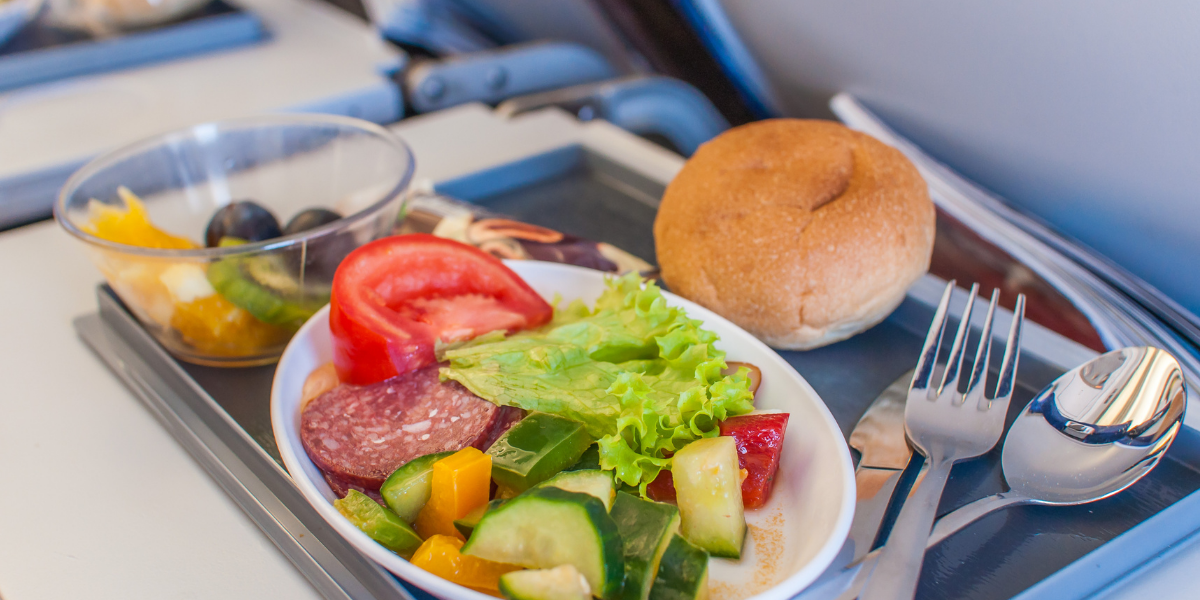
Can You Bring Food on an Airplane? TSA Rules and Packing Tips
Yes, you can bring food on an airplane in almost...
Can You Carry a Guitar on a Plane? TSA Rules
If you are wondering, "can you carry guitar on plane,"...
What Is a Redeye Flight? Meaning, Pros & Tips
If you are planning an upcoming trip across the country,...
Can You Leave the Airport During a Layover? Rules & Tips
A six hour layover can feel like wasted time when...

Largest Music Festivals in the US: Dates, Tickets & Travel Guide
Music festivals are no longer just weekend concerts where you...



About Us
Truairfare.com is an online search portal for flights tickets where you can find a variety of accommodations near you or at your preferred location.
Get in Touch
Disclaimer:- We are resellers of travel products and services, including hotels, flight deals, car rentals, vacation packages, and attractions. We are a travel company with an online portal partnered with travel consolidators and third-party travel providers. We are not directly or indirectly associated with any airline, hotel, resort, or accommodation. All prices quoted through us include all taxes and fees. The hotel search engine used is a third-party tool from Travelpayouts, which is simply used to provide information; we are not associated with any company, accommodation, or property available on it.
