
 844 744 6348
Can You Bring Vitamins on a Plane? TSA Rules Explained
June 11, 2026
Planning a trip involves a lot of packing logistics, from organizing your outfits to deciding which electronics to bring. If you have a daily wellness routine, one major question might cross your mind: can you bring vitamins on a plane?
The short answer is yes, you can absolutely bring your vitamins with you when you travel. The Transportation Security Administration (TSA) allows most vitamins and dietary supplements in both your carry-on luggage and your checked bags. However, the exact way you pack them depends entirely on the form they take.
Whether you take solid pills, chewy gummies, bulk powders, or liquid drops, the TSA has specific rules to ensure everyone stays safe in the skies. Knowing these guidelines in advance will help you breeze through the security line without any unexpected delays.
TSA Vitamin Regulations at a Glance
When it comes to traveling with your health essentials, the general TSA supplement rules are very accommodating. For most travelers, vitamins are easy to fly with as long as they are packed neatly and clearly.
| Vitamin Type | Carry-On Luggage | Checked Luggage | Special Security Instructions |
| Pills & Capsules | Allowed (Unlimited) | Allowed | No volume limits; stays inside your main bag. |
| Gummy Vitamins | Allowed (Unlimited) | Allowed | Treated as solids; exempt from the liquids rule. |
| Softgels | Allowed | Allowed | Pack clearly to avoid blocking the X-ray scanner. |
| Powdered Supplements | Allowed | Allowed | Tubs over 12 oz (350 ml) require extra screening. |
| Liquid Vitamins | Must be 3.4 oz or less | Allowed (Unlimited) | Must fit inside a single, quart-sized clear bag. |
Can Vitamins Go in Carry-On Bags?

For the vast majority of travelers, keeping your vitamins in carry-on bags is the smartest and most convenient choice. This is especially true for any daily-use vitamins that you cannot afford to miss.
Your carry-on baggage is the perfect place to store solid pills, capsules, softgels, and individual gummy vitamins. Many people also prefer to use small supplement packs that pre-separate their daily doses. Keeping these items with you ensures that your health routine remains uninterrupted, even if your flight experiences an unexpected delay on the tarmac.
To avoid any confusion at the security checkpoint, keep your vitamins organized. While it is not a strict law for domestic flights, keeping your vitamins in a labeled bottle or a clear pill organizer can prevent any unnecessary questions from airport security staff. If an officer can easily see what the substance is, your screening process will move much faster.
Can Vitamins Go in Checked Luggage?
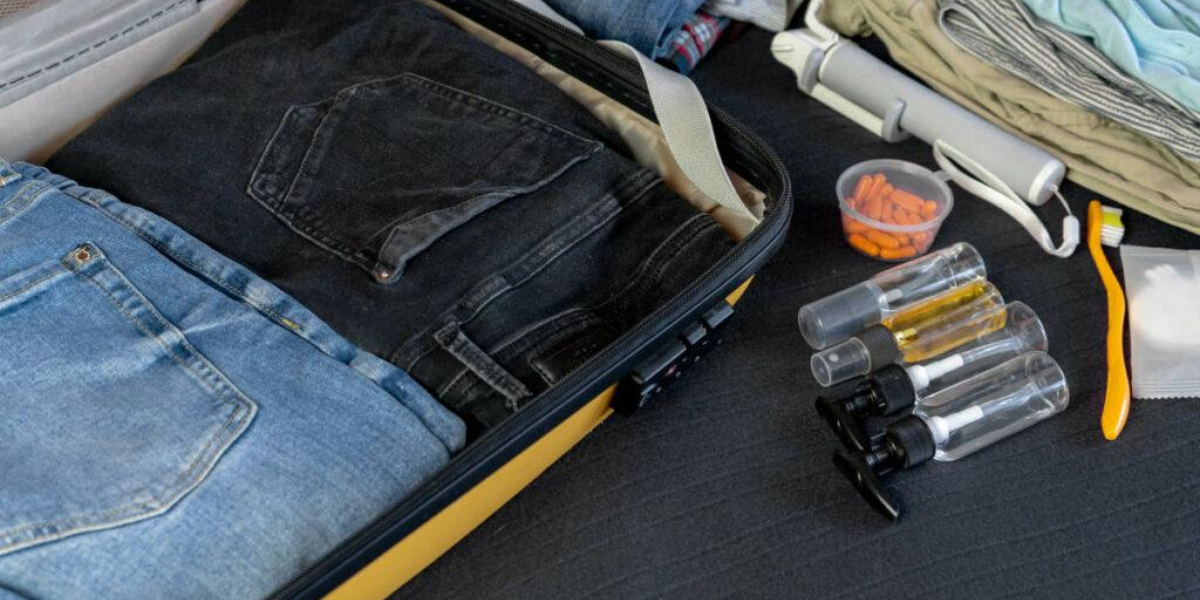
If you are going away for an extended vacation or moving to a new city, you might want to pack a large supply of health products. In these scenarios, placing your vitamins in checked luggage is an excellent option.
Checked baggage is perfectly suited for bulk containers, extra supply bottles, or backup supplements that you will not need during the actual flight. Storing large, heavy bottles in the cargo hold frees up valuable space and weight in your personal backpack or rolling carry-on.
However, you should avoid packing all your vitamins in checked luggage. Luggage can occasionally get misplaced, delayed, or sent to the wrong airport. If you are boarding flights to Miami or booking long-haul flights to New York, the last thing you want is to be separated from your essential daily routine. As a practical rule of thumb, always keep at least a few days’ supply of your vitamins in your carry-on bag, just in case your checked suitcase arrives later than you do.
Rules for Different Types of Vitamins

The physical form of your vitamins determines exactly how the TSA will evaluate them at the security checkpoint. Here is a breakdown of how to handle each specific type of supplement:
Pills and Capsules
Standard solid pills on plane journeys are the easiest items to travel with. They are completely allowed in both your carry-on and checked bags without any volume restrictions. You do not need to pull them out of your bag at the security line.
Gummies
Many travelers wonder: can you take vitamins on a plane if they are in candy form? Yes, gummy vitamins on plane trips are treated as solid items by airport security. You can freely pack them in both carry-on and checked bags without worrying about fluid limits.
Softgels
Liquid-filled capsules and softgels occupy a bit of a gray area because they contain oil or liquid inside a gelatin shell. The TSA usually allows them to pass in carry-on bags without treating them as liquids, but it is always smart to keep them packed clearly so they do not look ambiguous on the scanner.
Powdered Vitamins or Supplements
If you take protein powders, collagen, or powdered greens, you need to be aware of the powder supplements on plane rules. Powders are allowed in both carry-on and checked bags. However, if you have a large container holding more than 12 ounces or 350 milliliters, it may require extra screening.
The TSA officer may ask you to remove the powder container from your bag so they can test it for explosives. To make your life easier when catching flights to Denver or flights to Boston, consider packing large tubs of powder in your checked luggage.
Liquid Vitamins
Liquid vitamins on plane journeys are subject to the strictest regulations. The TSA applies its standard liquids rule to all liquid supplements, unless they qualify as medically necessary prescriptions.
This means that for carry-on luggage, your liquid vitamins must be in a container that is 3.4 ounces (100 ml) or less. Furthermore, all your travel-sized liquids must fit comfortably into a single, clear, quart-sized plastic bag. If you have a large bottle of liquid vitamins, it must be packed securely in your checked luggage to avoid being confiscated at the security line.
Do Vitamins Need to Be in Original Bottles?

One of the most frequent questions travelers ask is whether their vitamins must remain in their original, branded packaging. The simple answer for domestic flights is no. The TSA does not require regular, over-the-counter vitamins to be in their original bottles.
This means that using plastic pill organizers, small zip-top bags, or custom supplement dispensers is perfectly acceptable for domestic travel. It is a fantastic way to save space when you are packing for short flights to Orlando or quick business flights to Chicago.
Even though it is not a requirement, original packaging can make the screening process much easier if your bag happens to be selected for a random search. If a TSA officer sees a mystery bottle filled with miscellaneous pills, they might spend extra time trying to verify what they are. Having a clear commercial label removes all doubt. Furthermore, labels become highly important for international travel, where foreign customs agents may be much stricter than domestic TSA officers.
How to Pack Vitamins for Airport Security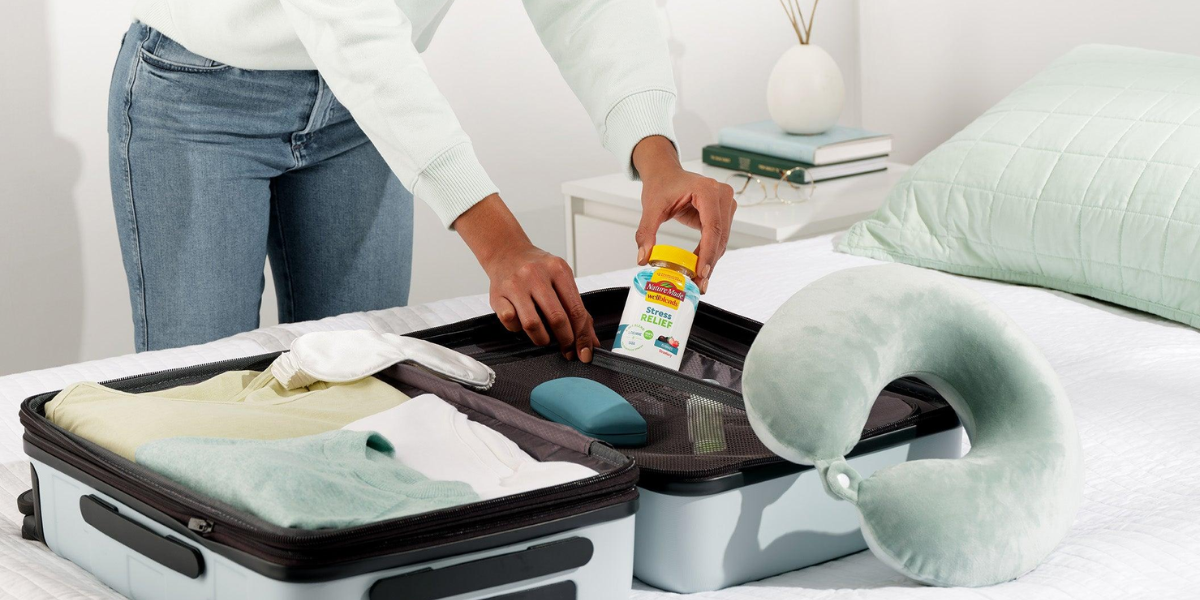
To ensure a stress-free experience when passing through airport security, a little organization goes a long way. Traveling with vitamins clearly can help you move through security faster and keep the line moving behind you.
-
Seal tight: Keep your main vitamin bottles sealed tightly so they do not spill during transit.
-
Organize doses: Use a clear, durable pill organizer for your daily doses to keep things neat.
-
Label when possible: Label loose pills or unique capsules if you are separating them into smaller bags.
-
Isolate liquids: Pack all liquid vitamins under 3.4 ounces inside your designated clear liquids bag.
-
Keep powders accessible: Place large containers of powder supplements near the top of your bag so they are easy to remove for screening if requested.
-
Prioritize hand luggage: Always carry your most important, expensive, or hard-to-replace vitamins in your hand luggage.
Can You Bring Vitamins on International Flights?
If you are jetting off on an international adventure, the rules change slightly. While TSA supplement rules govern your departure from a United States airport, your destination country will have its own specific customs and border protection rules.
When traveling internationally, it is highly recommended to keep all vitamins and supplements in their original, clearly labeled commercial packaging. Avoid carrying large quantities of unlabeled loose pills, as customs officers in foreign airports may view them with suspicion.
Additionally, you must check the specific supplement laws of your destination country before you depart. Some nations have strict bans on specific ingredients that are perfectly legal and common in the United States. For example, certain herbs, melatonin doses, or specific weight-loss supplements may be regulated as prescription medication or banned entirely in parts of Europe, Asia, or Australia.
Common Mistakes Travelers Make
Even experienced frequent flyers can make mistakes when traveling with supplements. Awareness of these pitfalls can save you from losing your expensive vitamins at the security gate on your upcoming flights to Las Vegas or flights to Atlanta:
-
Bringing oversized liquids: Trying to bring a large six-ounce bottle of liquid vitamins through the security line will result in it being thrown away.
-
Burying large powders: Placing a massive tub of protein powder at the bottom of your carry-on forces officers to search through everything.
-
Leaving essential doses behind: Putting all vitamins in checked luggage leaves you stranded if your bags are delayed on flights to Los Angeles or flights to Houston.
-
Carrying unlabelled mystery bags: Traveling with a giant ziplock bag filled with loose, multi-colored pills triggers a lengthier physical inspection.
Other Essential Travel Gear Rules
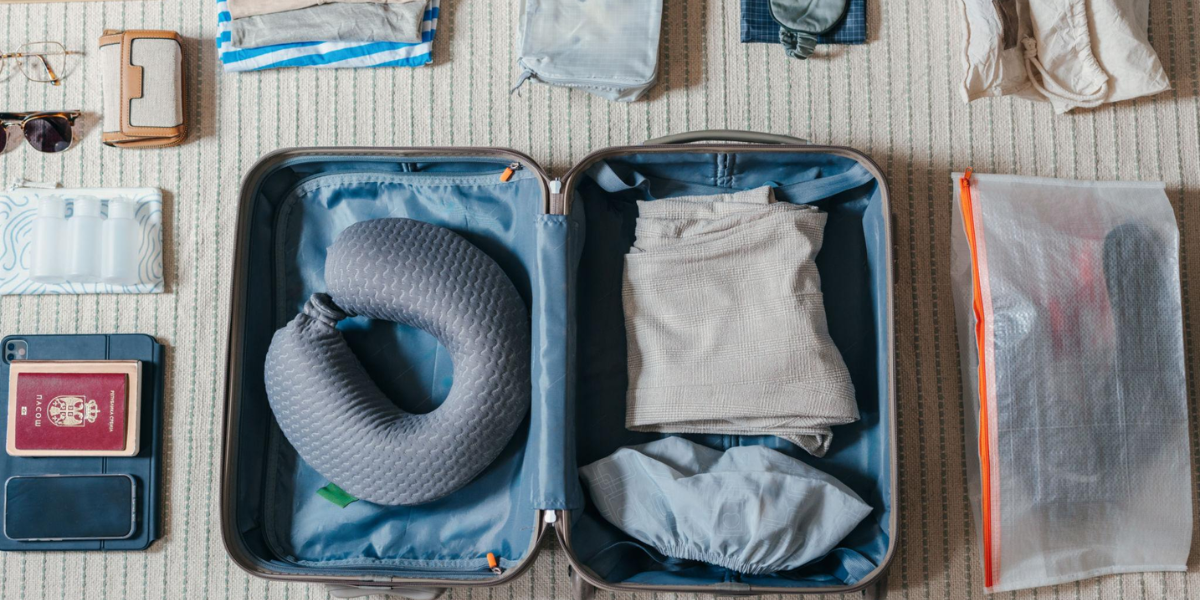
While organizing your health items, it is equally important to make sure your other essential travel gear complies with aviation safety standards. Many modern travelers pack specialized electronics, wellness gadgets, and daily medications alongside their vitamins.
For instance, if you carry medicine on plane trips, remember that prescription medications are treated with a high level of flexibility. Unlike standard liquid vitamins, the TSA allows larger quantities of medically necessary liquid medicines, pumps, and syringes through security, provided you declare them to the officers before screening begins.
Additionally, if you travel with electronic devices to track your health or charge your phone, you must know the rules for a power bank on a plane. Lithium-ion power banks and portable chargers are strictly forbidden in checked luggage due to fire risks. They must always be packed in your carry-on baggage, ensuring they remain in the pressurized cabin where flight crews can monitor them.
Quick Packing Checklist
Before you head out the door to catch your flights to San Diego, flights to San Francisco, or flights to Fort Lauderdale, run through this quick checklist:
-
[ ] Are all your solid pills and gummy vitamins safely tucked into your carry-on?
-
[ ] Are your liquid vitamins strictly under 3.4 ounces if they are staying in your carry-on?
-
[ ] Are your powder supplements under 12 ounces, or placed in an easy-to-reach spot for security screening?
-
[ ] Have you packed a few days of essential daily-use vitamins in your personal hand luggage?
-
[ ] If you are leaving the country, are your supplements kept in their original, clearly labeled bottles?
-
[ ] Are your portable electronics and power banks safely packed in your carry-on rather than your checked suitcase?
Conclusion
Traveling does not mean you have to abandon your health goals or disrupt your daily wellness routine. Yes, you can bring vitamins on a plane without any major issues. Pills, capsules, gummies, and most solid vitamins are completely allowed in both your carry-on and checked bags. You just need to stay mindful of the specific TSA liquid rules for liquid drops, and be prepared for potential extra screening if you carry large tubs of powdered supplements.
Whether you are boarding flights to Dallas, taking family flights to Nashville, heading out on business flights to Phoenix, or catching vacation flights to Tampa, keeping your items organized is the ultimate key to success. Before your next flight, pack your vitamins clearly, keep daily essentials in your carry-on, and check any international restrictions before traveling. By staying informed and packing smart, you can focus on enjoying your journey to beautiful destinations across California, knowing your health routine is fully protected.
Frequently Asked Questions
1. Can you bring vitamins on a plane?
Yes. The TSA allows vitamins in both carry-on and checked luggage. Solid vitamins like pills and tablets face no size or quantity restrictions for domestic travel.
2. Can I bring gummy vitamins on a plane?
Yes. Gummy vitamins are classified as solids by airport security. You can pack them freely in your carry-on luggage or your checked bags.
3. Can I bring liquid vitamins on a plane?
Yes, but they are subject to restrictions. If kept in your carry-on, liquid vitamins must be in containers of 3.4 ounces (100 ml) or less and fit into your quart-sized liquids bag. Larger quantities must go in checked luggage.
4. Do vitamins need to be in original bottles when flying?
Not for domestic flights. The TSA allows the use of pill organizers and plastic bags within the United States. However, keeping them in original bottles is highly recommended for international travel to pass through foreign customs easily.
5. Can I bring powder supplements on a plane?
Yes. Powder supplements are permitted in both carry-on and checked luggage. Note that powder containers larger than 12 ounces (350 ml) in carry-on bags may require additional security screening at the checkpoint.
6. Should I pack vitamins in carry-on or checked luggage?
Carry-on is highly recommended. Your carry-on bag is the best place for essential, daily-use vitamins so you have access to them at all times. Extra quantities, large powder tubs, and oversized liquid vitamins can go into your checked luggage.
Disclaimer: This content is for general travel information only and does not replace official TSA, airline, or customs guidance. Airport security rules and international supplement restrictions may vary based on individual circumstances and destination policies. Always check the official TSA website, your specific airline guidelines, and your destination country’s customs rules before traveling.
CALL US TOLL-FREE to get the best unpublished rate
Submit a request

Do I Need a Visa for a Layover? Transit Visa Rules Explained
Whether you need a visa for a layover depends on...
How to Add TSA PreCheck to American Airlines: Step-by-Step Guide
Getting approved for TSA PreCheck is a huge relief for...
Do You Need a REAL ID to Fly Domestically in 2026?
If you've booked a flight recently and someone mentioned "REAL...
Booking Two One-Way Tickets Instead of Round Trip: Is It Better?
When searching for flights, many travelers automatically choose a round-trip...

What Happens If You Miss Your Connecting Flight?
Missing a connecting flight can instantly turn an exciting journey...


About Us
Truairfare.com is an online search portal for flights tickets where you can find a variety of accommodations near you or at your preferred location.
Get in Touch
Disclaimer:- We are resellers of travel products and services, including hotels, flight deals, car rentals, vacation packages, and attractions. We are a travel company with an online portal partnered with travel consolidators and third-party travel providers. We are not directly or indirectly associated with any airline, hotel, resort, or accommodation. All prices quoted through us include all taxes and fees. The hotel search engine used is a third-party tool from Travelpayouts, which is simply used to provide information; we are not associated with any company, accommodation, or property available on it.
