
 844 744 6348
Airplane Myths Debunked: What Travelers Get Wrong About Flying
August 27, 2026
Every single day, millions of passengers pack their bags, clear security, and board commercial flights across the globe. Yet, despite how common air travel has become, endless misunderstandings continue to circulate in boarding lounges and online forums.
A large number of persistent airplane myths stem from dramatic Hollywood films, viral social media posts, or travel advice that expired decades ago. Believing these myths can cause unnecessary flight anxiety or lead to poor booking decisions that drain your wallet.
Whether you are getting ready for your first domestic flight or you fly international routes every month, separating aviation fiction from reality will make your journey smoother. Let us break down the most common misconceptions about flying and set the record straight.
Jump to a myth:
Myth 1: A Plane Door Can Be Opened During Flight
This scenario appears constantly in action movies: an unruly passenger reaches for the emergency exit handle, pulls it down, and opens the door mid-flight.
In the real world, this is physically impossible while the aircraft is at cruising altitude. Airplane cabins are pressurized so that passengers can breathe comfortably at thirty thousand feet. Most aircraft doors use a plug-door design where the interior cabin pressure pushes the door tightly against the frame of the fuselage. The pressure difference creates thousands of pounds of force holding the door shut. No human being has the physical strength to overcome that pressure.
Myth 2: Turbulence Can Make a Plane Crash
Turbulence is easily the number one cause of fear for nervous flyers. When the aircraft drops, shakes, or rattles, it can feel like the plane is falling out of the sky.
Turbulence is simply erratic air movement caused by weather fronts, jet streams, or thermal currents. Modern commercial aircraft are engineered to endure severe stress tests far beyond any normal turbulence encountered in the sky. Pilots receive advanced meteorological forecasts before departure and use radar to steer around dangerous storms. While it might spill your coffee, turbulence itself does not cause structural failure.
Staying securely buckled in your seat remains the best defense against unexpected bumps. For more on how airlines protect travelers, explore modern aviation safety standards.
Myth 3: The Cheapest Flight Is Always the Best Deal
Many budget-conscious travelers assume that picking the lowest base fare displayed on a search screen guarantees the best savings.
Basic economy fares frequently strip away essentials. Once you pay extra fees for carry-on luggage, checked bags, seat selection, and basic flight changes, that initial bargain can cost significantly more than a standard main cabin ticket. A slightly higher standard fare that includes a checked bag and seat selection usually provides far better overall value. Learning cheap flights secrets helps you calculate total costs accurately before you pay.
Myth 4: Flight Prices Increase Because Airlines Track Your Cookies
A common online belief suggests that searching for the same flight multiple times triggers algorithms to artificially inflate the ticket price based on your browser history.
Airlines do not alter individual prices because of your browser cookies. Airfare fluctuates constantly due to dynamic revenue management systems. These systems monitor seat inventory across specific fare buckets, general demand, seasonal travel trends, and competitor pricing in real time. If a price jumps while you are browsing, it is because another traveler bought the last ticket in that specific low-cost fare bucket. Understanding airline pricing models removes the guesswork from booking.
Myth 5: Airplane Mode Exists Because Phones Can Crash Planes
Passengers often worry that forgetting to switch their smartphone to airplane mode might interfere with flight controls and cause an accident.
Cellular signals do not bring down modern commercial aircraft. Airplane mode exists primarily to prevent cellular networks on the ground from getting overloaded by thousands of high-speed signals pinging towers at once. It also prevents minor buzzing interference in the headsets used by pilots and air traffic controllers. Aviation safety systems are heavily shielded, but following crew instructions keeps communication channels clear.
Myth 6: The Back of the Plane Is Always the Safest Seat
Various studies claim that sitting in the rear rows provides higher survival rates during rare emergency landings, leading people to believe the back is universally the safest spot.
Every incident is unique, and survivability depends on factors like impact angle, runway conditions, and speed. There is no universally guaranteed safest seat on an airliner. Front seats offer quieter flights and faster exits, wing seats experience the least turbulence, and exit rows provide extra legroom. You can learn more about finding your ideal balance of comfort by reading our guide on airline seat selection.
Myth 7: Airlines Lose Most Checked Bags
Many flyers live in terror that handing their suitcase over at the check-in counter means it will vanish forever.
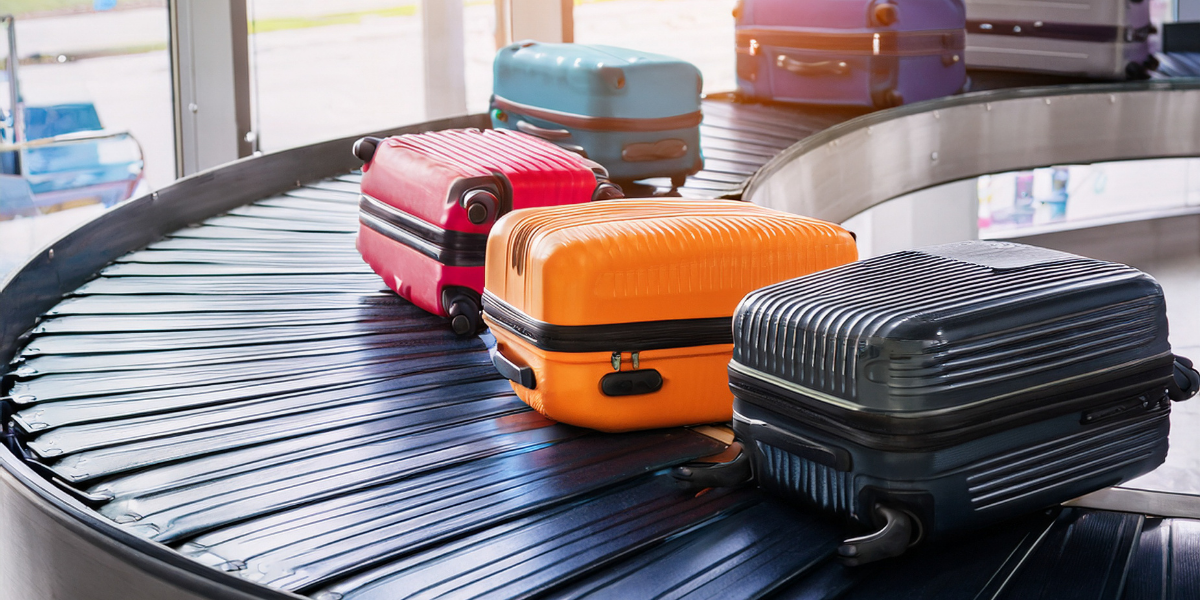
The vast majority of checked luggage arrives at the correct baggage carousel on time. Modern commercial airports utilize advanced barcode scanning, RFID tracking chips, and automated conveyor systems to follow your bag through the airport. When luggage problems do occur, the bags are usually just delayed on connecting flights rather than permanently lost. Understanding standard airline baggage policies ensures you know your allowances and options if a delay occurs.
Myth 8: Flights Always Travel in Straight Lines
Looking at a standard flat map makes people assume that the fastest route between two cities is a direct, straight line.
Because the Earth is a three-dimensional sphere, the shortest distance between two points over long distances is actually a curved Great Circle route. Furthermore, flight paths change daily based on jet streams, air traffic congestion, closed airspace, and weather systems. Read our breakdown on why planes don’t fly in straight lines to see how dispatchers optimize these flight corridors for speed and fuel savings.
Myth 9: Lightning Strikes Cause Airplanes to Crash
Watching a thunderstorm from a cabin window can be terrifying, especially if lightning flashes near the wing.
Commercial planes are struck by lightning regularly, averaging about once per year per aircraft. Airplanes are built with conductive aluminum or specialized copper mesh embedded in composite materials. This design creates a protective barrier that allows electrical current to travel along the outer skin and exit safely through static wicks on the wings and tail without damaging internal electronics.
Myth 10: Airline Food Is Prepared Dangerously
A persistent joke among travelers is that airline food is low quality, unsanitary, and prepared without proper health controls.
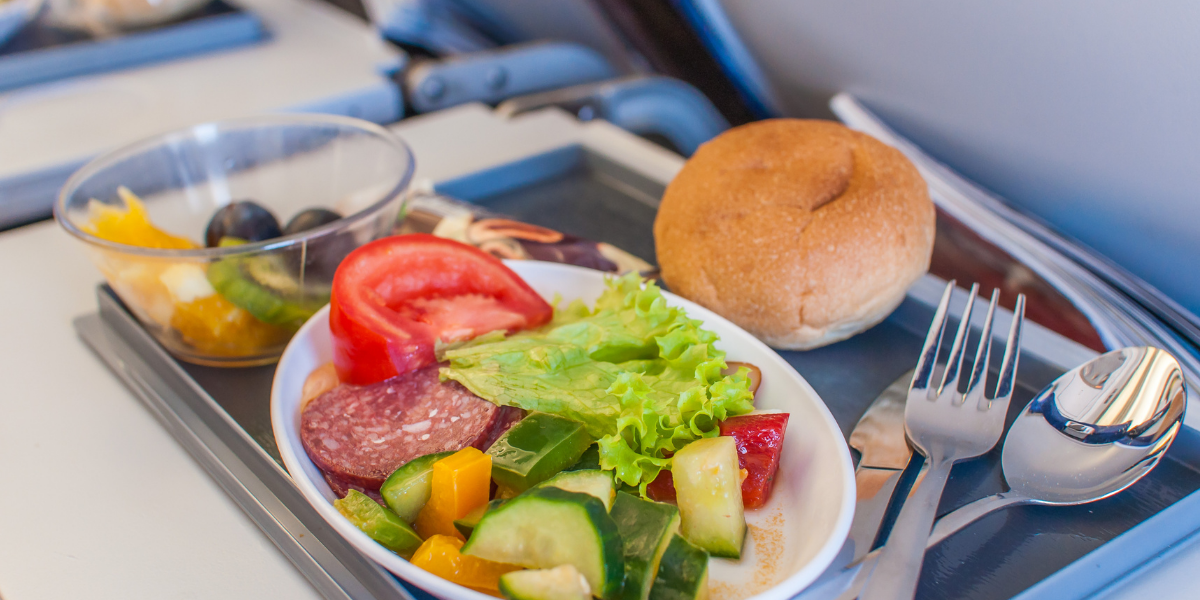
Aviation catering companies operate under strict food safety guidelines. Inflight meals are prepared in regulated commercial kitchens, rapidly chilled, transported in temperature-controlled trucks, and reheated properly onboard. The reason food tastes different at cruising altitude is because dry cabin air and low pressure reduce your taste bud sensitivity by up to thirty percent.
Myth 11: You Must Turn Off All Electronics Completely
Some passengers still believe that any electronic device left powered on will disrupt navigation equipment during takeoff and landing.
Aviation authorities updated these rules years ago. Small handheld devices such as e-readers, smartphones, and tablets can remain on throughout the entire flight as long as cellular transmission is disabled by enabling airplane mode. Larger electronics like laptops still need to be stowed during takeoff and landing purely to prevent heavy items from becoming loose projectiles during sudden braking.
Myth 12: More Expensive Tickets Guarantee a Flawless Flight
Paying top dollar for a flight does not immune you from unexpected travel headaches.
A high ticket price often reflects last-minute demand rather than premium service. Expensive tickets are subject to the same air traffic delays, mechanical checks, and weather disruptions as discounted tickets. When severe schedule disruptions occur, knowing your rights regarding delayed flight compensation will help you handle airline delays effectively regardless of your ticket class.
Myth 13: Dressing in Formal Clothes Gets You a Free Upgrade
An old travel myth claims that wearing a business suit and asking politely at the gate will land you a complimentary seat in first class.
Automated airline systems handle seat upgrades strictly by algorithm. Premium cabin seats are assigned based on elite frequent flyer status, corporate loyalty tiers, fare classes, or direct cash/mileage upgrade purchases. Gate agents must follow rigid computerized lists. If you want a better seat, check our detailed strategies on how to get upgraded to first class through legitimate methods.
Myth 14: You Must Book Tickets Only on Tuesdays
For years, travel blogs insisted that Tuesday at midnight was the golden hour to buy the cheapest flights.
This rule is completely outdated. Years ago, airlines manually loaded airfare updates into computer systems on Tuesday mornings. Today, pricing algorithms adjust seat costs continuously around the clock. The best airfare deals depend on route competition, seasonality, advance booking windows, and overall route demand, not the specific day of the week you search.
Myth 15: Driving Is Safer Than Commercial Flying
Due to a fear of losing control, many travelers feel safer driving long distances rather than boarding an airplane.
Statistically, commercial aviation is the safest mode of long-distance transportation in human history. Strict pilot training requirements, redundant aircraft safety systems, rigorous maintenance schedules, and global air traffic control networks make the risk of an aviation accident infinitesimally small compared to highway travel.
What Should Travelers Actually Know Before Flying?
To ensure a smooth journey without falling for common misconceptions, keep these essential flight habits in mind:
- Review baggage weight limits and size dimensions directly on your airline website before packing.
- Arrive at the airport with ample time to clear security without rushing.
- Use trusted comparison tools to verify base ticket prices and mandatory add-on fees.
- Keep essential prescription medications and valuable items in your personal carry-on bag.
Understanding the real mechanics of air travel dispels needless travel anxiety and helps you navigate airports with complete confidence. When you know how flights operate, you can make smarter booking choices and enjoy a relaxed trip from takeoff to landing.
Frequently Asked Questions
1. What are the biggest airplane myths?
The most widespread myths involve beliefs that airplane doors can open mid-flight, turbulence causes crashes, flight prices drop on specific days, and airlines lose most checked luggage.
2. Is turbulence dangerous for an aircraft?
No. Normal turbulence is an uncomfortable atmospheric condition, but commercial airliners are engineered to withstand structural loads far greater than typical air bumps.
3. Can an emergency door open while flying?
No. Cabin pressure creates an airtight seal that cannot be broken by human strength while the plane is pressurized at high altitudes.
4. Are flights always cheaper when booked on Tuesdays?
No. Dynamic pricing software updates airfare continuously based on seat supply and customer demand rather than a fixed weekday schedule.
5. Is the back of the airplane the safest place to sit?
No single seat location guarantees absolute safety. Safety outcomes depend on unique accident factors, though commercial aviation as a whole maintains exceptionally high safety records.
6. Do airlines lose most checked bags?
No. Over ninety-nine percent of checked baggage arrives safely and on time thanks to modern digital tracking and automated airport handling systems.
Ready to Book With Confidence?
Now that the myths are cleared up, compare real fares and book your next trip.
Compare Flights with TruAirfare →
Prefer to book by phone? Call TruAirfare 24/7 at (844) 744-6348
CALL US TOLL-FREE to get the best unpublished rate
Submit a request
Can You Change the Name on a Plane Ticket? Airline Name Correction Rules Explained
A small spelling mistake on a plane ticket can create...
Miami International Airport (MIA): Flight Information, Arrivals, Departures & Passenger Details
Miami International Airport is one of the busiest airports in...
Southwest Airlines Baggage Policy 2026: Updated Fees, Carry-On Rules & Free Bags
Southwest Airlines was known for decades as the one carrier...
Can You Put an Apple AirTag in Checked Luggage? TSA, Airline Rules & How to Track Your Bag
Lost luggage is one of the most stressful experiences for...

Airplane Myths Debunked: What Travelers Get Wrong About Flying
Every single day, millions of passengers pack their bags, clear...


About Us
Truairfare.com is an online search portal for flights tickets where you can find a variety of accommodations near you or at your preferred location.
Get in Touch
Disclaimer:- We are resellers of travel products and services, including hotels, flight deals, car rentals, vacation packages, and attractions. We are a travel company with an online portal partnered with travel consolidators and third-party travel providers. We are not directly or indirectly associated with any airline, hotel, resort, or accommodation. All prices quoted through us include all taxes and fees. The hotel search engine used is a third-party tool from Travelpayouts, which is simply used to provide information; we are not associated with any company, accommodation, or property available on it.
