
 844 744 6348
Do I Need a Visa for a Layover? Transit Visa Rules Explained
October 1, 2026
Whether you need a visa for a layover depends on your passport nationality, the country where you connect, your flight booking type, and whether you leave the airport transit area. Some travelers can connect without a visa if they remain airside, while others must obtain a transit visa before boarding their first flight.
A layover may only last a few hours, but visa rules can decide whether you can board your connecting flight. This comprehensive transit visa guide explains when a visa is required, when you can travel without one, and how to avoid costly airport surprises.
Jump to a section:
Quick Answer: Do You Need a Visa for a Layover?
You’ll likely need a visa if:
✅ You plan to exit the airport to explore the city or stay at an off-site hotel.
✅ You must change airports to catch your next flight.
✅ You have to collect baggage and recheck it for an onward journey.
✅ You booked separate tickets or a self-transfer flight.
✅ The transit country doesn’t permit airside transit without a visa for your passport nationality.
You generally won’t need one if:
✅ You stay entirely inside the sterile international transit lounge.
✅ Your connection qualifies under the transit country’s visa waiver or transit-without-visa program.
✅ Your flights are on a single ticket, and the airline checks your luggage through to your final destination.
What Is a Transit Visa?
A transit visa is an official travel authorization issued by a government that permits a foreign traveler to pass through its territory on the way to a third country.
Unlike a regular tourist visa, a transit visa is strictly limited in scope and duration. It is typically valid only for a window ranging from a few hours up to a few days. It does not permit long vacations, employment, or study. Its sole purpose is facilitating a brief pause between two legs of an international itinerary.
How Do Layover Visa Rules Work?
Immigration authorities evaluate several core factors before determining whether a transit visa is compulsory.
1. Passport Nationality
Visa agreements operate on reciprocity and bilateral state treaties. A Canadian passport holder connecting in Frankfurt might walk straight to their next gate, whereas a traveler from another country on the exact same flight might need a pre-issued Airport Transit Visa.
2. The Transit Country
Every nation enforces its own border control laws. The United States does not permit direct airside transit — every arriving international passenger passes through US border control and customs. The UK and Schengen nations maintain clear distinctions between remaining airside and passing through passport control, applying specific rules to specific nationalities.
3. Airport Situation
A straightforward transfer inside the same terminal rarely triggers border control. However, moving between unconnected terminals, exiting security, or moving between separate airports automatically places you onto domestic territory.
4. Flight Booking Type
A single itinerary keeps baggage checked through to the end, keeping you inside the secure transit zone. With separate tickets on separate booking references, you must clear immigration to collect your bags. Learn more about booking structures in our guide on what is a self transfer flight.
Do I Need a Visa If I Stay Inside the Airport?
Not always, but staying airside is not an automatic exemption.
Many international hubs across Europe and Asia provide secure international transit corridors. If you remain behind border gates without entering the host country, you frequently avoid visa requirements.
Do I Need a Visa If I Leave the Airport During a Layover?
Yes, in almost every scenario. Stepping past border control into the public arrivals hall means you are formally entering that country. If you want to grab lunch in town, visit landmarks, or sleep at a downtown hotel, you must hold an entry visa, an electronic authorization, or passport privileges that allow visa-free entry. Review the rules before leaving the terminal in our resource on leaving the airport during a layover.
Do You Need a Visa for a Connecting Flight on Separate Tickets?
Separate ticket bookings almost always require a visa. Consider this example: you fly from New York to London on Airline A, then fly from London to Paris on Airline B on two separate booking codes. Airline A will only tag your luggage to London.
Upon arrival, you must:
1. Pass through UK border control.
2. Retrieve your checked luggage from the baggage carousel.
3. Walk into the public departures hall.
4. Check in at the Airline B desk and drop your bags.
5. Clear security again to board.
Because you cross border control to retrieve your bags, you need legal authorization to enter the transit country.
Do You Need a Visa to Change Airports During a Layover?
Yes. If your incoming flight lands at London Heathrow and your connecting flight departs from London Gatwick, you must exit the airport, board ground transport, and travel through public roads. This journey puts you physically inside the nation. You must possess the appropriate entry clearance or landside transit visa to complete the transfer.
Transit Visa vs Regular Visa: Key Differences
| Transit Visa | Regular Visa |
|---|---|
| Short connection | Longer stay |
| Travel through country | Visit country |
| Limited purpose | Tourism/business/etc. |
- Stay Duration: A transit visa covers brief connections, typically lasting between a few hours and five days. A standard tourist visa permits visits lasting from 30 days to several months.
- Permitted Purpose: A transit visa only permits traveling directly through the country to an onward destination. A regular visa allows sightseeing, visiting family, leisure, and general tourism.
- Documentation Needed: Transit visas demand confirmed onward tickets and visas for the final destination. Tourist visas require hotel reservations, detailed itineraries, and evidence of sufficient personal funds.
- Application Costs: Transit visas are usually faster to process and carry significantly lower government fees than comprehensive visitor visas.
Country-Specific Layover Visa Rules
🇺🇸 United States Layover
The US does not offer visa-free airside transfers. Every traveler landing on US soil must hold either an approved ESTA under the Visa Waiver Program or a B1/B2 tourist visa or C-1 transit visa, regardless of connection duration.
🇬🇧 United Kingdom Layover
The UK applies two transit categories: Airside (Direct Airside Transit Visa) and Landside (Visitor in Transit Visa). Requirements depend strictly on your nationality and whether you hold exempting documents such as a valid US, Canadian, or Schengen visa.
🇨🇦 Canada Layover
Travelers transiting through Canadian airports must hold either a valid transit visa or an Electronic Travel Authorization (eTA), unless they qualify under the US-Canada Transit Without Visa program.
🇪🇺 Schengen Area Layover
Most travelers can connect between non-Schengen destinations without a visa if they stay in the international transit area. However, citizens of select countries must secure an Airport Transit Visa (Type A). Transferring between two Schengen airports counts as entering the zone, requiring a regular Schengen Short-Stay Visa (Type C).
What Happens If You Don’t Have a Required Transit Visa?
If you lack the required transit visa, the airline check-in system will flag your reservation. Airlines face heavy government fines for transporting undocumented passengers, so staff will deny boarding at your initial departure gate. You risk losing the cost of your ticket, purchasing expensive last-minute rerouting flights, and forfeiting prepaid accommodation.
How to Check If You Need a Visa Before Your Flight
1. Map Your Complete Route: Note every intermediate stop, including technical refueling stops and multi-city connections.
2. Review Official Immigration Portals: Consult official government and embassy websites for each transit country.
3. Verify Ticket Structure: Check whether your trip is issued as a single ticket with automatic baggage transfers or as multiple bookings. Review our guides on carry-on vs personal item and airline baggage policies to avoid surprise bag drops.
4. Prepare for Delays: Know your rights by checking what happens if you miss your connecting flight and understanding flight delay compensation.
Common Layover Visa Mistakes Travelers Make
- Believing Brief Stops Do Not Count: Assuming that a short two-hour layover is automatically exempt from immigration control.
- Ignoring Self-Transfer Cautions: Failing to realize that low-cost flight aggregator connections often require baggage collection and border crossing.
- Confusing Airport Terminals with Separate Airports: Booking transfers between distinct regional airports without factoring in entry clearance.
- Relying Exclusively on Airline Booking Desks: Assuming airline booking websites automatically filter out itineraries for which you lack transit visas.
Tips for a Smooth International Layover
- Allow Generous Connection Windows: Aim for at least three to four hours for international connections involving security or terminal transfers.
- Keep Travel Documents Handily Available: Store boarding passes, onward visas, hotel vouchers, and passport copies together in your cabin bag. Review TSA carry-on rules to pass security screening smoothly.
- Avoid Tight Self-Transfer Windows: Only select single-ticket bookings when traveling with visas that restrict entry.
Frequently Asked Questions
1. Do I need a visa for a layover?
It depends on your passport nationality, the transit country’s entry laws, your booking structure, and whether you cross border control.
2. Do I need a transit visa if I do not leave the airport?
Certain countries permit visa-free transit within secure airside zones, while countries like the US require border clearance for all transiting passengers.
3. Do I need a visa for a connecting flight?
Yes, if the transit nation mandates airport transit visas for your nationality or if your connection involves changing terminals or collecting baggage.
4. Do separate tickets require a transit visa?
Separate tickets usually require a transit or entry visa because you must clear customs and immigration to retrieve and recheck your baggage.
5. How long can a layover be without a visa?
Allowable airside transit periods range from 8 to 24 hours depending on the nation and airport operating hours, provided the traveler stays within the international terminal.
Planning an International Connection?
Compare flights and book routes with connection times that actually work for your trip.
Compare Flights with TruAirfare →
Prefer to book by phone? Call TruAirfare 24/7 at (844) 744-6348
CALL US TOLL-FREE to get the best unpublished rate
Submit a request

Do I Need a Visa for a Layover? Transit Visa Rules Explained
Whether you need a visa for a layover depends on...
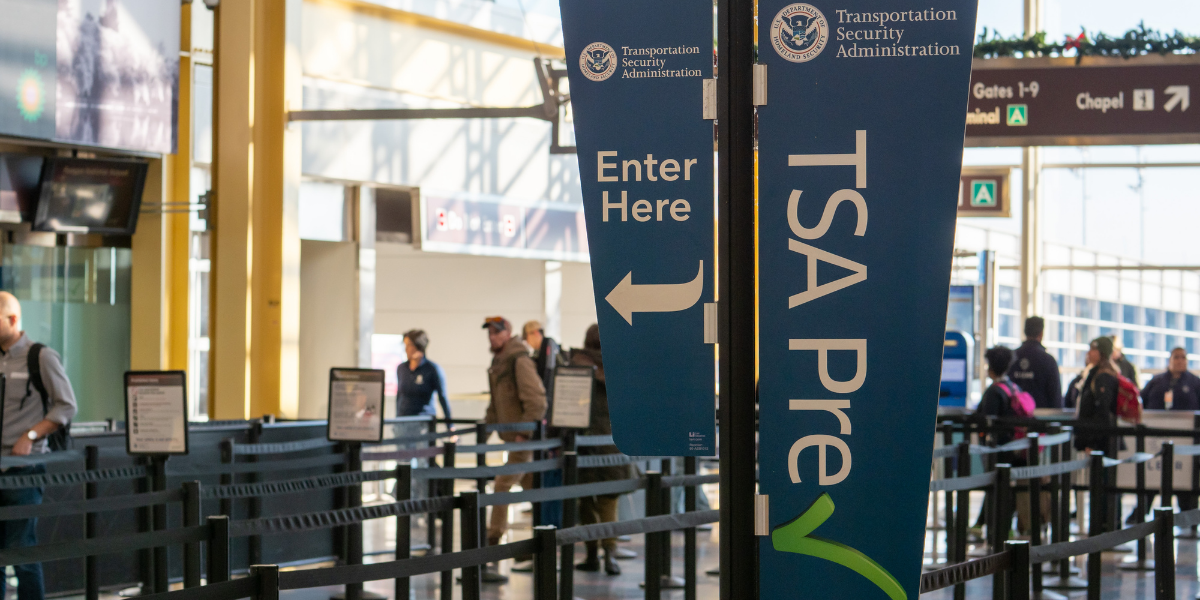
How to Add TSA PreCheck to American Airlines: Step-by-Step Guide
Getting approved for TSA PreCheck is a huge relief for...

Do You Need a REAL ID to Fly Domestically in 2026?
If you've booked a flight recently and someone mentioned "REAL...

Booking Two One-Way Tickets Instead of Round Trip: Is It Better?
When searching for flights, many travelers automatically choose a round-trip...

What Happens If You Miss Your Connecting Flight?
Missing a connecting flight can instantly turn an exciting journey...



About Us
Truairfare.com is an online search portal for flights tickets where you can find a variety of accommodations near you or at your preferred location.
Get in Touch
Disclaimer:- We are resellers of travel products and services, including hotels, flight deals, car rentals, vacation packages, and attractions. We are a travel company with an online portal partnered with travel consolidators and third-party travel providers. We are not directly or indirectly associated with any airline, hotel, resort, or accommodation. All prices quoted through us include all taxes and fees. The hotel search engine used is a third-party tool from Travelpayouts, which is simply used to provide information; we are not associated with any company, accommodation, or property available on it.
