
 844 744 6348
Airline Seat Selection | Guide to Choosing the Best Seat
March 25, 2026
Introduction
Think of an airplane cabin the way you think of real estate in a big city. The penthouses go fast. The middle units nobody wants sit empty until the last minute. And the landlord in this case, the airline’s pricing algorithm never sleeps, never negotiates, and never feels bad about charging you more.
Picking a seat on a flight used to be simple. You called the airline, said “window please,” and that was that. Today, airlines have sliced every single row into micro-tiers. There are standard seats, preferred seats, extra-legroom seats, premium economy seats, basic economy seats where you get no seat at all, and about a dozen other categories in between. Every tier has a price tag. Every price tag changes by the hour.
“In modern aviation, an airplane cabin is priced exactly like real estate. Location is everything, and the airline’s pricing algorithm is an uncompromising landlord.”
This guide is your complete playbook. Whether you are flying solo, traveling with kids, or trying to figure out why that “$59 fare” turned into a $200 purchase by checkout you are in the right place. Let’s break it all down.
Phase 1: Decoding the Seat Map What the Types of Seats Actually Mean
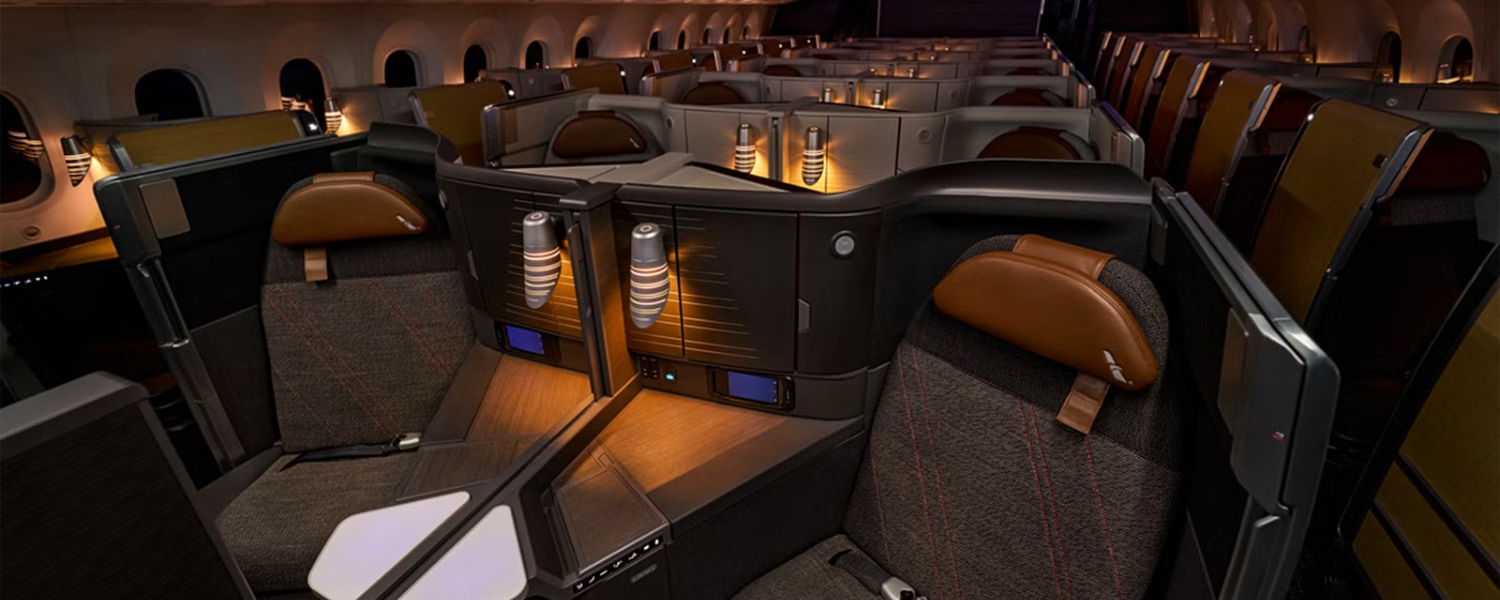
Before you can beat the system, you need to understand what you are looking at when that color-coded seat map pops up on your screen.
Standard Seats (Window, Middle, Aisle) The window seat gives you a view and a wall to lean on. The aisle gives you legroom freedom and easy bathroom access. The middle seat gives you nothing except the armrests on both sides if you are bold enough to claim them. Airlines know nobody wants the middle seat, which is why it is almost always the last one to go. On full flights, it fills itself.
Extra Legroom vs. Premium Economy These two sound similar but are very different products. Extra legroom seats often called “Main Cabin Extra” on American or “Economy Plus” on United give you 3 to 6 extra inches of pitch (the space between your seat and the one in front). Premium Economy is an actual cabin upgrade with wider seats, better meal service, and more recline. The price gap between them is significant. Know which one you are actually buying.
Exit Row and Bulkhead Seats Exit rows have the most legroom on the plane, but they come with restrictions most passengers miss. You cannot store anything under the seat in front of you because there is no seat in front of you. You must be physically capable of operating the emergency exit. Children, pregnant passengers, and passengers with certain disabilities cannot legally sit there. Bulkhead seats (the front row of a cabin) have similar storage limitations. Read the fine print before you pay extra for these.
Phase 2: The Basic Economy Trap and Seat Selection Fees
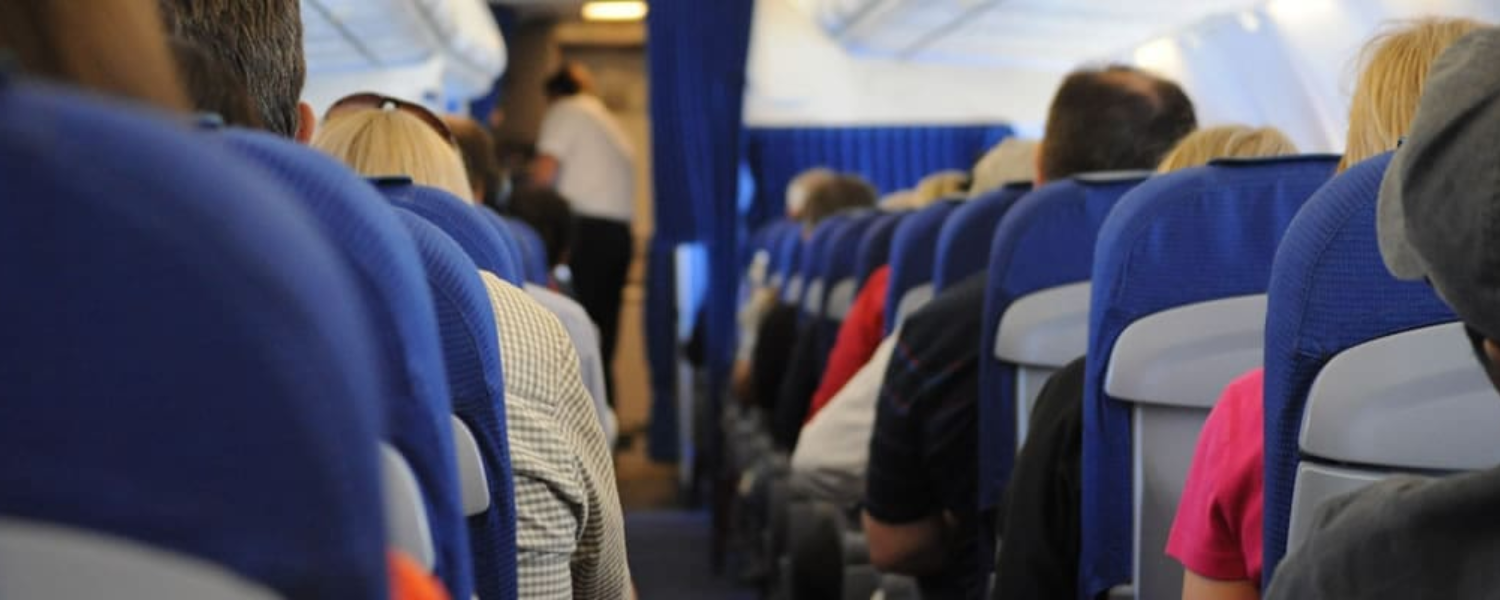
Here is where most travelers get burned.
Basic Economy fares are the cheapest ticket category offered by the major airlines. They look incredible on a comparison site. But what the headline price hides is that Basic Economy actively removes your right to choose your own seat. You get assigned a random seat often a middle seat at check-in. You have no say in it.
The airline’s solution? Pay a seat selection fee. On most major carriers, that fee runs between $10 and $75 per seat, each way, depending on the route and how desirable the seat is. On a round trip for two people, that can add $120 to $300 to a ticket you chose specifically because it was cheap.
The math that nobody shows you: A Basic Economy fare at $149 plus two $40 seat fees each way equals $149 + $160 = $309. A standard Main Cabin ticket on the same flight that already includes seat selection? Often $179 to $199. You paid more for less flexibility and more stress. That is the Basic Economy trap in a single equation.
The rule of thumb is straightforward: if you care where you sit and most people do skip Basic Economy entirely unless you are a solo traveler who genuinely does not mind a random middle seat assignment.
Phase 3: The U.S. Airline Seating Guide How Specific Carriers Handle It
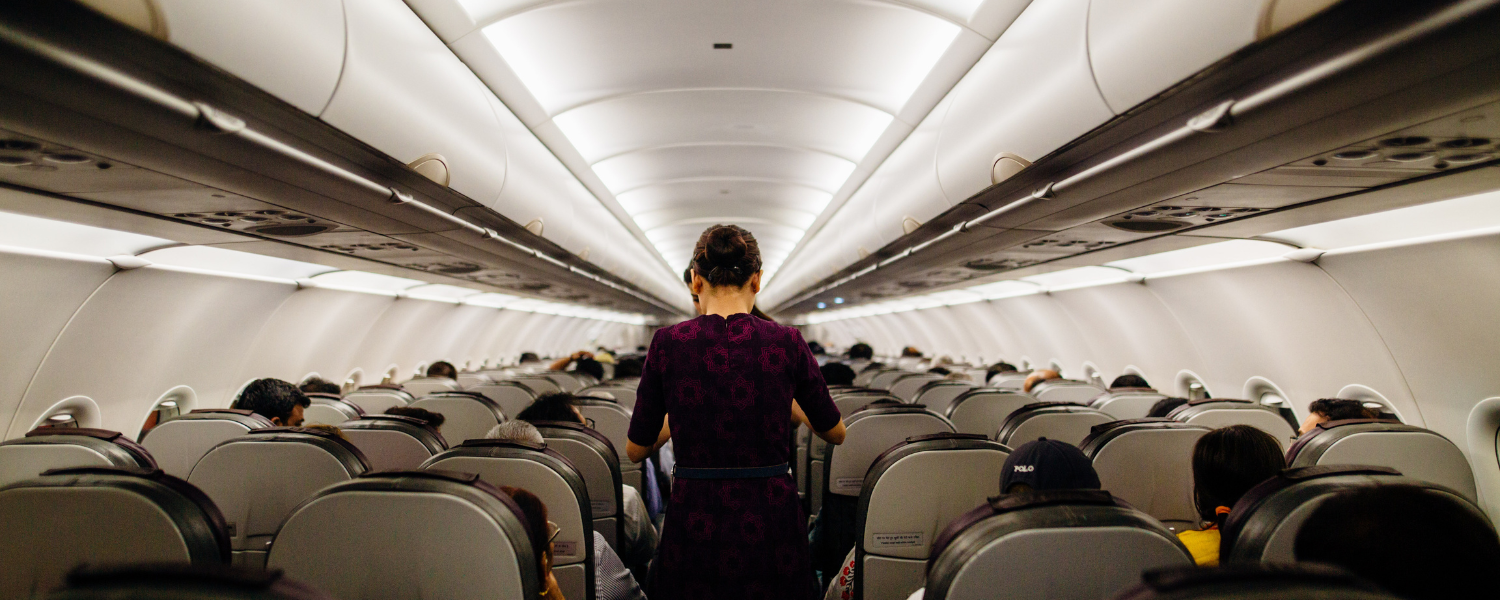
Delta, United, and American Airlines
The Big Three use essentially the same playbook. They split their main cabin into multiple fee tiers:
Preferred Seats are standard seats no extra legroom located closer to the front of the plane. Airlines charge $15 to $50 for these. The only benefit is deplaning a few minutes faster. If you are a corporate traveler booking flights to Boston from New York, paying $35 for a Preferred Seat just to walk off the plane five minutes ahead of everyone else is one of the most common and easily avoidable traps in business travel.
Main Cabin Extra / Economy Plus seats give you actual physical space more legroom, often a guaranteed empty middle seat on some carriers. These are worth considering on long-haul domestic flights over four hours. On short hops, skip them.
Delta’s delta airlines seat selection system also “holds” desirable seats for elite status members until 24 hours before departure, when they are released to the general public for free. More on that timing window in a moment.
Southwest Airlines The Outlier
Southwest does not assign seats at all. Their southwest seat selection system works on open boarding groups A, B, and C determined by when you check in. Whoever boards first picks any seat they want.
The entire game on Southwest is securing an “A” boarding group. You do that by checking in exactly 24 hours before your flight, to the minute. Southwest’s app lets you set this up in advance. If you are booking a family vacation on Southwest say, flights from Columbus to Orlando your best move is to check in the second the 24-hour window opens so your family can claim a full row together. If you miss that window and land in a “C” boarding group, you are splitting up.
Southwest also sells “Early Bird Check-In” for around $15 to $25 per person, which automatically checks you in before the general public. For families who cannot guarantee they will be at their phones exactly 24 hours out, it is usually worth the small fee. Southwest Business Select seats come with an A1-A15 boarding position, which is as close to guaranteed front-of-the-plane seating as Southwest offers.
Spirit and Frontier Airlines The Ultra-Low-Cost Reality
On Spirit and Frontier, every seat costs money. There is no free seat assignment, no “at least I can pick my own middle seat” option. You pay for a seat or you get assigned a random one at check-in.
When you are searching for cheap flights to Vegas or cheap flights to Miami on Spirit, the $29 base fare does not include anything except your body on the plane. A standard seat upgrade runs $12 to $25. But here is the insider hack: Spirit’s “Big Front Seat” their version of a first-class-style wider seat up front often costs only $25 to $50 more than a standard upgrade. That is a domestic business-class experience for the price of a lunch. On a three-hour flight, it is one of the best value plays in budget travel.
Phase 4: The Golden Rules of Timing When to Pick Your Seat
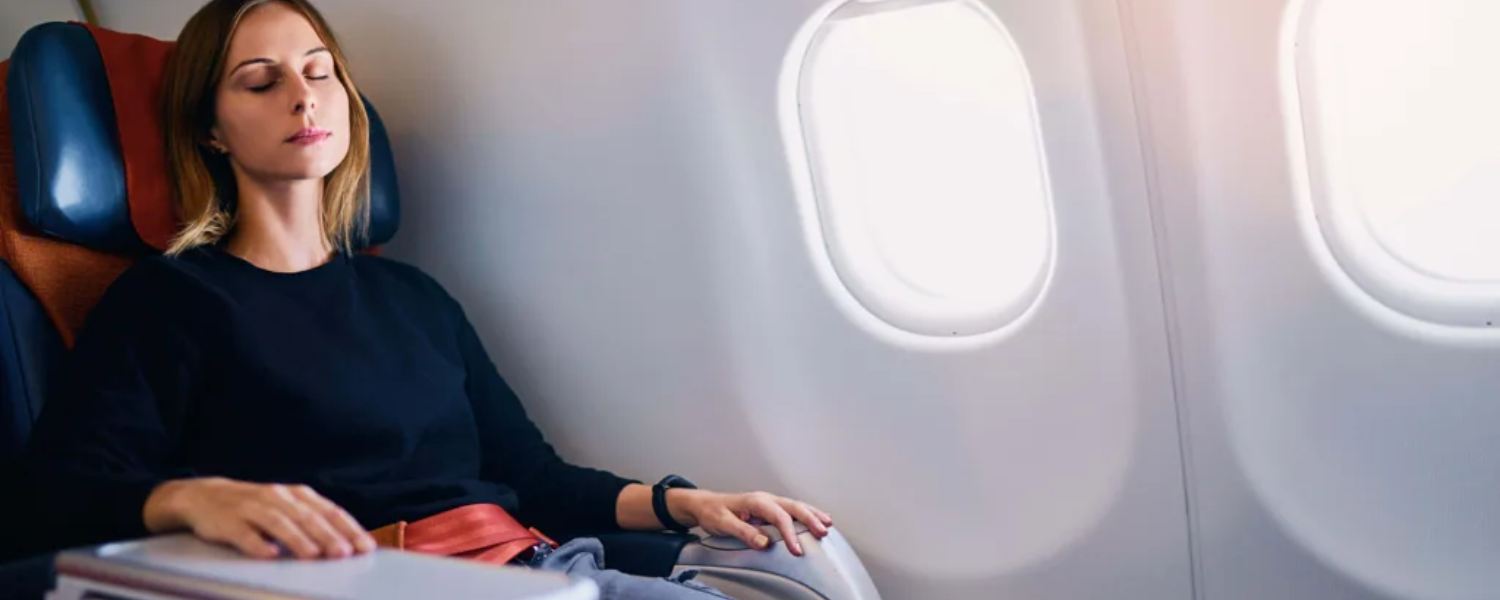
Seat availability and pricing are not static. They move on a schedule, and if you know the schedule, you can work it.
Window 1 At Booking: This is the safest play. You have the widest selection of available seats, and on most airlines, the lowest seat upgrade fees. If traveling with others and sitting together matters, book your seats the moment you confirm your ticket.
Window 2 The 24-Hour Release: Airlines routinely hold back a block of desirable seats extra legroom rows, bulkhead seats, exit rows for elite status members. If those members do not claim them, the algorithm releases them to the general public approximately 24 hours before departure, often at no charge. Check your seat map at the 24-hour mark. You may find a much better seat available for free.
Window 3 The Gate Agent Request: This is the most underused tool in the average traveler’s kit. Gate agents have full visibility into the aircraft and the authority to reassign seats. Approach them politely never demandingly 45 minutes before boarding and explain your situation. Traveling with a child, a medical need, or simply looking for a better option. A calm, polite ask works more often than people expect. A rude demand never does.
Phase 5: Tools, Tricks, and Special Cases
Use SeatGuru or Aerolopa before you pay for any seat. These sites map out the exact seat configuration of specific aircraft, flagging which window seats have no window, which exit rows have non-reclining seats, and which rows are directly next to the lavatory. A seat labeled “extra legroom” on the airline’s map might be SeatGuru’s most complained-about seat on the plane.
Families with Children: The Department of Transportation has been pressuring airlines to seat children next to accompanying adults at no additional charge. Most major carriers now have policies in place, but they are not always enforced at the booking stage. Do not rely on the policy. Select seats at booking or call the airline directly. On Basic Economy fares especially, do not assume the system will handle it.
Passengers with Accessibility Needs: Call the airline directly after booking do not use the app or website. Airlines are required by law to accommodate passengers with disabilities, including reserving bulkhead or aisle seats. A phone call ensures it is flagged in your reservation and does not get lost in the algorithm.
Phase 6: Practical Survival Tips for Any Seat
Even the worst seat on a plane becomes manageable with the right gear.
A compact inflatable lumbar pillow costs under $20 and eliminates most of the back pain associated with economy seating. Noise-canceling headphones are not a luxury item they actively reduce fatigue on long flights by cutting engine noise, which runs at a continuous 85 decibels. Dress in layers. Cabin temperature swings 15 to 20 degrees during a flight and is controlled by a crew member who may or may not share your internal thermostat settings.
FAQ
Q: Can I change my seat after I’ve booked?
Yes, in most cases. Log into your booking and navigate to seat selection. Fees may apply depending on your fare class and how close you are to departure. On Basic Economy tickets, changes may not be allowed at all.
Q: Will the airline seat my family together for free?
Policies vary by carrier. Most major airlines have some version of a family seating policy, but enforcement is inconsistent, especially on Basic Economy fares. Select your seats at booking rather than trusting the system to sort it out at the gate.
Q: When is the best time to choose a seat?
At booking if you want the most options. At the 24-hour mark before departure if you want a shot at premium seats that were held back for elite members and are now being released free of charge.
Q: Do loyalty status and airline credit cards help?
Significantly. Elite status on any of the major carriers acts like an override code it unlocks complimentary upgrades to preferred and extra-legroom seats that regular passengers pay for. Co-branded airline credit cards often provide similar benefits, including free seat selection for the cardholder and companions on the same booking.
Conclusion
Smart airline seat selection is not about gaming the system. It is about understanding how the system actually works so you are not paying $40 for a seat that should have been free, or ending up in a random middle row when a little timing knowledge could have put you in a premium seat at no cost.
Know your fare class. Know your airline. Know your windows.
And if you would rather not spend 45 minutes decoding seat maps and fee structures every time you book a flight you do not have to.
Stop fighting airline seat maps and algorithmic fees.
Let our expert flight concierges secure your exact seat preferences and keep your family together at wholesale rates.
Call TruAirfare at +1-844-744-6348 or book flights online today.
Disclaimer: The information, seat selection fees, and pricing examples provided in this guide are based on industry averages and trends as of 2026. Because airline algorithms, dynamic pricing models, and fare rules fluctuate rapidly, specific seat prices and availability will change. This article is for general informational purposes only and does not reflect real-time pricing. Always verify current fare rules directly with the airline or consult a TruAirfare travel agent before booking your trip.
CALL US TOLL-FREE to get the best unpublished rate
Submit a request

Do I Need a Visa for a Layover? Transit Visa Rules Explained
Whether you need a visa for a layover depends on...
How to Add TSA PreCheck to American Airlines: Step-by-Step Guide
Getting approved for TSA PreCheck is a huge relief for...
Do You Need a REAL ID to Fly Domestically in 2026?
If you've booked a flight recently and someone mentioned "REAL...
Booking Two One-Way Tickets Instead of Round Trip: Is It Better?
When searching for flights, many travelers automatically choose a round-trip...
What Happens If You Miss Your Connecting Flight?
Missing a connecting flight can instantly turn an exciting journey...


About Us
Truairfare.com is an online search portal for flights tickets where you can find a variety of accommodations near you or at your preferred location.
Get in Touch
Disclaimer:- We are resellers of travel products and services, including hotels, flight deals, car rentals, vacation packages, and attractions. We are a travel company with an online portal partnered with travel consolidators and third-party travel providers. We are not directly or indirectly associated with any airline, hotel, resort, or accommodation. All prices quoted through us include all taxes and fees. The hotel search engine used is a third-party tool from Travelpayouts, which is simply used to provide information; we are not associated with any company, accommodation, or property available on it.
