
 844 744 6348
When is the Best Time to Book a Flight in 2026?
February 3, 2026
We have all felt that specific type of anxiety. You are sitting at your computer, staring at a flight price for a family vacation or a critical business trip. You hover over the “Buy” button, but a nagging voice in your head asks: “Will this be cheaper tomorrow? Or will it double in price if I wait an hour?”
In 2026, booking airfare feels less like planning a trip and more like day-trading on the stock market. With airlines utilizing sophisticated AI-driven dynamic pricing models that adjust fares by the minute based on demand, user behavior, and even your IP address, the old rules of travel simply don’t apply anymore.
So, when is the actual best time to book a flight? Is it Tuesday at midnight? Is it six months out? Or should you wait for a last-minute drop?
We analyzed the booking data for 2026 to help you stop guessing. Whether you are planning a massive international tour or a quick domestic hop, this is your definitive guide to the “Goldilocks Window” not too early, not too late, but just right.
The “Goldilocks Window”: Why Timing is Everything
One of the biggest misconceptions in travel is that “earlier is always better.” While this sounds logical, airline pricing curves are U-shaped. Prices start high when the schedule opens (about 11 months out), drop to their lowest point in the “Goldilocks Window,” and then skyrocket in the final 21 days before departure.
If you book too early, you are paying a premium for the “peace of mind” of having a ticket. If you book too late, you are paying for your desperation. Here is where the sweet spot lies in 2026.
Domestic Flights (USA)
For flights within the United States, the booking window has shifted slightly this year due to higher carrier capacity.
- The Window: 28 to 60 days in advance.
- The “Perfect” Day: Data indicates that on average, the absolute lowest price for a domestic economy ticket appears roughly 38 days before departure.
- The Strategy: Start monitoring prices about three months out. If you see a dip around the 6-week mark, lock it in.
- The Danger Zone: Waiting until you are inside the 21-day window (3 weeks out) is financially dangerous. Airlines know that travelers booking this close to the date are usually business travelers with rigid schedules, so their algorithms automatically hike fares by 30-40% at this mark.
International Flights (Europe, Asia, & Beyond)
Crossing an ocean requires a completely different strategy. The “last minute” international deals of the past are virtually extinct in 2026 due to high global demand.
- The Window: 3 to 8 months in advance.
- Regional Specifics:
- Europe: The sweet spot is roughly 4 to 7 months before travel. If you are planning a summer trip to Paris or Rome, you should ideally be booking in January or February.
- Asia: Due to the longer flight times and fewer carriers, the window is earlier 5 to 9 months out.
- Mexico & Caribbean: This is closer to the domestic model, with the best prices often found 1 to 3 months prior.
- The Risk: If you wait until you are 60 days out from a trip to London or Tokyo, you have likely missed the cheapest economy seats. At this point, you are often left with “Basic Economy” fares that exclude bags, or expensive “Flex” fares you don’t need.
The “Tuesday Myth” vs. Reality
You have probably heard the age-old advice: “Buy your tickets on Tuesday at midnight to get the cheapest price.”
In 2026, this is largely a myth.
Years ago, airline pricing managers would manually load new fares early in the week. Today, computers do the work in real-time. A study of 2026 pricing trends shows that the specific day of the week you book your ticket saves you an average of less than $2. It’s statistically insignificant.
The Real Secret: The Day You Fly
While the day you buy doesn’t matter, the day you fly matters immensely.
- The Mid-Week Rule: Flying on a Tuesday or Wednesday is almost always cheaper than flying on a Friday or Sunday.
- The Savings: Shifting your vacation dates to leave on a Wednesday instead of a Friday can save you an average of 13% to 17% per ticket. For a family of four, that could be a savings of over $500 just by changing the calendar.
- Why? Business travelers dominate Monday mornings and Friday afternoons. Leisure travelers dominate Sunday evenings. Tuesday and Wednesday are the “dead zones” where planes are emptier, and algorithms drop prices to fill seats.
The Dynamic Pricing Trap (And How to Beat It)
To truly get the best deal, you have to understand who you are playing against. You aren’t negotiating with a human; you are negotiating with an algorithm.
How Airline Algorithms Work in 2026
Airlines use “Yield Management” software. This software has one goal: maximize revenue per seat. It tracks search volume for specific routes. If 1,000 people suddenly search for New York to Miami flights for Thanksgiving weekend, the algorithm detects a “demand surge” and automatically raises the price even if the plane is empty.
The “Incognito Mode” Debate
Does searching in “Incognito” or “Private” mode actually help?
- The Verdict: Mostly False. Airlines track demand by route volume, not just your individual cookies. However, clearing your cache can sometimes reset a specific session if the website is stuck showing you an old, higher price. It doesn’t hurt to try, but don’t rely on it as your primary strategy.
Business Class & Premium Economy: A Different Game
If you are hunting for cheap business class flights, the economy rules do not apply. Business class travelers usually book late (companies paying for last-minute trips), so airlines hold those seats at high prices until they are sure no corporate client is coming.
- The “Unsold” Release: Airlines often release unsold premium cabin seats at discounted rates roughly 45 to 60 days before departure.
- The Upgrade Strategy: Sometimes it is cheaper to buy a Premium Economy ticket and then bid for an upgrade than to buy Business Class Flights.
- The “Hidden” Inventory: This is the most important secret in luxury travel. A massive percentage of discounted Business Class inventory is never published on Google Flights or Expedia. It is sold through “consolidators” wholesale channels accessible only to travel agencies.
The “Human Advantage”: Why You Should Call a Travel Desk
This brings us to the most effective flight booking hack of 2026: Picking up the phone.
In an era of AI and automation, human relationships have become the ultimate luxury. Here is why savvy travelers are going back to travel agents.
1. Consolidator Fares Explained
Airlines sell tickets in bulk to travel agencies at wholesale prices, known as “consolidator fares.” These contracts often come with strict rules: the agency cannot publish the price publicly on a website. They can only offer it to a client directly (via phone or email).
- The Result: You might see a flight for $1,200 online, but an agent can see the same seat for $850 in their private GDS (Global Distribution System).
2. Emergency & Last-Minute Bookings
Life doesn’t always follow a 60-day schedule. Maybe a client needs you in London tomorrow, or a family emergency requires a same-day flight.
If you search online 24 hours before departure, you will see the highest possible “panic prices.” The algorithm knows you are desperate.
This is where we come in.
When the algorithms spike the prices, we can access “distressed inventory” seats the airline knows will go empty unless they sell them fast. They don’t want to lower the public price (because that ruins their brand value), so they quietly discount them to agents.
3. Complex Routing (The “Split Ticket”)
Algorithms are built for efficiency, not creativity. If you want to fly from Atlanta to San Diego, a standard booking site will usually force you onto a single airline (like Delta or United) for the entire journey. It’s the easiest path for the computer, but often the most expensive for your wallet.
A human agent can build a “split ticket.” For example, we might fly you from Atlanta to Las Vegas on one carrier, and then switch you to a different airline for the final leg into San Diego.
-
The Risk: if you try this yourself and your first flight is delayed, the second airline considers you a “no-show.” They aren’t obligated to help you, and you’ll likely lose the value of that second ticket.
-
The Agent Fix: When we book this for you, we use professional tools to insure the connection. You get the 30-40% savings of a split ticket, but with the peace of mind that you’re protected if your first flight runs late.
Summary
The best time to book a flight is when you find a price you are comfortable with. Chasing the absolute bottom often leads to waiting too long and paying more. However, if you stick to these guidelines, you will win more often than you lose.
- Domestic Trips: Book 1 to 2 months out. Ideally 38 days prior.
- International Trips: Book 4 to 8 months out. Earlier for summer travel.
- Flexibility: Fly on a Tuesday or Wednesday to save ~15%.
- Last Minute? Do not book online. Call an expert.
Need to Fly Soon? Don’t Gamble.
Don’t leave your travel budget to the mercy of a robot. Whether you are in the perfect booking window or need a miracle for a trip next week, we can check the inventory the public can’t see.
Call Our Travel Desk Today. Let us find the deal so you don’t have to stress. We monitor the fares, check the consolidator lists, and find the loopholes that the apps miss. Your perfect flight is one call away.
CALL US TOLL-FREE to get the best unpublished rate
Submit a request

2026 Corporate Travel Guide : Stop Overpaying and Fly Smarter
The golden era of simple business travel is over. If...

2026 TSA Carry On Rules: Updated Travel Guide
The world of air travel is constantly evolving. As we...
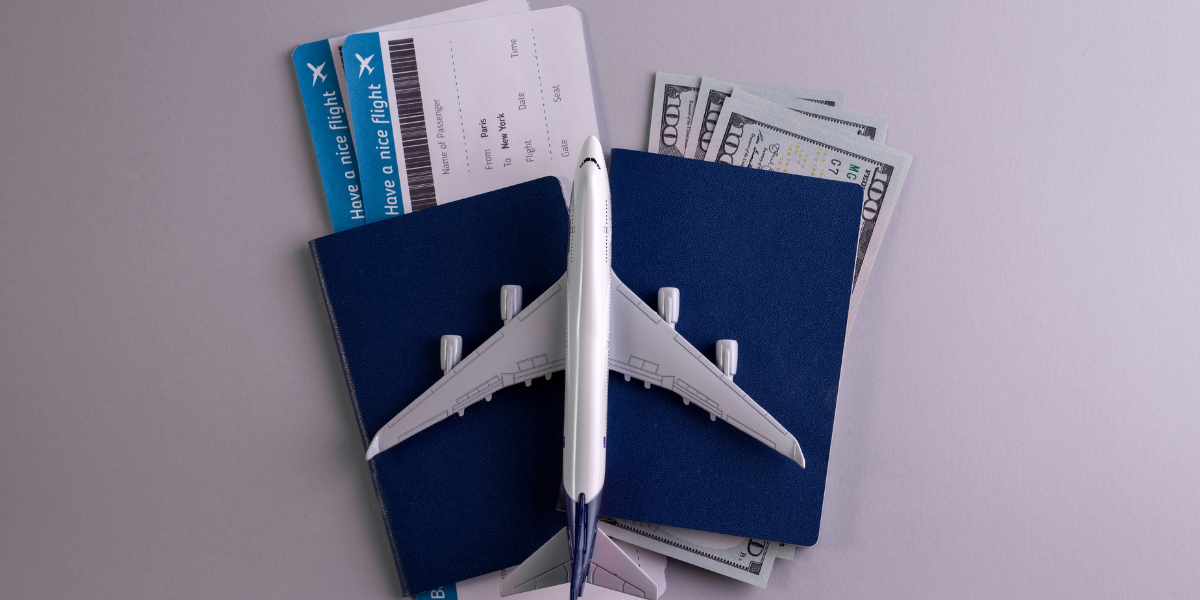
when is the best time to buy airline tickets
Planning a vacation is exciting, but the moment you start...

Best Things to Do in Atlanta: 2026 Guide
When most travelers think of Atlanta, they immediately picture Hartsfield-Jackson...

The best time to travel to Miami: World Cup Chaos, Hurricanes, and When to Actually Go
Let’s be real for a second. If you Google "when...


About Us
Truairfare.com is an online search portal for flights tickets where you can find a variety of accommodations near you or at your preferred location.
Get in Touch
Disclaimer:- We are resellers of travel products and services, including hotels, flight deals, car rentals, vacation packages, and attractions. We are a travel company with an online portal partnered with travel consolidators and third-party travel providers. We are not directly or indirectly associated with any airline, hotel, resort, or accommodation. All prices quoted through us include all taxes and fees. The hotel search engine used is a third-party tool from Travelpayouts, which is simply used to provide information; we are not associated with any company, accommodation, or property available on it.
