
 844 744 6348
US Domestic Airline Baggage Fees 2026: A Simple Business Travel Guide
January 31, 2026
We all love finding a cheap flight for a business trip. It feels like a win until you get to the airport check-in counter. In 2026, the price you see on the screen is rarely the price you end up paying. What used to be a simple task of checking a suitcase has turned into a confusing maze of weight limits, restricted tickets, and surprise fees that can ruin your travel budget.
For business travelers, domestic airline baggage fees are no longer just a few dollars here and there. Whether you are sending a sales team on flights from New York to Chicago or flying executives on flights from San Francisco to Austin, missing the fine print can lead to hundreds of dollars in unexpected costs.
This guide breaks down the current rules for major US airlines in plain English. We cover the big changes at Southwest, the new liability limits, and how to avoid getting stuck with a massive bill at the airport.
The “Basic Economy” Carry-On Trap
One of the biggest headaches in 2026 is the strict rules for “Basic Economy” tickets. These fares look great because they are cheap, but for business travelers, they are often a trap.
Major airlines, now restrict Basic Economy passengers to one small personal item that must fit under the seat. You do not get to use the overhead bin.
Why This Costs You More
Here is the risk: If you show up at the gate with a standard carry-on bag on a Basic Economy ticket, the airline won’t just ask you to check it. They will force you to gate-check it and charge you the standard bag fee plus a penalty fee. That “cheap” ticket just became expensive.
For business trips, we strongly recommend booking “Main Cabin” fares. This guarantees you space in the overhead bin, which is essential when you need to get off the plane quickly on busy routes like cheap flights to miami.
2026 Checked Baggage Standards
Unless you have elite frequent flyer status or a specific credit card, checking a bag is going to cost you money. As of 2026, the standard fee for a first checked bag on domestic flights is generally between $35 and $40.
- American Airlines: Charges $35 if you pay online, but $40 if you pay at the airport.
- Delta & United: Typically charge $35 for the first bag and $45 for the second.
The Big Change at Southwest Airlines
For years, Southwest Airlines was the hero of business travel because bags flew free. In 2026, that has changed. While premium fares still include bags, the standard “Wanna Get Away” tickets may now charge for luggage unless you have a corporate contract.
If your team uses Southwest to move heavy items like trade show booths on cheap flights to vegas you need to be careful. Booking the wrong ticket type could erase your savings instantly. We can help you check your current corporate agreement to make sure you are still covered.
The Overweight Penalty: Avoiding the $100 Fee
For business travelers carrying samples, brochures, or heavy equipment, the “Overweight Fee” is a budget killer. The strict weight limit for a standard checked bag is 50 pounds (23 kg).
If your bag weighs 51 pounds, the airline doesn’t just charge you for that one extra pound. They hit you with a flat fee that usually starts at $100.
Is It Cheaper to Upgrade?
Let’s look at the math. Imagine you are taking a case of brochures on Los Angeles to New York. If the bag weighs 52 lbs, you pay the $40 bag fee plus the $100 overweight fee. That’s $140 just for one bag.
In many cases, it is actually cheaper to upgrade your seat to First Class. First Class usually allows bags up to 70 pounds, meaning you avoid the fee entirely and get a more comfortable flight for roughly the same price.
Know Your Rights: The $4,700 Liability Limit
Lost luggage is every traveler’s nightmare, but there is some good news. The protections for US domestic travelers have improved. Effective 2026, the Department of Transportation (DOT) has raised the airline’s liability limit to $4,700 per passenger.
How to Get Reimbursed
If your bag doesn’t arrive on flights from Charlotte to Atlanta, the airline is required to pay for “reasonable expenses.” This means if you need a suit for a meeting or toiletries because your bag is missing, they have to cover it.
Crucial Step: You must file a claim before you leave the airport. You need to get a File Reference Number. If you leave without it, corporate insurance often won’t cover you.
Regional Rules You Should Know
Not all flights follow the same rules. Depending on where you are going, things might be different.
- Small Regional Jets: On short trips, like flights from Phoenix to Las Vegas, the overhead bins are tiny. Your normal carry-on bag likely won’t fit. You will have to “gate check” it (leave it at the door of the plane).
- Trips to Hawaii: If you are booking flights from Los Angeles to Chicago, remember that your bags have to go through an agricultural inspection before the flight. You need to arrive at the airport earlier than usual.
- Media Equipment: If you are traveling with camera gear or production equipment, ask about “Media Rates.” These are special capped fees that are cheaper than standard overweight charges.
How to Travel Smarter
Controlling costs in 2026 isn’t just about finding the cheapest ticket price; it’s about looking at the total cost of the trip. A simple $10 luggage scale can save you thousands in overweight fees. Encouraging your team to pay for bags online instead of at the airport can save $5 per trip.
If your company moves heavy equipment, manages group travel, or just wants to stop wasting money on fees, don’t leave it to chance.
Contact Us Today. Our corporate travel team can review your frequent routes flights to boston from new york to ensure you aren’t paying more than you have to.
CALL US TOLL-FREE to get the best unpublished rate
Submit a request
Alaska Airlines Baggage Policy | Everything You Need to Know
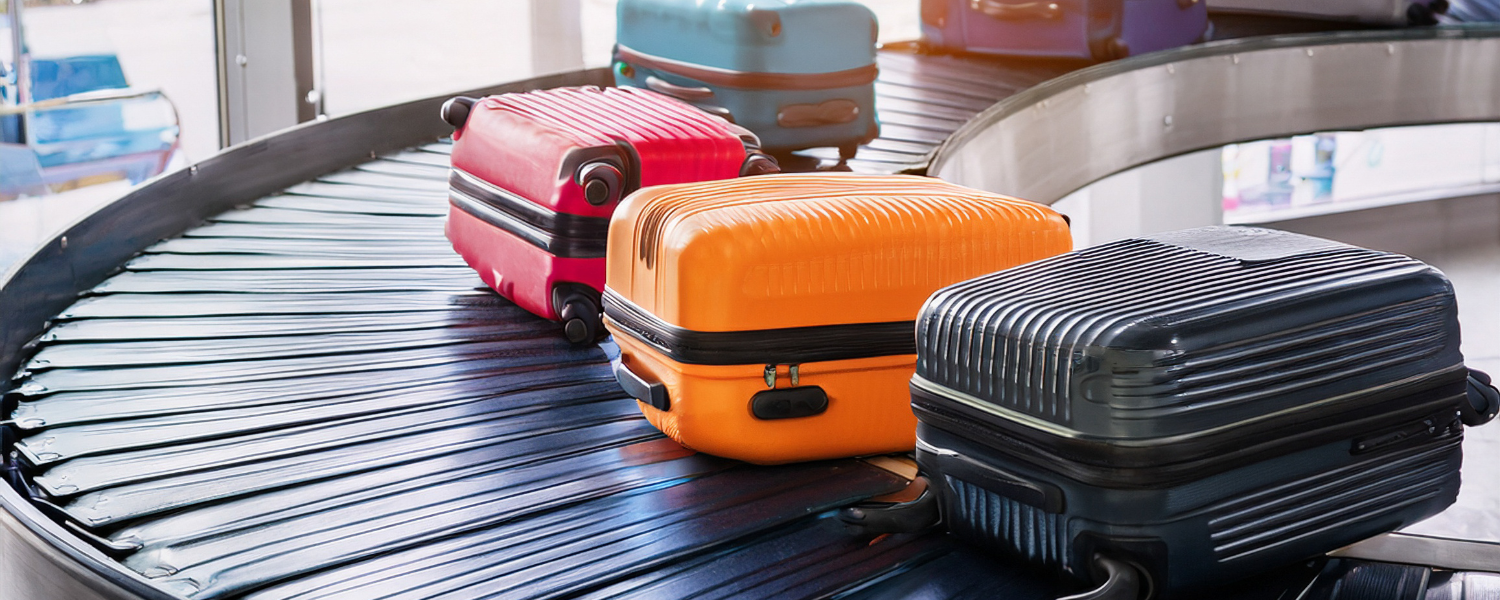
Baggage fees have a sneaky way of turning a great...
Airline Seat Selection | Guide to Choosing the Best Seat
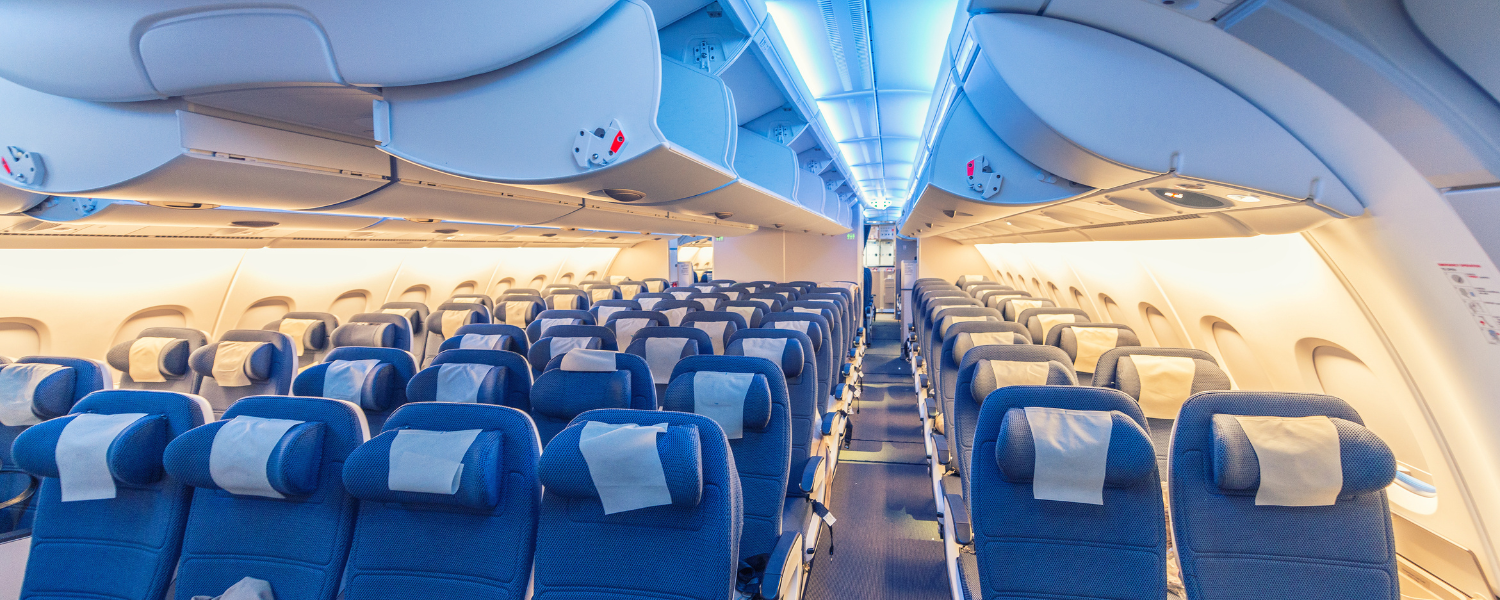
Introduction Think of an airplane cabin the way you think...

Cheapest City to Fly Into in Florida: Best Budget Airports
Introduction Florida is one of the most visited states in...

Is It Cheaper to Buy Plane Tickets at the Airport or Online?
You've probably heard someone say it at least once "just...

Event & Travel Guide: Best Cities to Visit in the United States
Planning a trip across the United States in 2026 is...


About Us
Truairfare.com is an online search portal for flights tickets where you can find a variety of accommodations near you or at your preferred location.
Get in Touch
Disclaimer:- We are resellers of travel products and services, including hotels, flight deals, car rentals, vacation packages, and attractions. We are a travel company with an online portal partnered with travel consolidators and third-party travel providers. We are not directly or indirectly associated with any airline, hotel, resort, or accommodation. All prices quoted through us include all taxes and fees. The hotel search engine used is a third-party tool from Travelpayouts, which is simply used to provide information; we are not associated with any company, accommodation, or property available on it.
