
 844 744 6348
How to Make Airplane Seats More Comfortable
May 28, 2026
Flying is one of the quickest ways to reach your destination, but it often comes with a major downside: the seating.
Whether you are booking flights to Miami for a sunny beach getaway or boarding flights to New York for a busy weekend in the city, spending hours in a cramped cabin can take a toll on your body.
Many travelers struggle with limited legroom, a stiff back, neck pain, a poor sleeping position, and a general lack of personal space.
Fortunately, learning how to make airplane seats more comfortable can completely transform your next journey from a stressful endurance test into a relaxing experience.
With the right preparation and a few smart habits, you can survive even the tightest economy class configurations.
Choose the Right Seat Before You Fly
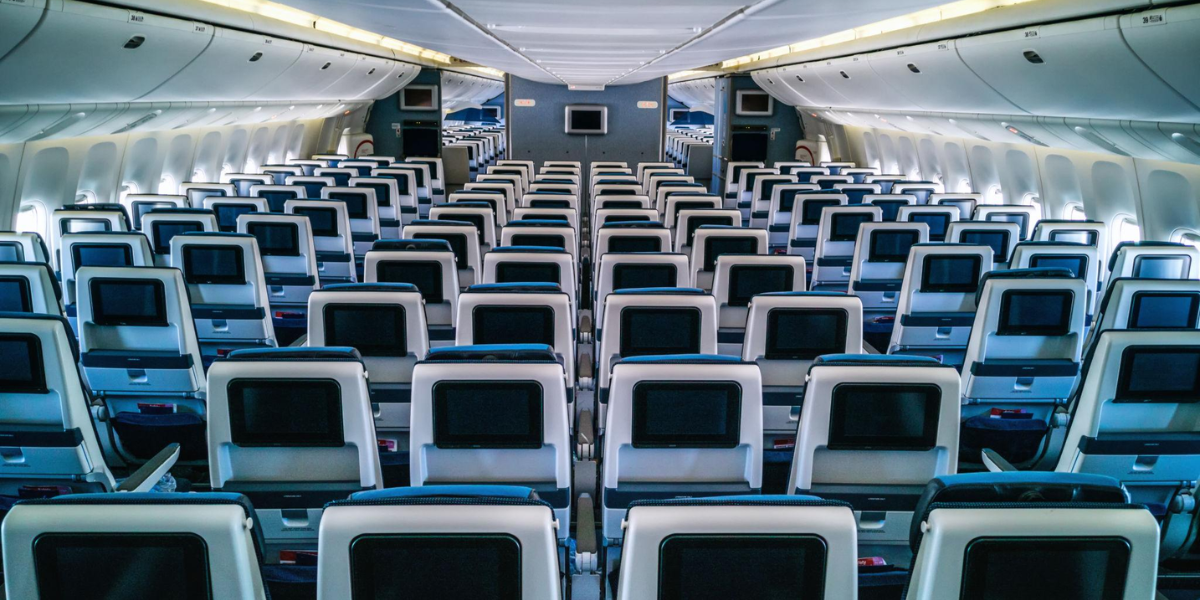
Your journey toward comfortable airplane travel actually begins long before you arrive at the airport. Airplane seat comfort tips almost always start with the booking phase because where you sit determines your baseline level of control over your space.
When searching for flights to Orlando or securing flights to Chicago, take a close look at the aircraft seating chart during selection. Each seat type offers distinct advantages:
- The Aisle Seat: This is ideal for travelers who want freedom of movement. You can stand up, stretch your legs, and use the restroom without disturbing your neighbors.
- The Window Seat: This is the ultimate choice if you want to know how to sleep on a plane. It gives you a solid wall to lean against and ensures nobody will wake you up to exit the row.
- The Exit Row: These seats provide excellent extra legroom, which is perfect for taller passengers. Just keep in mind that these seats sometimes have fixed armrests that reduce seat width slightly.
As a general rule, try to avoid seats located near the bathrooms or galleys. These areas experience constant foot traffic, noise, and light, which can ruin your chances of resting. Always check reputable seat-mapping websites before finalized booking to ensure your specific seat does not have limited recline or restricted legroom.
Bring a Good Travel Pillow
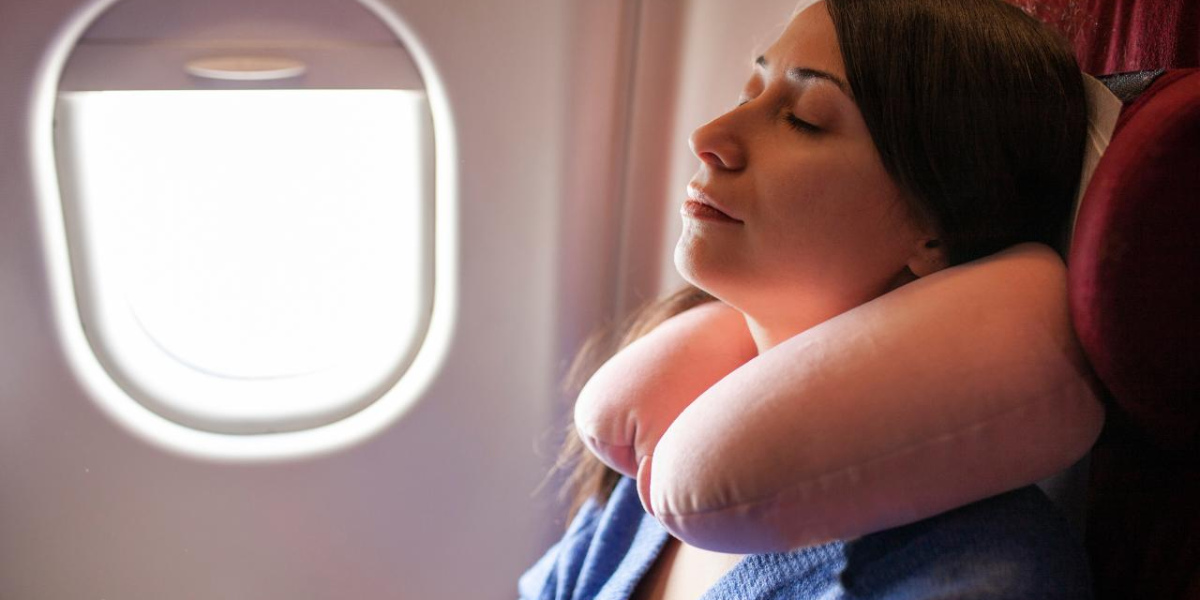
If you want to know how to sit comfortably on a plane, proper neck support is non-negotiable. Standard airplane headrests rarely align correctly with human anatomy, leading to awkward angles and eventual neck strain. Investing in the best travel pillow for airplane cabins is one of the most effective ways to upgrade your experience.
There are several options available depending on your packing style. A memory foam pillow provides dense, contouring support that holds its shape well. A traditional U-shaped pillow is great for forward or side support, while innovative ergonomic wraps keep your chin from dropping forward. If you prefer to save space in your carry-on bag, an inflatable pillow allows you to adjust the firmness by adding or releasing air.
A small travel pillow can make a big difference when you are trying to rest in a tight airplane seat.
Use Lumbar Support for Your Back
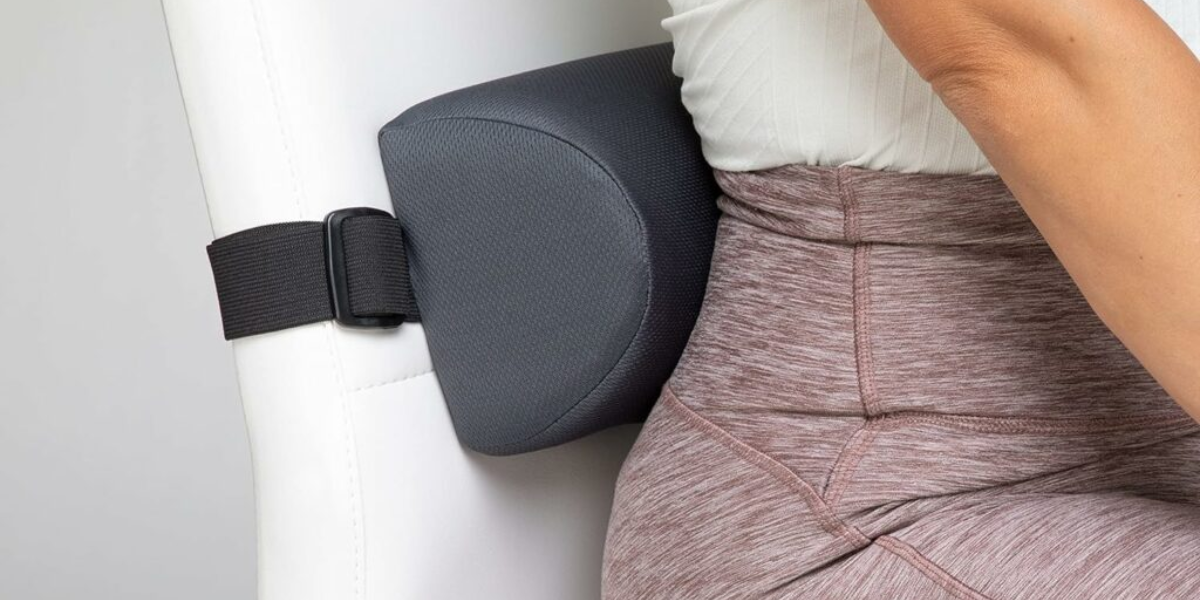
Lower back pain is a frequent complaint among passengers on long flights. Airplane seats are often shaped like a C, which forces your spine to round forward out of its natural alignment. This poor posture puts intense pressure on your lower back discs and muscles.
You do not need to pack heavy gear to solve this issue. Placing dedicated support behind your lower back can immediately fix your posture. If you do not have a specialized travel lumbar cushion, you can improvise easily. Roll up a jacket, a hoodie, or even the small blanket provided by the airline, and tuck it directly into the curve of your lower back. This simple adjustment keeps your spine neutral and prevents that deep, dull ache from setting in halfway through your journey.
Dress for Comfort, Not Just Style
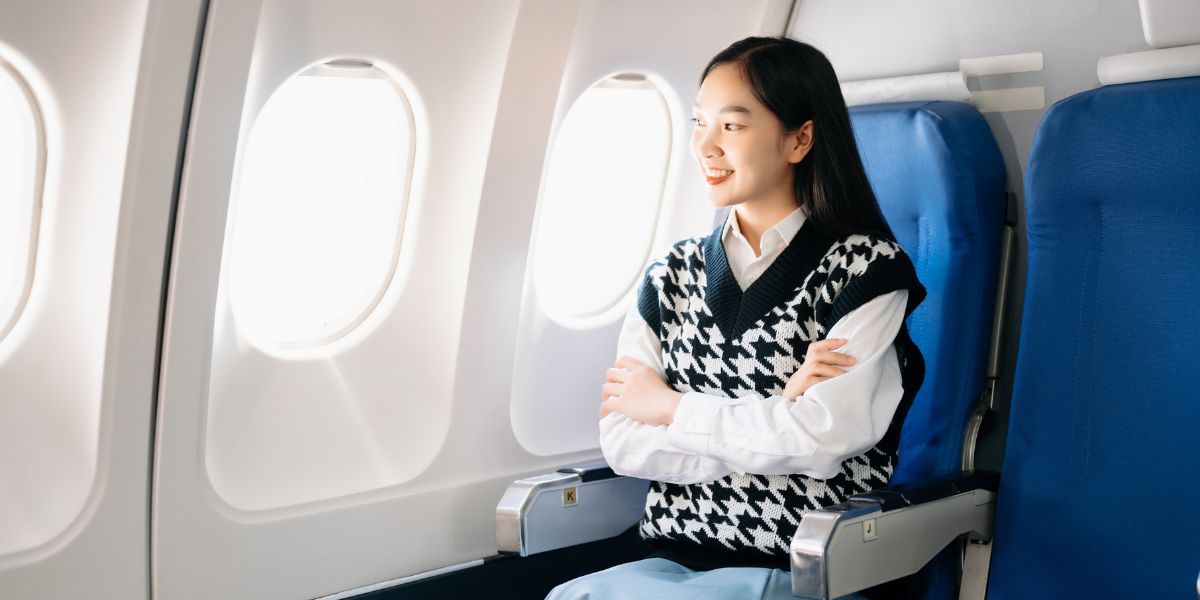
What you wear onto the aircraft plays a massive role in economy seat comfort. Cabins are notorious for unpredictable temperature swings, shifting from freezing cold on flights to Las Vegas to stifling warm while waiting on the tarmac for flights to Florida.
To stay cozy, focus on these clothing rules:
- Soft, Breathable Fabrics: Choose cotton, merino wool, or high-quality athletic blends that allow air circulation.
- Loose Layers: Wear a comfortable t-shirt, a soft sweater, and a jacket so you can easily adapt to changing cabin temperatures.
- Avoid Tight Waistbands: Rigid jeans or tight belts can restrict blood flow and cause digestive discomfort when sitting for hours. Choose elastic-waisted pants or joggers instead.
- Compression Socks: These are excellent long flight comfort tips essentials. They promote healthy blood circulation, reduce the risk of swelling, and keep your feet warm.
- Comfortable Shoes: Slip-on sneakers or supportive flats make navigating airport security easy and give your feet room to expand slightly during flight pressurization.
Pack Small Comfort Essentials
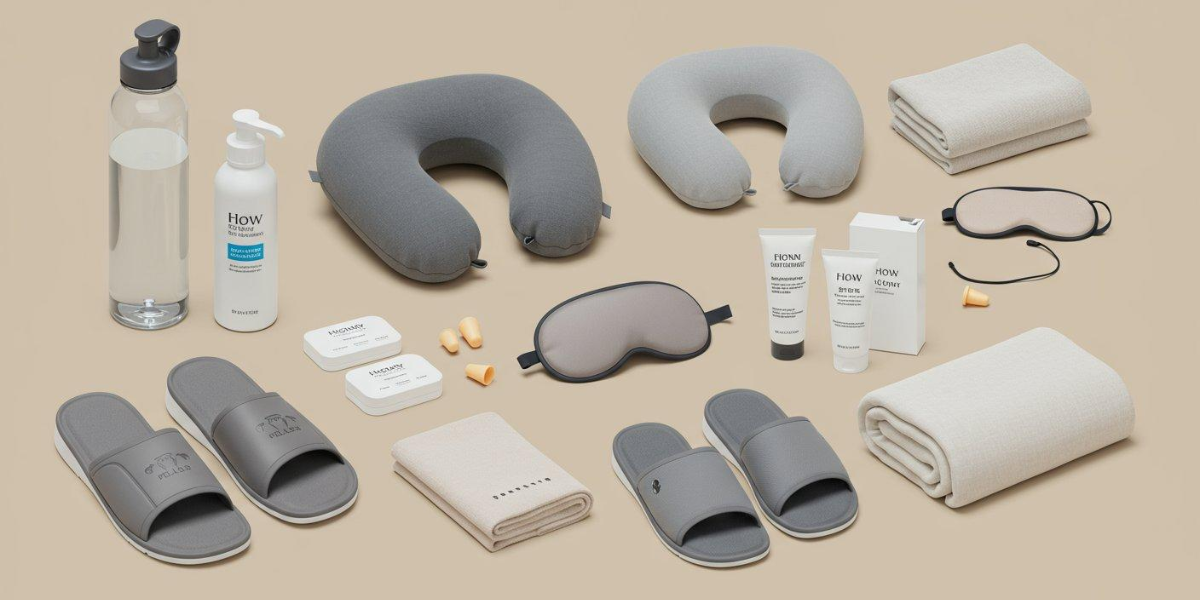
A well-curated personal item bag filled with flight comfort hacks can make a tight space feel like a private oasis. Instead of relying on airline amenities, build your own custom comfort kit.
Here is a quick checklist of items to keep within arm’s reach under the seat in front of you:
- An eye mask to block out ambient cabin lighting and reading lamps.
- Earplugs or high-quality noise-canceling headphones to drown out engine roar and chatter.
- A large blanket scarf that acts as an extra layer of warmth or a makeshift pillow.
- A reusable hydration bottle filled after passing airport security.
- Hydrating lip balm and a travel-sized hand cream to fight dry cabin air.
Having these small tools nearby means you will not have to constantly reach into the overhead bin when you need to relax on flights to Atlanta or flights to San Diego.
Adjust Your Sitting Position
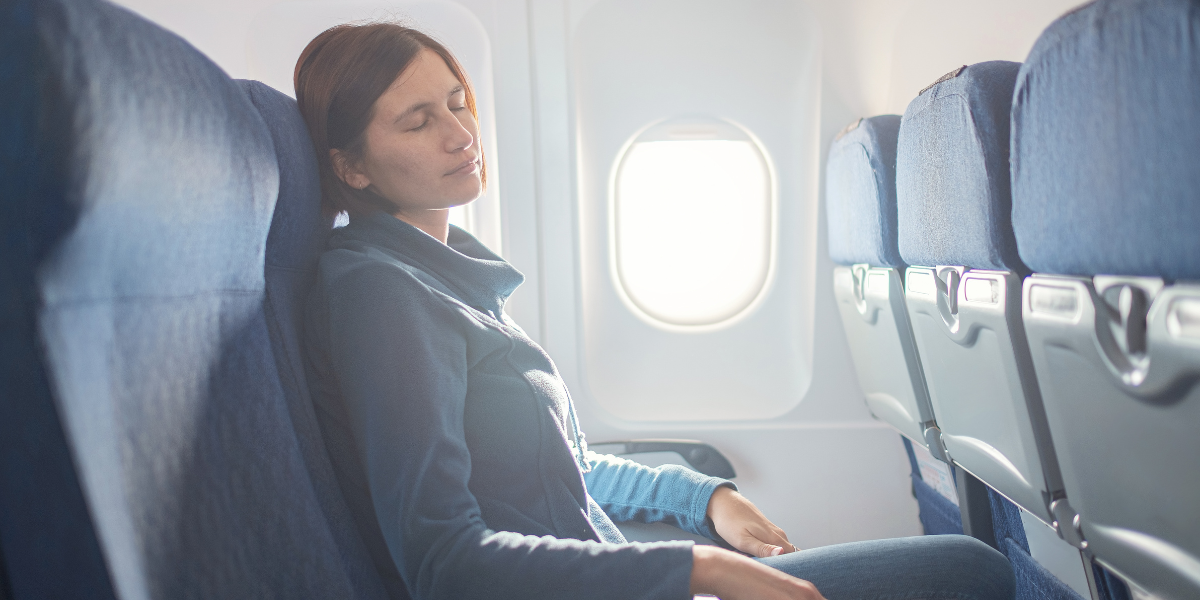
Sitting completely still in one position for hours is a recipe for muscle stiffness and fatigue. To keep your body happy, you must consciously manage your posture throughout the trip.
Start by keeping your feet flat on the floor or on a footrest whenever possible. Hanging feet can strain your thighs and lower back. Avoid crossing your legs at the knees for extended periods, as this restricts blood circulation and can cause your limbs to fall asleep.
Relax your shoulders down away from your ears, and try to shift your weight slightly every 30 to 60 minutes to redistribute the pressure on your hips.
Move and Stretch During the Flight
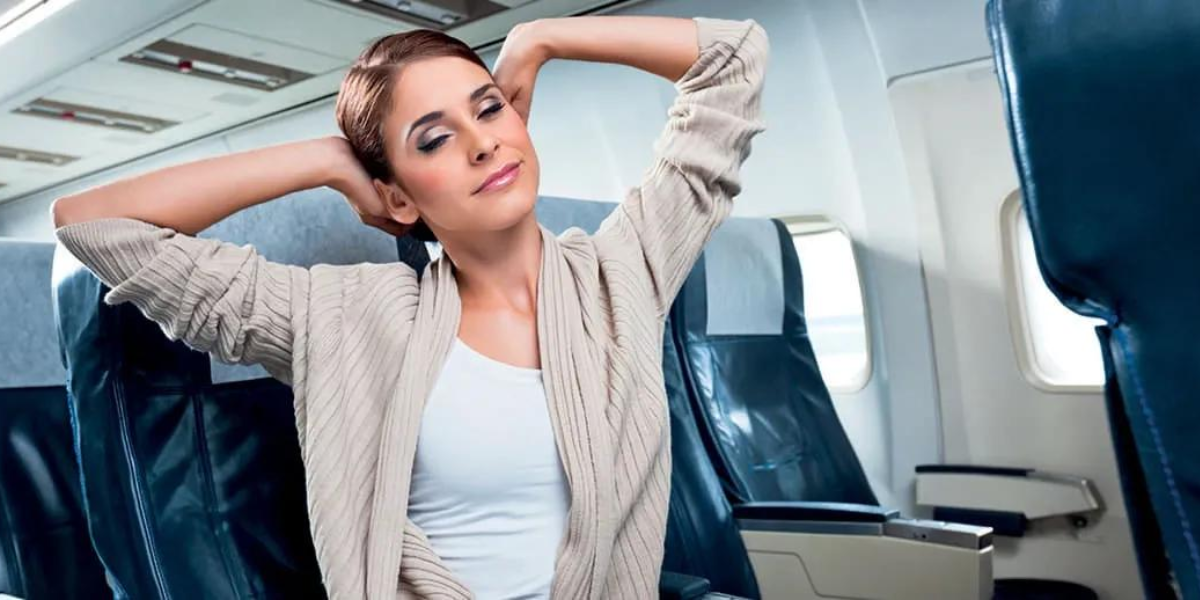
The human body was designed to move, not to sit trapped in a metal tube. Regular movement prevents blood pooling and keeps your joints lubricated, whether you are taking short flights to Denver or longer flights to Boston.
When the seatbelt sign is turned off, take advantage of the opportunity to stretch safely. You can perform simple exercises directly in your seat, such as slow ankle rolls, shoulder shrugs, and neck tilts.
Every hour or two, stand up and take a short walk up and down the aisle. While standing in the galley area, gently lift your heels to stretch your calves. These small bursts of activity keep your energy up and reduce the physical stress of travel.
Stay Hydrated and Avoid Heavy Meals
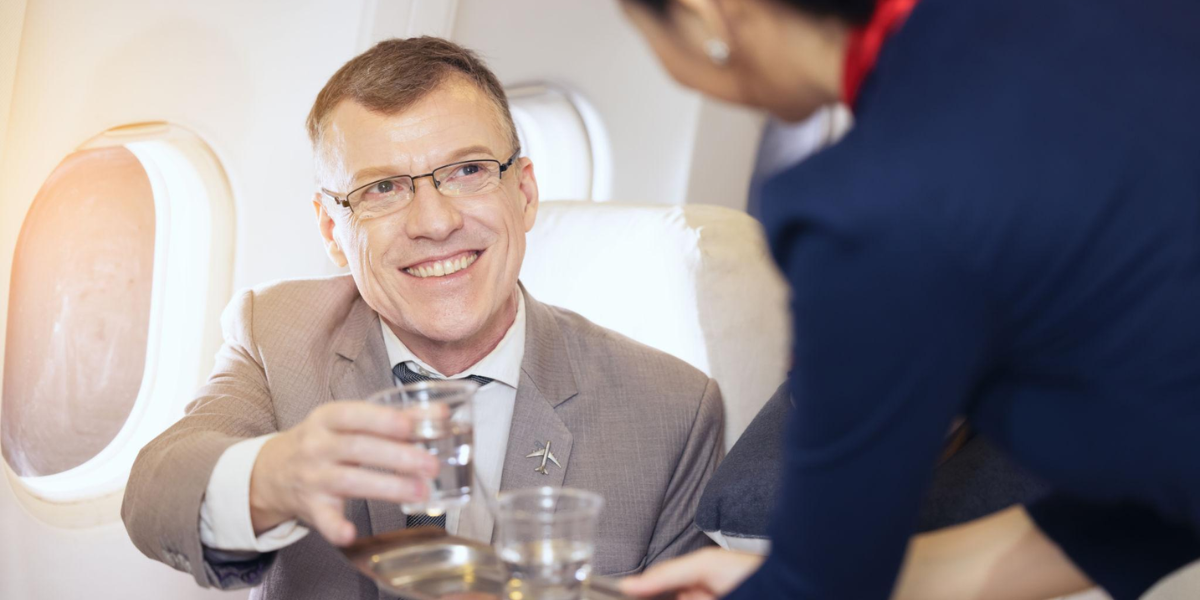
Internal comfort is just as critical as external comfort. The air inside an airplane cabin is exceptionally dry, often hovering at humidity levels lower than a desert. Dehydration intensifies feelings of jet lag, causes headaches, and makes your muscles feel tighter and more achy.
To counter this, drink water consistently throughout the flight. Try to limit your intake of alcohol and excessive caffeine, as both substances accelerate dehydration and disrupt your natural sleep cycles.
Additionally, try to eat lighter meals before boarding. Heavy, greasy, or high-sodium foods can cause bloating and digestive discomfort, making an already tight seat feel even more restrictive on flights to Houston or flights to Dallas.
How to Sleep Better in an Airplane Seat
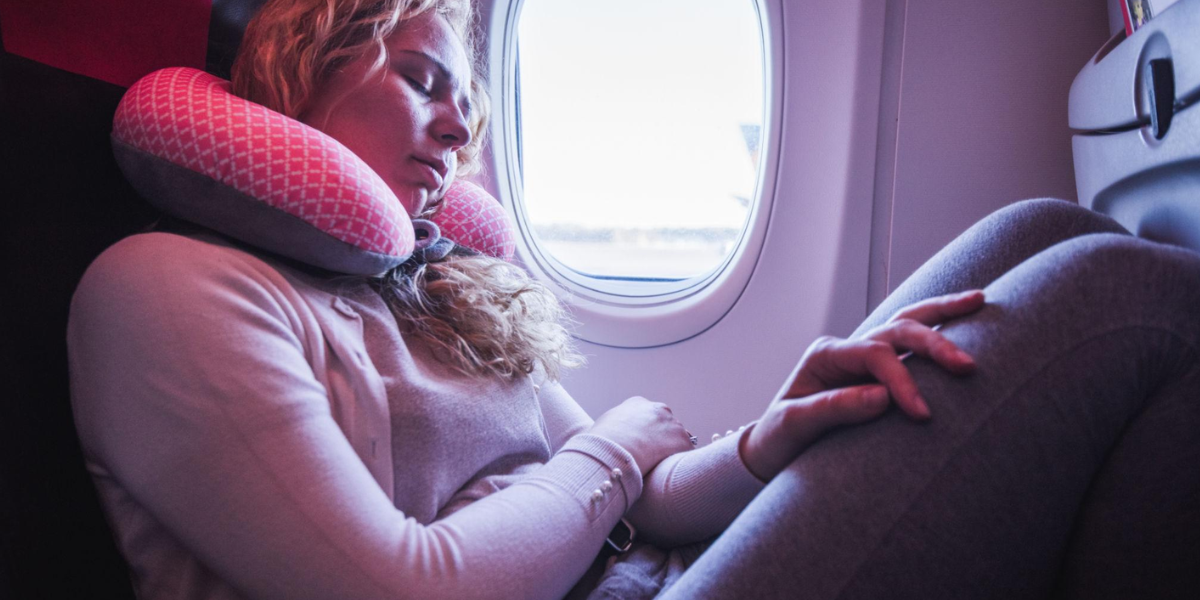
Sleeping while sitting upright is a skill that requires strategy. If you are catching overnight flights to Nashville or early morning flights to San Francisco, getting some rest is vital for arriving refreshed.
To set yourself up for success, try to secure a window seat so you have a place to lean.
Secure your travel pillow firmly around your neck, put on your eye mask, and use your headphones to play calming music or white noise.
When it is time to sleep, recline your seat politely by glancing behind you first to ensure you do not crush the knees of the person in the next row.
Avoid looking at your phone or entertainment screen right before closing your eyes, as blue light signals your brain to stay awake.
Finally, ensure your lap belt is fastened visibly over your blanket so flight attendants do not have to wake you during unexpected turbulence.
Destination Comfort: Upgrading Every Journey
Applying these comfort strategies ensures that your physical well-being remains intact, no matter where your travel plans take you. Whether you are finalizing flights to Los Angeles for business, flights to Fort Lauderdale for vacation, flights to Phoenix to visit family, or flights to Tampa for a weekend break, a proactive mindset makes all the difference.
You can use these identical comfort habits when flying across the country, whether you are on flights to Philadelphia to explore history, flights to Charlotte for a connection, flights to Detroit, flights to Portland, flights to Cleveland, flights to San Jose, or flights to Oakland. Traveling does not have to mean sacrificing your comfort.
Conclusion
Airplane seats may not be perfect, but small changes can make flying much more comfortable. By choosing your seat strategically, packing the right support tools, dressing in cozy layers, and staying active and hydrated, you can easily conquer the challenges of economy travel. Before your next trip, prepare your seat setup, comfort items, and travel routine so your flight feels easier from takeoff to landing.
Read More: Master Your Flight Experience
FAQ Section
1. How can I make an economy airplane seat more comfortable?
To maximize comfort in economy, select your seat early to get an aisle or window option, bring a dedicated neck pillow, create lower-back support with a rolled jacket, wear soft clothing with layers, and make an effort to move around regularly.
2. What should I bring to make a flight more comfortable?
Your carry-on comfort kit should include a supportive travel pillow, an eye mask, noise-canceling headphones, compression socks, a water bottle, and a soft blanket scarf to protect against cold cabin air.
3. How do I avoid back pain on a plane?
Prevent back pain by placing lumbar support behind your lower back, keeping your feet supported rather than dangling, avoiding crossing your legs, and performing gentle stretches every hour.
4. Is a window or aisle seat more comfortable?
It depends on your goals. A window seat offers more comfort for sleeping because you can lean against the cabin wall. An aisle seat offers more comfort for physical freedom because you can stretch your legs and get up easily.
5. How can I sleep better on a plane?
Optimize your sleep by choosing a window seat, wearing an eye mask and earplugs, utilizing a quality travel pillow, reclining your seat carefully, and avoiding digital screens before you rest.
Ready to book your next flight? Let us do the math.
Don’t let hidden fees or poor seat connections ruin your travel budget. Reach out to our expert travel desk to find the absolute lowest total fare for your route.
CALL US TOLL-FREE to get the best unpublished rate
Submit a request

Best Places to Travel for Halloween in the USA (2026 Guide)
Looking for the best places to travel for Halloween? Across...
United Airlines’ 5 New Nonstop Routes for 2027: Full List & Travel Guide
United Airlines has announced three new nonstop routes to Canada...
Miami vs Fort Lauderdale Airport: Which Is Better for Your Flight?
Planning a trip to South Florida? One of the first...
Can You Cancel One Passenger on a Flight Reservation?
Short answer: Yes, usually. You can cancel one passenger without...

2027 US Event Travel Calendar: Dates, Cities & When to Book Flights
Planning to see a big US event in 2027? This...


About Us
Truairfare.com is an online search portal for flights tickets where you can find a variety of accommodations near you or at your preferred location.
Get in Touch
Disclaimer:- We are resellers of travel products and services, including hotels, flight deals, car rentals, vacation packages, and attractions. We are a travel company with an online portal partnered with travel consolidators and third-party travel providers. We are not directly or indirectly associated with any airline, hotel, resort, or accommodation. All prices quoted through us include all taxes and fees. The hotel search engine used is a third-party tool from Travelpayouts, which is simply used to provide information; we are not associated with any company, accommodation, or property available on it.
