
 844 744 6348
Airline Automatic Refund 2026: The DOT Rules Explained
April 3, 2026
There you are. Sitting at the gate, coffee in hand, watching the departure board flip your flight status from “On Time” to “Delayed” to “Canceled.” You’ve been there before. Maybe you spent forty-five minutes on hold with customer service, only to be offered a travel voucher that expires in twelve months and comes loaded with blackout dates. Maybe you took the voucher because you didn’t know you had another option.
Here’s the truth: you did have another option. And in 2026, that option is stronger, clearer, and more legally protected than ever before.
The U.S. Department of Transportation (DOT) has put rules in place that take the guesswork and the arguing out of getting your money back. No more begging. No more vouchers you’ll never use. This is your complete guide to understanding the airline automatic refund rules and exactly how to claim what is already yours.
What Is the DOT Automatic Refund Rule?

The DOT Automatic Refund Rule is a federal regulation that requires airlines to return your money real money, back to your original form of payment when your flight is canceled or significantly disrupted and you choose not to accept a rebooking.
The rule was finalized in 2024 and has been enforced through 2025 and into 2026. The key word in this entire conversation is automatic. You should not have to call anyone. You should not have to submit a claim form, argue with a chatbot, or wait weeks for a decision. The airline is legally obligated to initiate the refund without you asking.
Before this rule existed, airlines had a quiet but effective strategy: when flights were canceled, they would automatically issue travel vouchers or credits to passengers. Many travelers accepted these because they didn’t know they were entitled to cash. The DOT stepped in specifically to close that loophole. Today, if an airline offers you a voucher in place of a cash refund after a covered disruption, that airline is not in compliance with federal law.
This applies to all flights that depart from or arrive in the United States, regardless of whether the airline is American or foreign. If you’re flying into JFK from London on a British carrier, the same rule protects you.
The Triggers: When Exactly Do You Get Paid?

Knowing that the rule exists is one thing. Knowing when it applies to your situation is what actually puts money back in your pocket.
The DOT has defined specific thresholds that classify a flight disruption as “significant.” Once your disruption crosses these lines and you choose not to travel, you are entitled to your airline automatic refund.
Delay Thresholds
-
For domestic flights within the United States, a delay of 3 hours or more qualifies. This is measured against your original scheduled departure or arrival time not a revised time the airline updates the board to show.
-
For international flights, the threshold is 6 hours or more.
Other Significant Disruptions
Beyond delays, there are several other situations that trigger the refund right:
-
If the airline moves your departure or arrival to a completely different airport than what you booked, that counts.
-
If they add a connection to your itinerary that wasn’t there when you bought your ticket, that counts.
-
If you booked a direct flight and they reroute you through a connecting city, you have the right to decline and receive a full refund.
-
If the airline downgrades you from business class to economy even on just one leg of a multi-leg trip you are owed a refund for the price difference, at minimum.
It’s also worth noting that “canceled” doesn’t always mean the airline sends you a notification. Sometimes a flight is quietly renamed, renumbered, or merged with another. If the end result is that your original flight no longer operates as booked, it is effectively a cancellation under DOT rules.
If your trip is ruined by a 4-hour delay and you choose to cancel rather than rebook, take your automatic cash refund and use it to book domestic flights online with a carrier that better fits your schedule.
The 2026 “Flight Number” Loophole You Need to Know About

This is the part of the story that most travel blogs aren’t telling you, and it matters.
In late 2025 and continuing into 2026, the DOT announced a temporary pause on one specific component of the automatic refund rule. The paused portion relates to what happens when an airline simply changes the flight number assigned to your trip.
Here is how this plays out in practice. Imagine you booked Flight AA1234 from Dallas to Chicago. The airline re-numbers it as Flight AA5678. The plane still leaves on time. The route is identical. The seats haven’t changed. Nothing material about your journey has changed only the number on the ticket.
Under the paused provision, this does not count as a cancellation. You are not owed a refund. The airline has not violated the rule. This pause is currently set to remain in effect through June 30, 2026.
Why does this matter to you? Because some airlines have used flight number changes as a technical workaround in the past. If you receive a notification that your flight number has changed but the departure time, route, and airports remain the same, do not assume you’re entitled to cancel for a full cash refund before verifying whether a “significant change” has actually occurred under the DOT’s definitions.
After July 1, 2026, the situation may shift again depending on whether the DOT reinstates or modifies that portion of the rule. Staying informed is your best defense.
Getting Reimbursed for Bags and Seats
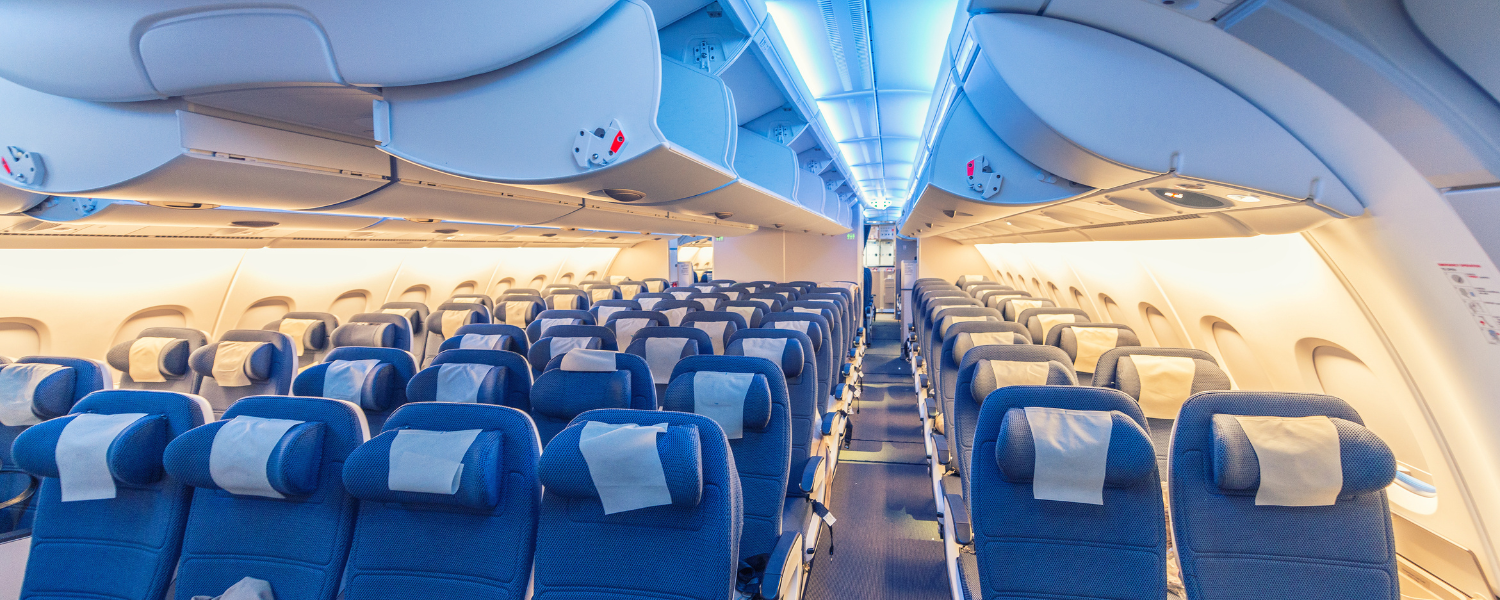
The refund rule doesn’t stop at your base ticket price. The DOT has specifically extended protections to ancillary fees those extra charges that have become a major part of airline revenue in recent years.
1. Seat Selection and Wi-Fi
If you paid for a specific seat and the airline moves you to a different one, you are entitled to a refund of that seat selection fee. This applies whether you paid for extra legroom, a window seat, or a bulkhead position. If the airline cannot provide what you specifically paid for, they owe you that money back. The same logic applies to paid Wi-Fi access. If you purchased in-flight internet for a specific flight and that service was unavailable, a refund is owed.
2. Baggage Fees
Baggage fees carry their own set of protections. If you check a bag, pay the fee, and that bag is mishandled meaning it doesn’t arrive with you you are entitled to a refund of your baggage fee under specific conditions.
-
For domestic flights, if your checked bag is delayed by more than 12 hours after your flight arrives, the airline must refund your checked bag fee.
-
For international flights, that window extends to 30 hours.
You do need to file a mishandled baggage report with the airline at the airport to initiate the process, but once you do, the refund obligation is triggered automatically. This is especially significant given that checked bag fees now commonly run between $35 and $75 per bag each way. If you’re a frequent traveler, these protections can add up to meaningful savings over the course of a year.
The Timeline: How Fast Will You Get Your Money?

The DOT didn’t just mandate that refunds happen. They also set strict deadlines for how quickly airlines must process them.
-
Credit Cards: If you paid for your flight with a credit card, the airline is required to process your refund within 7 business days of the cancellation or your decision not to travel. Note that this is 7 business days for the airline to initiate the refund it may take an additional few days for the credit to actually appear on your statement depending on your card issuer.
-
Other Payment Methods: If you paid through another method such as PayPal, a debit card, cash, or if any portion of your ticket was purchased using airline miles or points the airline has 20 calendar days to process the refund.
What should you do if the deadline passes and nothing shows up? Start by documenting everything: your original booking confirmation, the cancellation or delay notification, any communication with the airline, and the date you formally declined the rebooking or alternative travel offer. Then file a complaint directly with the DOT through their Aviation Consumer Protection Division website. The DOT takes these complaints seriously, and a formal complaint creates a paper trail that can accelerate resolution.
If the airline still refuses or delays further, a credit card dispute also called a chargeback is a legitimate option. Your card issuer can reverse the charge if you can show that a service you paid for was not delivered.
Final Thoughts: Your Money, Your Rights
Flight disruptions are stressful enough without having to fight for a refund that federal law already guarantees you. The DOT Automatic Refund Rule exists specifically to remove that fight from the equation. A canceled flight or a significant delay should not end with you holding a voucher for an airline you never want to fly again.
Know the thresholds, the timeline, the loopholes, including the temporary flight number pause that runs through June 30, 2026. And know that if an airline offers you a credit instead of cash after a covered disruption, you are within your rights to decline it and demand your money back.
Let Us Handle the Heavy Lifting
You shouldn’t have to fight an airline algorithm just to get what you paid for. Let TruAirfare handle the heavy lifting. Contact our travel experts at +1-844-744-6348 to manage your disruptions.
Frequently Asked Questions
Q: Am I entitled to a cash refund if my flight is canceled?
A: Yes, absolutely. Under the DOT Automatic Refund Rule, if your flight is canceled and you choose not to accept a rebooking on an alternative flight, the airline is legally required to refund the full ticket price to your original payment method. This is not a voucher, not a credit, and not a negotiation. It is a federal requirement. The refund must be issued without you having to specifically request it.
Q: How long does a flight have to be delayed to get a refund?
A: For flights within the United States, the delay must be 3 hours or more past your original scheduled departure or arrival time. For international flights, the threshold is 6 hours or more. In addition to time-based delays, you are also entitled to a refund if the airline changes your departure or arrival airport, adds an unplanned connection to your itinerary, or downgrades your class of service regardless of whether a significant time delay is involved.
Q: How long do airlines have to issue a refund?
A: If you paid by credit card, the airline must process your refund within 7 business days. If you used any other form of payment, including PayPal, debit card, or airline miles, they have 20 calendar days. If the airline misses these deadlines, you can file a formal complaint with the DOT’s Aviation Consumer Protection Division and, if necessary, initiate a chargeback through your credit card provider.
CALL US TOLL-FREE to get the best unpublished rate
Submit a request

Airline Automatic Refund 2026: The DOT Rules Explained
There you are. Sitting at the gate, coffee in hand,...

Medicines on a Plane: 2026 TSA Rules & Guidelines
Whether you are managing a chronic condition like diabetes or...

Alaska Airlines Baggage Policy | Everything You Need to Know
Baggage fees have a sneaky way of turning a great...
Airline Seat Selection | Guide to Choosing the Best Seat
Introduction Think of an airplane cabin the way you think...

Cheapest City to Fly Into in Florida: Best Budget Airports
Introduction Florida is one of the most visited states in...


About Us
Truairfare.com is an online search portal for flights tickets where you can find a variety of accommodations near you or at your preferred location.
Get in Touch
Disclaimer:- We are resellers of travel products and services, including hotels, flight deals, car rentals, vacation packages, and attractions. We are a travel company with an online portal partnered with travel consolidators and third-party travel providers. We are not directly or indirectly associated with any airline, hotel, resort, or accommodation. All prices quoted through us include all taxes and fees. The hotel search engine used is a third-party tool from Travelpayouts, which is simply used to provide information; we are not associated with any company, accommodation, or property available on it.
