
 844 744 6348
Do You Have to Go Through Security Again for a Connecting Flight?
October 9, 2026
If you are flying within the US and land at your layover airport, you step off the plane directly into the secure gate area, known as airside. As long as you stay past the security checkpoint and your next gate is in the same secure zone, you do not need to go through Transportation Security Administration (TSA) screening a second time.
However, your itinerary, terminal design, and baggage situation can change things quickly. International arrivals, leaving the secure zone, or switching between disconnected terminals will send you right back through the physical screening lanes.
Here is a straightforward guide explaining exactly when you must reclear security, when you can walk straight to your gate, and how to plan your layover time wisely.
Jump to a section:
Do You Have to Go Through Security Again for a Connecting Flight?
To understand how connecting flight security works, it helps to look at the most common flight scenarios:
| Connection Type | Security Again? | What Happens |
|---|---|---|
| Domestic to domestic | Usually no | If you stay inside the secure area, you walk directly to your departure gate. |
| Domestic to international | Usually no, if remaining airside | Provided you remain airside and do not exit to the public lobby. |
| International arrival into the US | Usually yes | You must clear border control, retrieve checked bags, and pass TSA screening before reaching your domestic gate. |
| Leaving the secure airport area | Yes | Always. The moment you exit past the exit doors, you must clear regular security to re-enter. |
| Changing terminals | Depends on airport layout | It depends entirely on the airport design. Some airports link terminals behind security, while others force you outside to landside areas. |
| Separate tickets | Depends on baggage and terminal arrangements | It depends on baggage and check-in setup. If your bags are not checked through, you must claim them landside and go through security again. |
Holding separate tickets or switching airlines does not automatically force you through TSA checkpoints. If you have your onward boarding pass on your phone, carry only hand luggage, and your connection is within the same secure gate concourse, you can proceed straight to your next flight without another check.
Domestic vs International Connecting Flight Security
The difference between domestic and international connections comes down to national border control and screening protocols.
Domestic: Chicago → Atlanta → Miami
When you fly entirely within the US, you are already screened to domestic TSA standards. When you land in Atlanta, you deplane into Concourse T or Concourse A. Because Atlanta connects all concourses via an underground Plane Train inside the secure perimeter, you simply walk or ride the train to your Miami gate. You never see a TSA officer.
International arrival into the US
International arrivals follow a completely different rule. When you land in the US from another country, all passengers must clear US Customs and Border Protection. Because passengers in international arrival corridors mix with travelers from various security standards worldwide, US regulations require everyone to be screened by TSA before entering the domestic departures area.
When Do You Need to Go Through TSA Again?
There are three primary situations where domestic or international travelers must complete security during connecting flights:
1. Leaving the Secure Area
If you have a long layover and decide to step outside for fresh air, visit a city landmark, or meet a friend in the public departures lobby, you exit the sterile airside zone. To return to your boarding gate, you must join the standard passenger screening line. Review our guide on Can You Leave the Airport During a Layover? before stepping past the security exit.
2. Changing Terminals Without an Airside Link
Airport layouts vary wildly. Many modern hubs have airside walkways or secure people movers connecting every concourse. However, some airports feature standalone terminal buildings with no post-security links.
If you land at Terminal 1 and your next flight leaves from Terminal 3, you may need to walk outside, ride an external shuttle bus, and clear security screening at Terminal 3. For example, our Miami International Airport Guide details how certain concourses require careful navigation to avoid accidental security exits.
3. Collecting and Rechecking Bags
If you must claim your luggage at the public baggage carousel, you leave the secure area. After dropping your bags off at the airline check-in counter, you must proceed through security checkpoints once more. Make sure you follow standard TSA Carry-On Rules so you do not pack prohibited items into your cabin bags when reorganizing your belongings.
Do You Go Through Security Again After Customs?
Yes, in most cases, arriving in the United States from abroad requires clearing security after customs. The standard process works in a set order:
1. You exit the plane and proceed to passport control.
2. You collect your checked luggage from the international carousel.
3. You pass through the customs exit point.
4. Immediately after customs, there is an airline transfer desk where you drop your tagged bags onto a recheck belt.
5. Right after dropping your bags, you are routed directly into a TSA checkpoint before you can access your connecting domestic gate.
There are two major exceptions to this rule:
US Preclearance Facilities
If you depart from select foreign airports such as Dublin, Shannon, Nassau, or major Canadian cities, you clear US customs and TSA-equivalent screening before boarding your flight. When you land at a US airport, you arrive just like a domestic passenger and can walk straight to your connection.
One-Stop Security Pilots
Airlines and security agencies continue testing streamlined international transfer systems. For example, American Airlines and TSA have operated pilot programs on select routes, such as flights arriving from London Heathrow into Dallas Fort Worth, allowing vetted connecting travelers to skip duplicate screening on arrival.
Do You Go Through Security Again on Separate Tickets?
Traveling on two separate tickets often leads to extra security checks, primarily due to checked baggage.
If you book Flight A with one airline and Flight B with another on independent confirmation codes, the first airline is rarely obligated to check your luggage all the way through to your final destination. You must collect your bags at baggage claim in the arrivals hall, take them to your second airline counter, check in, drop your bags, and enter the main security line.
If you travel with carry-on bags only, you can check in online 24 hours prior and save your boarding pass. If your connecting flight departs from the same terminal or an airside-connected terminal, you can walk directly to your gate without seeing security personnel.
How Much Time Should You Allow for a Connecting Flight?
Never assume a short layover is safe simply because you booked a domestic itinerary. Terminal walking distances, inter-terminal trains, baggage transfer, flight delays, customs clearance, and long TSA lines all cut into your connection buffer.
Domestic layovers
For pure domestic layovers inside the same terminal, 45 to 60 minutes may suffice, but 90 minutes provides much better peace of mind. For domestic connections requiring a terminal switch, plan for at least 90 minutes.
International arrivals into the US
For international arrivals into the US connecting to a domestic flight, allow a minimum of two to three hours. Even 15 minutes of unexpected customs congestion can jeopardize your trip.
These are general planning ranges, not guarantees. No fixed layover length is sufficient for every airport and every day.
If your schedule looks tight, read our breakdown on What Happens If You Miss Your Connecting Flight? to know your rebooking rights.
Tips to Avoid Missing Your Connection
- Download Terminal Maps in Advance: Look up your layover airport map before taking off to check if concourses connect airside.
- Get Both Boarding Passes Early: Ensure you have both boarding passes on your airline smartphone app before your first flight departs.
- Confirm Baggage Tags at Check-In: Look at the printed bag tag attached at your departure city to verify the final three-letter airport code.
- Use TSA PreCheck or CLEAR: If you must reclear security, having PreCheck speeds up the process significantly because you keep your belt and light jacket on and leave your laptop and compliant liquids in your bag. Since July 2025, most travelers can also keep their shoes on in standard lanes, though an officer can still ask you to remove them.
- Ask Flight Attendants for Connection Updates: Flight crews can often look up your arrival gate and departure gate while you are still descending.
Official sources:
Frequently Asked Questions
Do I go through TSA again on a domestic layover?
No, as long as you remain inside the secure gate area and your connecting flight departs from a concourse linked airside.
Do I need security again for an international connection?
Yes, standard international arrivals into the US require passing customs, rechecking bags, and completing TSA screening before boarding your connecting flight.
Do I go through security again if I change terminals?
Only if the airport lacks an airside walkway or secure transit shuttle connecting the two terminals behind the security checkpoint.
Can I leave the airport and return during a layover?
Yes, but you will need a valid boarding pass and government identification to clear regular TSA security lines before returning to your departure gate.
Does TSA PreCheck work during connecting flights?
Yes. If you are forced to reclear security during a layover, you can use the designated TSA PreCheck lane if the indicator appears on your boarding pass.
Book Connections That Fit Your Trip
Compare itineraries with realistic layover windows and avoid a rushed connection.
Compare Flights with TruAirfare →
Prefer to book by phone? Call TruAirfare 24/7 at (844) 744-6348
CALL US TOLL-FREE to get the best unpublished rate
Submit a request

2027 US Event Travel Calendar: Dates, Cities & When to Book Flights
Planning to see a big US event in 2027? This...
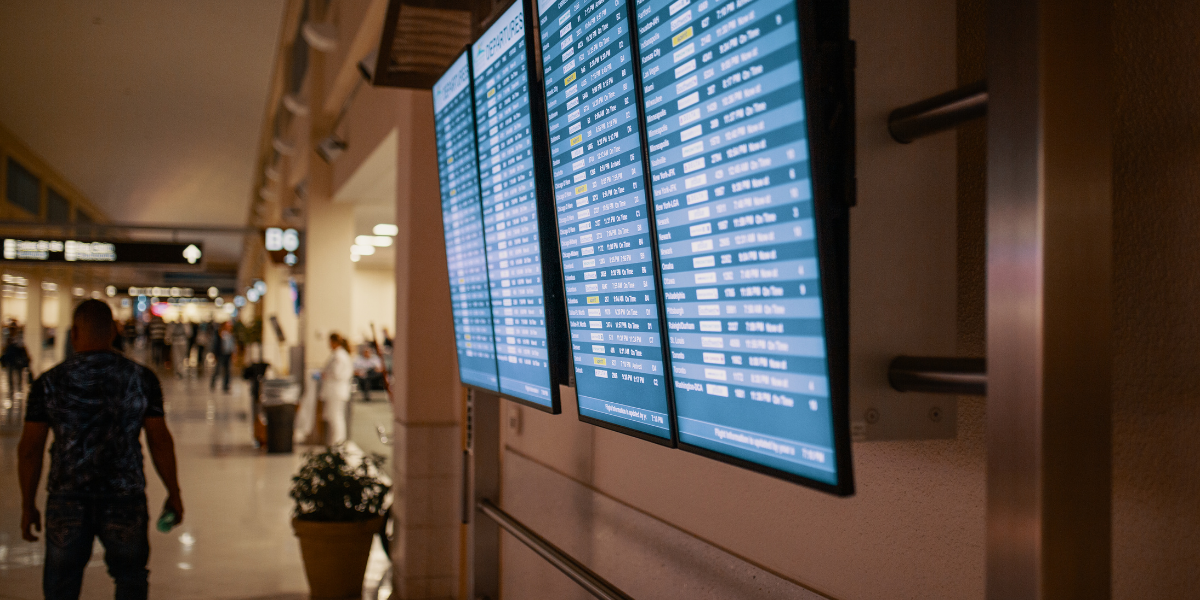
Do You Have to Go Through Security Again for a Connecting Flight?
The short answer is usually no for domestic flights, but...

Do I Need a Visa for a Layover? Transit Visa Rules Explained
Whether you need a visa for a layover depends on...
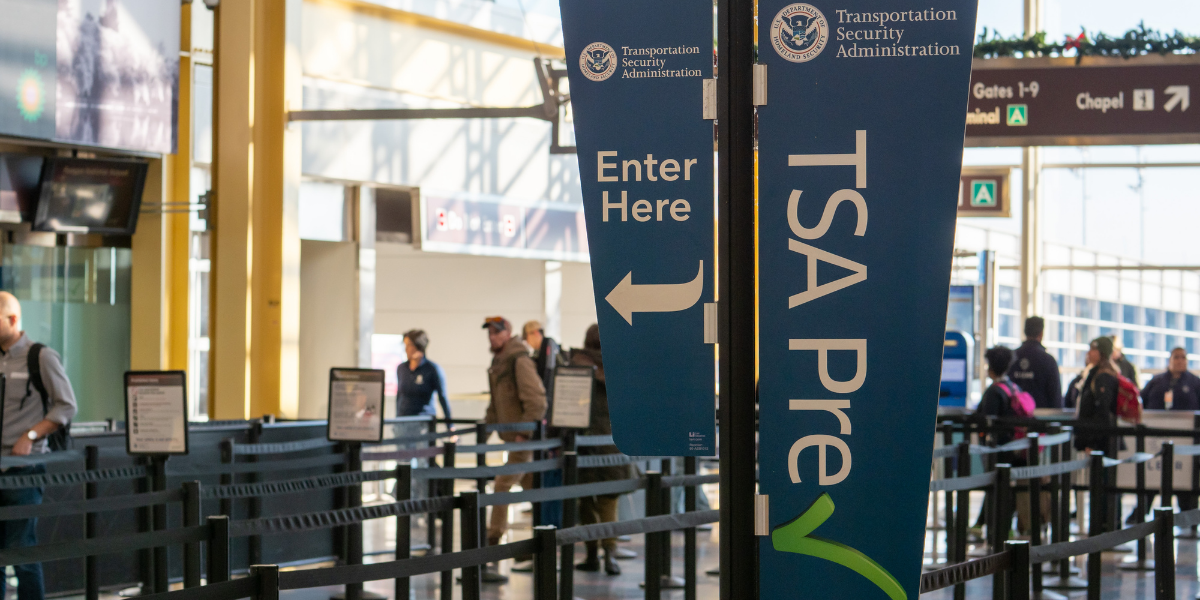
How to Add TSA PreCheck to American Airlines: Step-by-Step Guide
Getting approved for TSA PreCheck is a huge relief for...
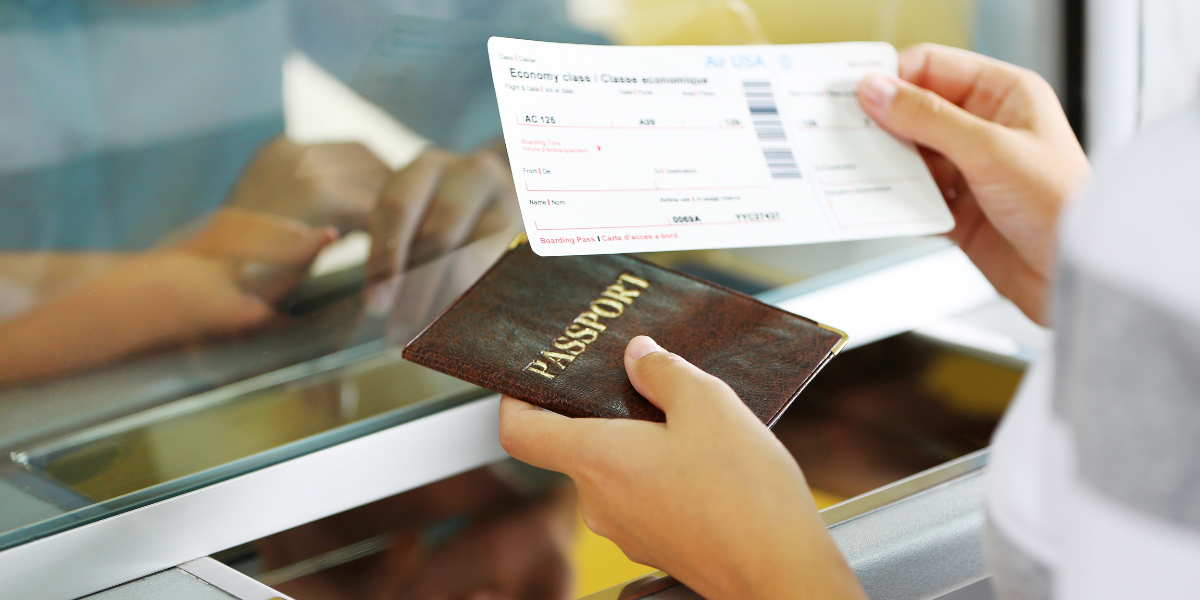
Do You Need a REAL ID to Fly Domestically in 2026?
If you've booked a flight recently and someone mentioned "REAL...


About Us
Truairfare.com is an online search portal for flights tickets where you can find a variety of accommodations near you or at your preferred location.
Get in Touch
Disclaimer:- We are resellers of travel products and services, including hotels, flight deals, car rentals, vacation packages, and attractions. We are a travel company with an online portal partnered with travel consolidators and third-party travel providers. We are not directly or indirectly associated with any airline, hotel, resort, or accommodation. All prices quoted through us include all taxes and fees. The hotel search engine used is a third-party tool from Travelpayouts, which is simply used to provide information; we are not associated with any company, accommodation, or property available on it.
