
 844 744 6348

How to Sleep on a Plane: Tips for Better Flight Rest
July 28, 2026
Your flight does not have to feel like a sleepless night in the sky. Small choices before and during your flight can completely change your comfort level. Whether you are hopping on a short domestic connection or settling in for a cross-country haul, learning how to sleep on a plane comfortably comes down to smart preparation and simple adjustments.
Why Sleeping on a Plane Is So Difficult
Sleeping on a plane sounds simple until you are sitting upright between strangers with limited legroom and a bright cabin light directly above you. Airplanes present a unique environment that works against our body’s natural sleeping habits.
Several major factors make sleeping during a flight a challenge:
- Limited Space: Standard economy seats restrict movement, making it hard to stretch or shift positions.
- Unfamiliar Environment: Cabin noise, sudden altitude changes, and engine hums keep your brain on high alert.
- Dry Cabin Air: Recirculated air leads to dry air passages, thirst, and skin discomfort.
- Uncomfortable Seat Angles: Most seats do not recline fully, which places pressure on your lower back and neck.
- Time Zone Changes: Crossing time zones disrupts your circadian rhythm, confusing your body about when to rest.
Understanding these challenges helps you take control of your environment so you can get the rest you need.
What Is the Best Way to Sleep on a Plane?
The best way to sleep on a plane is to choose a comfortable seat, prepare with sleep accessories, avoid heavy meals and caffeine before sleeping, and adjust your routine based on your destination time zone. Window seats, neck support, eye masks, and noise reduction can make long flights significantly more comfortable.
Choose the Right Seat Before Your Flight
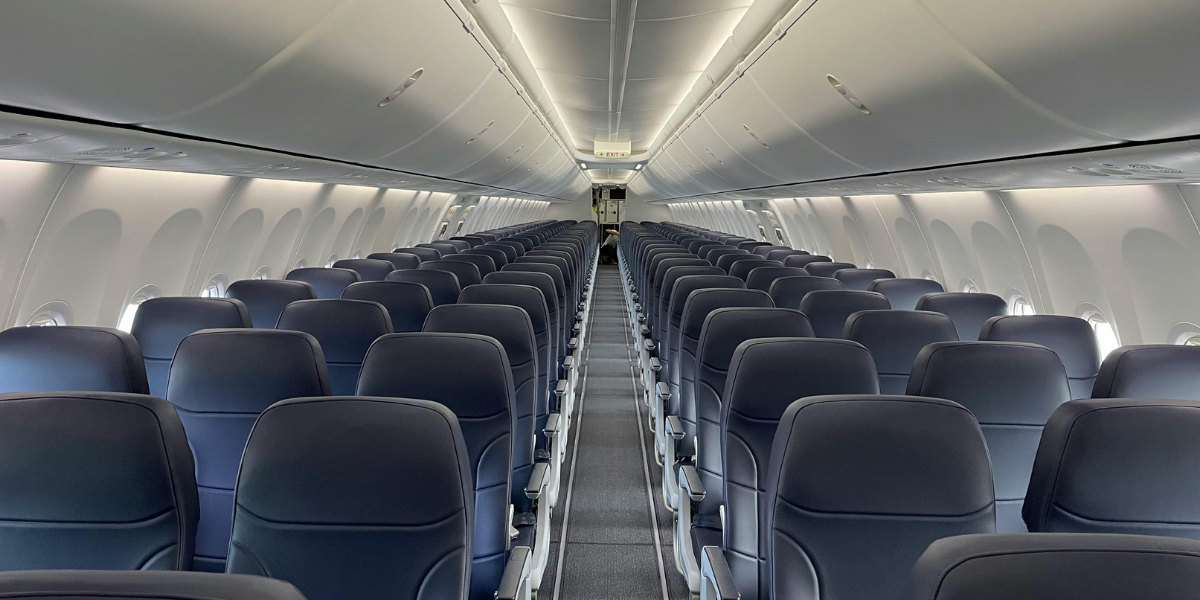
Finding the best seat to sleep on a plane is the most important step in setting yourself up for success. Seat selection can instantly make or break your travel comfort.
The Window Seat (The Gold Standard for Rest)
- Why it works: You get a solid wall to lean your head or pillow against. You also control the window shade, keeping unwanted sunlight out.
- Best benefit: Nobody will disturb you or ask you to move when they need to get up.
Exit Row and Extra Legroom Seats
- Why it works: Extra space allows you to extend your legs fully and relax your lower body.
- Things to consider: Some exit row seats do not recline fully, so check seat maps before booking.
Seats to Avoid
The Middle Seat
Limited movement, zero wall support, and shared armrests make this the hardest spot for resting.
Seats Near the Restrooms
High foot traffic, constant door opening, flushing noises, and cabin lights make these rows noisy and restless.
How to Sleep on a Long Flight
A step-by-step approach ensures you feel refreshed rather than exhausted when you land. Here is how to sleep on a long flight using a straightforward, structured plan.
Before Boarding
- Manage your sleep: Try sleeping slightly less the night before an overnight flight so your body is naturally tired.
- Watch caffeine intake: Skip heavy coffee, sodas, or energy drinks at least four hours before your departure.
- Dress in layers: Cabin temperatures fluctuate drastically. Wear loose, breathable clothes and soft socks.
- Prepare your sleep kit: Keep your flight sleep essentials in a small pouch inside your personal item so you do not have to dig through overhead bins.
During the Flight
- Set your time zone: Change your watch to your destination time as soon as you settle into your seat.
- Dim your screens: Avoid bright phones or inflight entertainment screens right before you try to close your eyes.
- Position your support: Secure your neck pillow and adjust your seat position before you get overly tired.
- Relax your body: Unclench your jaw, drop your shoulders, and keep your feet flat on the floor or on a footrest.
Best Sleeping Position on a Plane
Finding a healthy posture prevents you from waking up sore.
The Window Lean
Leaning gently against the cabin wall offers stable support for your upper body and reduces sideways neck swaying.
The Proper Neck Pillow Alignment
Place your neck pillow in a way that keeps your cervical spine straight. Many travelers find that turning horseshoe-shaped pillows backward (with the thick support under the chin) keeps the head from dropping forward.
The Gentle Recline
A slight recline relieves pressure on your spine. Always check behind you before leaning back, and return your seat upright during meal service out of courtesy to fellow passengers.
Flight Sleep Essentials You Should Pack
Packing the right airplane sleeping tips into your carry-on helps block out unwanted light and sound.
1. Travel Neck Pillow
Supports your head and keeps your posture aligned so you can sleep on a plane without neck pain.
2. Contoured Eye Mask
Blocks bright reading lights and cabin illumination, signalling to your brain that it is time to sleep.
3. Noise-Canceling Headphones or Earplugs
Dampens low-frequency engine noise and muffles ambient passenger conversations.
4. Comfortable Clothing Layers
A lightweight hoodie, cardigan, or oversized scarf allows you to adjust to unpredictable cabin temperatures.
5. Compression Socks
Promotes blood circulation in your legs, reducing swelling and fatigue on long journeys.
How to Sleep on an Overnight Flight
Learning how to sleep on an overnight flight is often easier because the airplane environment works in your favor.
On red-eye routes, cabin crews dim the overhead lights shortly after takeoff, and most passengers naturally settle down to sleep. To take full advantage of this:
- Eat a light meal before or early in the flight so digestion does not keep you awake.
- Avoid using alcohol as a sleep aid; while it might make you drowsy initially, it disrupts deep sleep cycles and worsens dehydration.
- Stick to your regular bedtime routine as much as possible, such as brushing your teeth and washing your face before settling into your seat.
How Flight Timing Affects Your Sleep
The specific timing of your departure dictates how easy it will be to rest. Matching your travel preferences with your itinerary makes a massive difference.
- Red-Eye Flights: Ideal for long distances because they match your body’s natural sleeping hours. You wake up closer to your destination time, saving a day of travel.
- Morning Flights: Easier for energy management, but they require very early wake-up calls that can tire you out later in the evening.
Planning ahead by viewing options for cheap domestic flights USA or checking guide tips on the cheapest day to fly can help you balance cost and physical comfort.
Best Sleep Tips for Popular Long Domestic Routes
Route length directly impacts how much rest you can realistically get on a plane.
Flights to Los Angeles
When booking flights to Los Angeles from the East Coast, select evening or overnight options. Crossing multiple time zones west-to-east or east-to-west is easier when you use flight time for a structured nap.
Flights to New York
Travelers taking flights to New York often face busy flight schedules and early morning arrivals. Using noise-canceling accessories helps block out the chatter of bustling business travelers.
Flights to Miami
If you are taking flights to Miami for a relaxing vacation, land feeling refreshed by resting during the second half of your journey.
Flights to Denver
Due to high elevation changes, flights to Denver require extra hydration. Drink plenty of water before trying to sleep to avoid headaches caused by dry cabin air.
Flights to San Francisco
Long-haul trips like flights to San Francisco give you plenty of time for a full sleep cycle. Put your sleep mask on early to maximize your rest hours.
Common Mistakes That Make Sleeping on a Plane Harder
- Drinking excessive caffeine or energy drinks right before boarding.
- Waiting until you are on the plane to figure out your sleep routine.
- Wearing tight, restrictive clothing that restricts circulation.
- Keeping bright electronic screens inches from your face until the moment you close your eyes.
- Forgetting basic plane travel comfort tips like packing water or an eye mask.
How to Sleep on a Plane Without Neck Pain
Waking up with a stiff neck can ruin the first day of your trip. To keep your spine comfortable:
- Support your lower back by placing a small travel pillow or folded jacket behind your lumbar curve.
- Position your neck pillow to prevent your chin from falling forward onto your chest.
- Avoid angling your head sharply to one side for prolonged periods without support.
- Perform simple shoulder rolls and neck tilts before you close your eyes to release built-up tension.
Flight Sleep Checklist
Before Boarding
- Select a window seat in advance
- Download relaxing audio or sleep playlists
- Wear soft, layered clothing
- Avoid heavy caffeine and large meals
On the Plane
- Put on your compression socks
- Secure your neck pillow and eye mask
- Set your devices to destination time
- Adjust your seat back slightly and relax
Expert Travel Tip : If quality rest is your top priority, choose your flight schedule and seat assignment before focusing strictly on price. A slightly better flight time or a window seat selection can transform an exhausting trip into a peaceful journey.
Frequently Asked Questions
1. What is the best way to sleep on a plane?
The best way is choosing a comfortable seat, using sleep accessories, reducing distractions, and preparing your body before the flight.
2. What is the best seat to sleep on a plane?
Window seats are usually preferred because travelers can lean against the wall and avoid being disturbed by other passengers.
3. How do you sleep on a plane without a pillow?
Use clothing layers like a rolled-up jacket or scarf, adjust your seat position, support your neck, and avoid positions that force your head forward.
4. How can I sleep on a long flight?
Prepare before boarding, select a comfortable seat, reduce screen use, use travel accessories, and match your sleep schedule with your destination.
5. Can you sleep on overnight flights?
Yes. Overnight flights are often easier for sleeping because cabin lighting and passenger activity are reduced.
Ready to Plan Your Next Journey?
Finding the right flight time and route makes your entire travel experience seamless and comfortable. Whether you are looking for flights to Chicago, flights to Orlando, flights to Boston, flights to Houston, flights to Las Vegas, flight tickets from chicago to new york, plane tickets to chicago from florida, plane tickets to texas from ohio, va to fl flights, or routes from toronto to halifax, choosing the right schedule is the key to traveling well.
Compare flight options today and pick a schedule that fits your comfort and travel plans!
CALL US TOLL-FREE to get the best unpublished rate
Submit a request
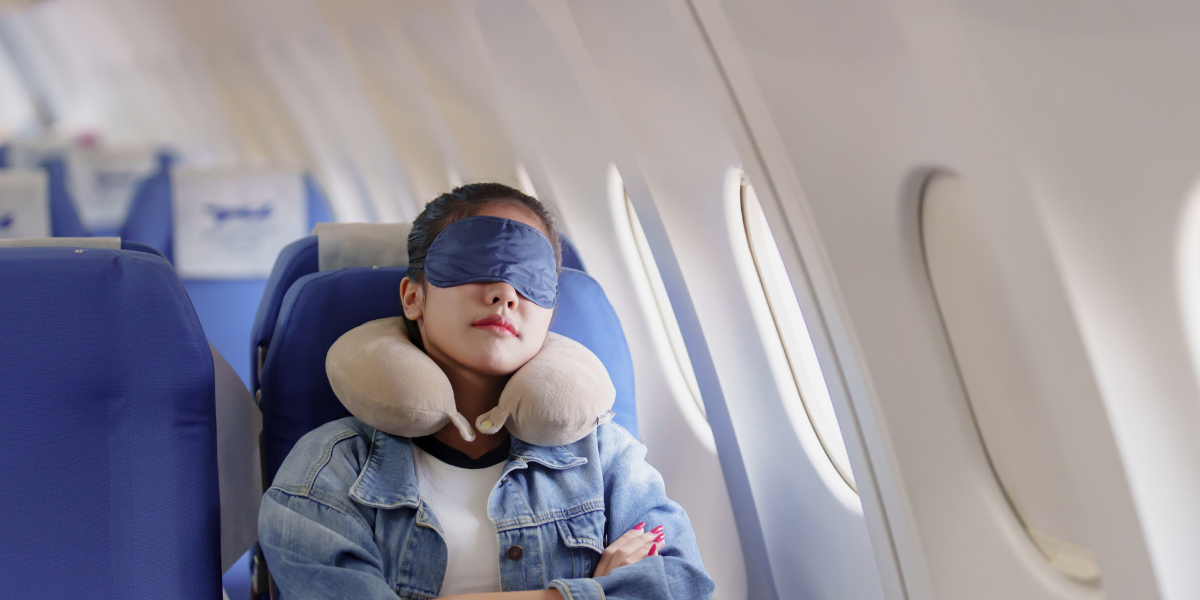
How to Sleep on a Plane: Tips for Better Flight Rest
Your flight does not have to feel like a sleepless...
United Airlines Flying With Pets: Complete Pet Travel Guide
Introduction: Flying With Your Pet Does Not Have To Be...

Las Vegas to Los Angeles Weekend Guide: Flights & Tips
If the neon and noise of the Strip are starting...

Atlanta to Miami Weekend Guide: Flights, Beaches & Tips
Sometimes you just need to swap the bustling streets of...

Virginia to Florida Spring Break Guide: Beaches & Flights
When late winter brings freezing temperatures and grey skies to...


About Us
Truairfare.com is an online search portal for flights tickets where you can find a variety of accommodations near you or at your preferred location.
Get in Touch
Disclaimer:- We are resellers of travel products and services, including hotels, flight deals, car rentals, vacation packages, and attractions. We are a travel company with an online portal partnered with travel consolidators and third-party travel providers. We are not directly or indirectly associated with any airline, hotel, resort, or accommodation. All prices quoted through us include all taxes and fees. The hotel search engine used is a third-party tool from Travelpayouts, which is simply used to provide information; we are not associated with any company, accommodation, or property available on it.
