
 844 744 6348
US Airline Hubs: Complete Guide to Major Airport Hubs
May 26, 2026
Planning a trip can sometimes feel like solving a complex puzzle. You have to balance flight times, layovers, and ticket prices just to get from point A to point B. If you want to make this process much easier, the secret lies in understanding US airline hubs.
Major airport hubs USA serve as the nerve centers for the aviation industry. They dictate where airplanes fly, how much your tickets cost, and how long your layover will be. By mastering this airline hub guide, you can unlock better flight options, find cheaper fares, and take total control of your travel itinerary.
What Is an Airline Hub?
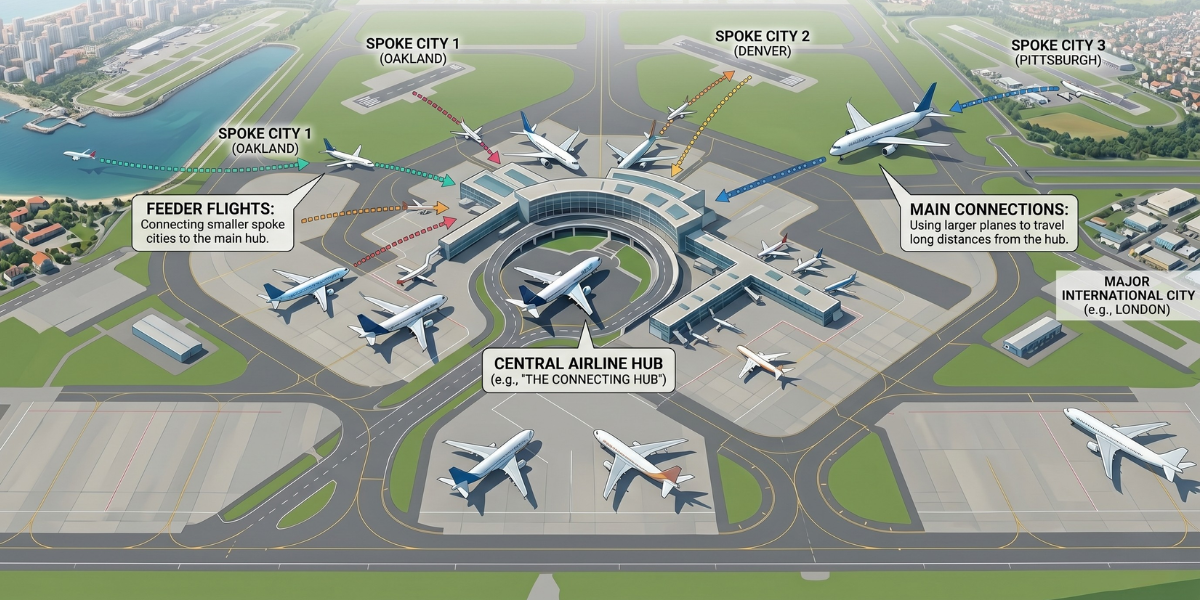
To understand how air travel works, it helps to look at the hub and spoke airline system. Imagine a bicycle wheel. The hub is the center of the wheel, and the spokes are the lines radiating outward to smaller cities.
An airline hub is a major airport that a specific carrier uses as a central transfer point. Instead of flying planes directly between every single small city in the country, airlines fly passengers from smaller airports into a central hub. Once there, passengers connect to other flights heading out to their final destinations.
For example, if you want to fly from a small town in Ohio to a city in California, you will likely fly into a major airport hub first, change planes, and then fly to your destination. Airlines use this system because it is highly efficient. It allows them to fill more seats on every aircraft and offer flights to hundreds of destinations that would otherwise be impossible to serve directly. Once you understand hubs, flight prices and route options start making a lot more sense.
Hub vs Focus City vs Operating Base

Not every major airport presence is a traditional hub. Airlines use different terms to describe how they operate in various cities. It is important to know the differences so you can understand how much flight availability a city really has.
- Airline Hub: This is a major connecting airport with high flight volume, dedicated terminal space, and thousands of connecting passengers daily. An example is Dallas for American Airlines.
- Airline Focus Cities: A focus city is an important market for an airline, but it does not have the massive connecting infrastructure of a full hub. The airline targets local travelers in these cities. An example is Austin for several carriers.
- Operating Base: This is a location where an airline stores aircraft and stations flight crews, but it is often used by low cost carriers that rely on point to point flights rather than connections. Southwest Airlines utilizes these heavily across its network.
Why Airline Hubs Matter for Travelers
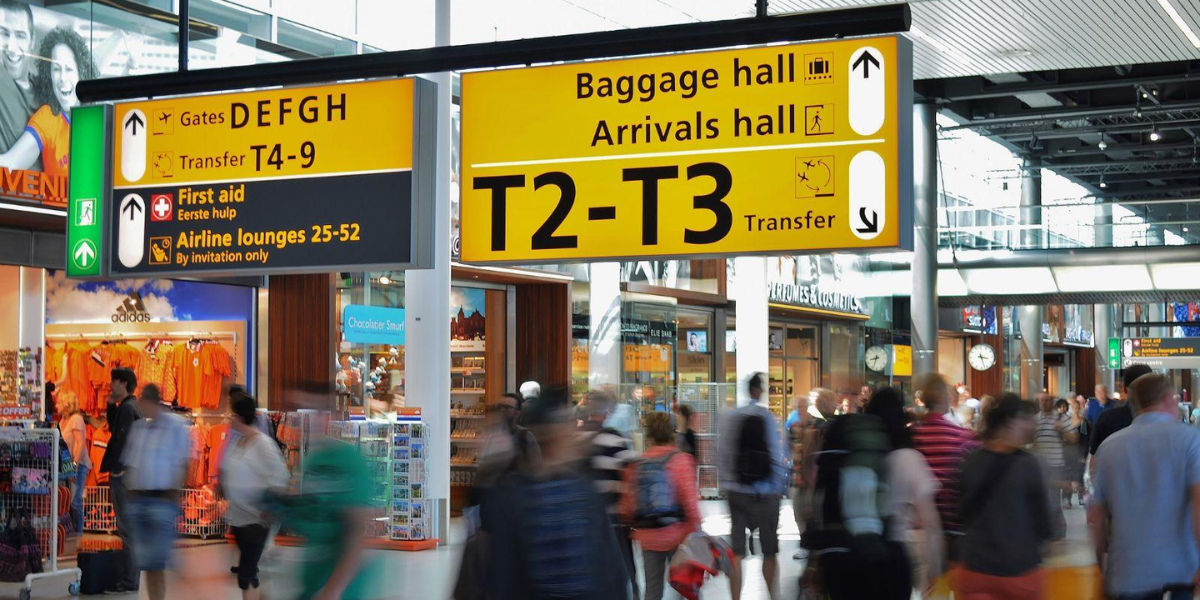
Knowing the landscape of airline hubs in the United States gives you a massive advantage when booking travel.
First, hubs offer an incredible number of nonstop routes. If you live in or near a hub city, you can fly to dozens of domestic and international destinations without ever having to change planes. This saves time and reduces the stress of travel.
Second, hubs provide incredible flight frequency. If a flight gets delayed or canceled, an airline operating out of its main hub will have plenty of other flights and backup aircraft available to get you on your way.
Finally, hubs can create excellent opportunities for lower fares due to increased competition. If you live near a hub, you may have more route choices and better chances of finding competitive fares.
Major American Airlines Hubs
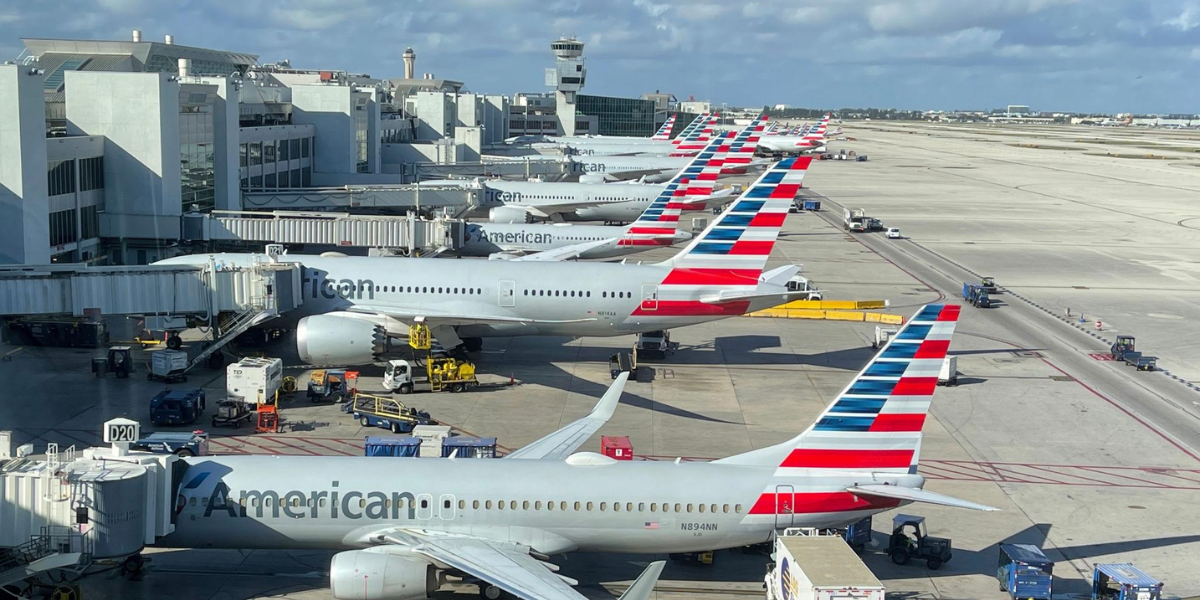
-> Dallas/Fort Worth:
The crown jewel of the American Airlines network. This is the primary hub for the carrier and handles flights to almost every corner of the country. If you are looking for flights to Dallas, you will find an endless stream of options because of this massive operation.
-> Charlotte:
On the East Coast, this serves as a vital connecting point for passengers moving up and down the Atlantic seaboard.
-> Miami:
For international travel, this is the ultimate gateway for flights to Florida and onward to Latin America and the Caribbean, making flights to Miami highly sought after.
-> Other Major Presences:
American also maintains a major presence at Chicago O’Hare, Phoenix, Philadelphia, Washington National, Los Angeles, and New York. This wide distribution allows them to offer robust schedules, whether you need flights to Phoenix, flights to philadelphia, or flights to charlotte.
Major Delta Air Lines Hubs
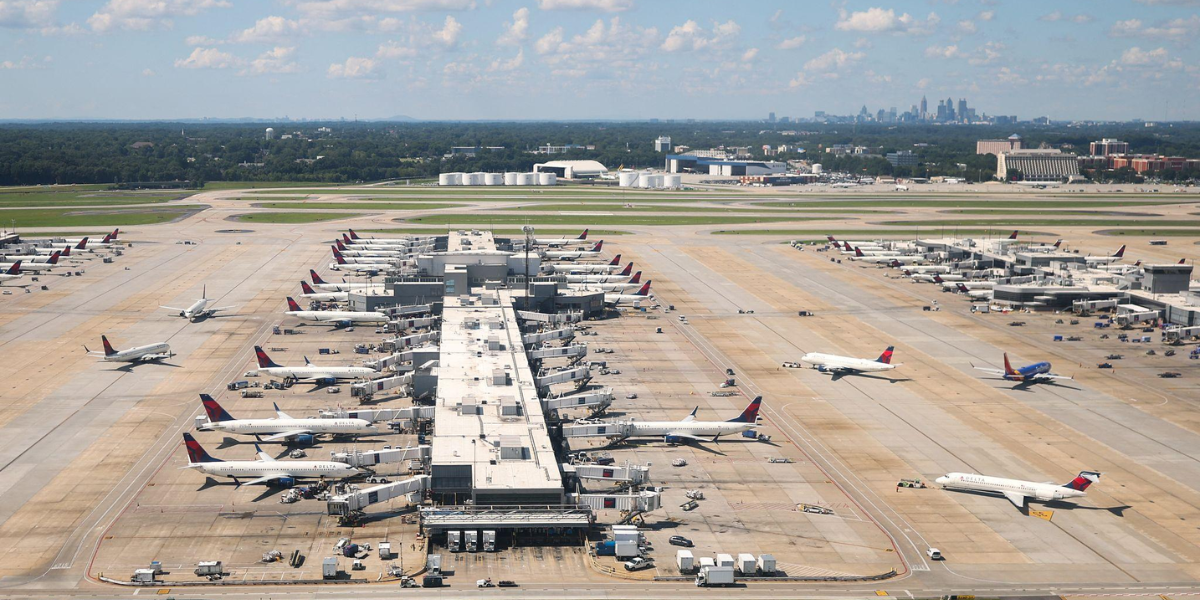
->Atlanta:
The heart of Delta. This airport is Delta’s most important hub and stands as one of the busiest airport hubs in the world. It connects passengers from small southern towns to major global cities every single day. If you are booking flights to Atlanta, you are flying into the very core of Delta’s network.
->Detroit and Minneapolis/St. Paul:
In the Midwest, Delta relies heavily on these hubs to funnel traffic across the northern United States. If you need flights to detroit, you will benefit from their modern, easy to navigate terminal.
-> Salt Lake City and Seattle:
For western travel, Salt Lake City serves as a powerful Mountain West hub, while Seattle provides a gateway to the Pacific.
-> Coastal Cities:
Delta also has a massive footprint in coastal cities, providing frequent flights to New York, flights to Boston, and flights to Los Angeles for business and leisure travelers alike.
Major United Airlines Hubs
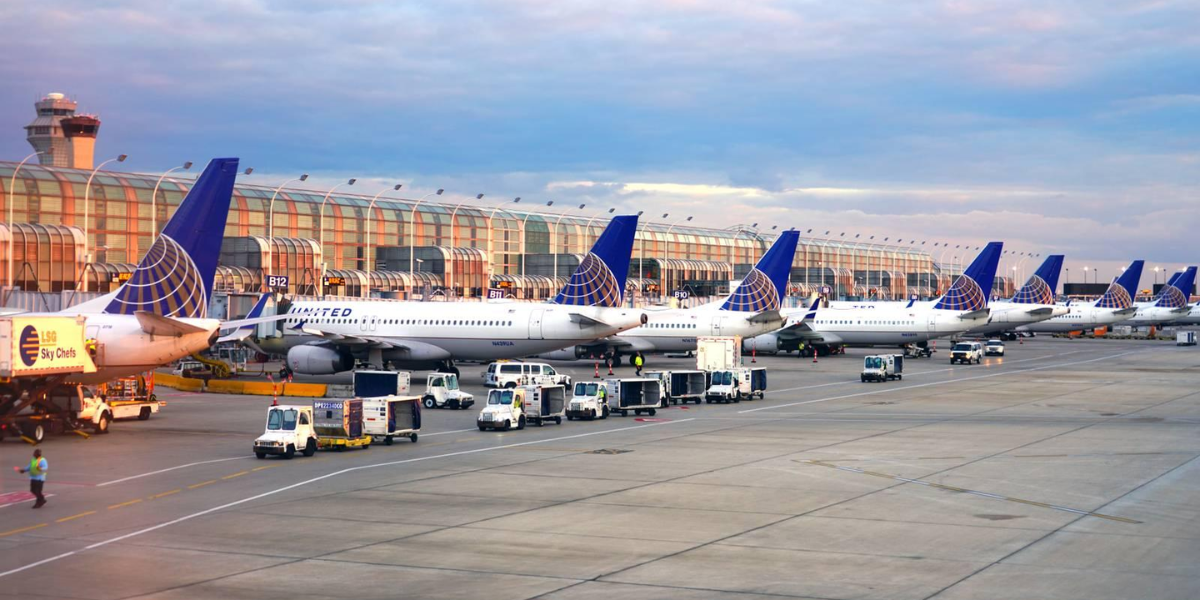
-> Chicago O’Hare:
In the center of the country, this stands as a historic and powerful major hub for United, offering frequent flights to Chicago.
-> Denver:
Moving west, this functions as a massive, rapidly growing hub that handles heavy domestic traffic, making flights to Denver a major component of their network.
-> Houston Intercontinental:
For southern and Latin American travel, this serves as a crucial hub, meaning flights to Houston are plentiful.
-> Newark and San Francisco:
On the coasts, United dominates at Newark for East Coast transatlantic travel, and San Francisco serves as the premier Pacific gateway, providing extensive flights to San Francisco.
-> Additional Presences:
Combined with their presence in Los Angeles and Washington Dulles, United can connect travelers to almost any destination on Earth.
Other Important US Airline Hubs and Focus Cities

-
Alaska Airlines: Focuses heavily on the West Coast, with its primary hub in Seattle and significant operations supporting flights to portland, flights to san jose, and flights to oakland.
-
Hawaiian Airlines: Uses Honolulu as its central hub to connect the islands to the mainland and Asia.
-
JetBlue, Spirit, and Frontier: Low cost and ultra low cost carriers operate differently. They generally favor a point to point model but still maintain massive focus cities or operating bases. JetBlue has a massive presence on the East Coast, driving heavy traffic for flights to boston and flights to fort lauderdale.
-
Southwest Airlines: Often uses a point to point model and refers to major airports as operating bases rather than traditional hubs. This approach allows them to offer extensive flight options to popular vacation spots, making it easy to book flights to orlando, flights to Las Vegas, flights to florida, flights to Nashville, and flights to tampa without needing a traditional mega hub structure.
Biggest US Hub Airports by Passenger Traffic
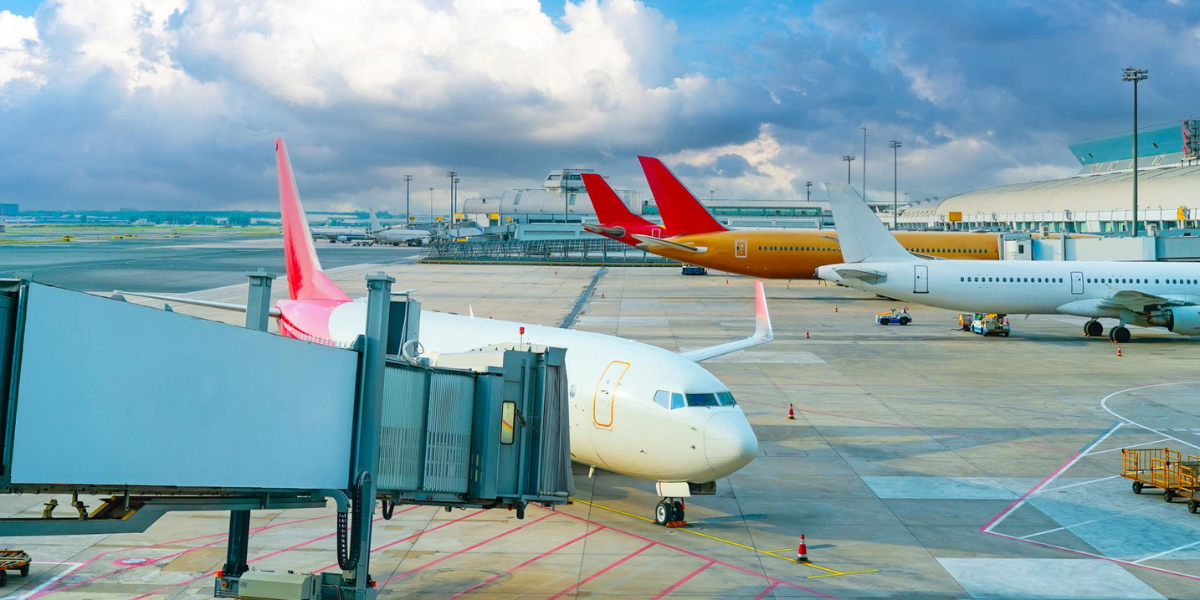
When looking at the largest US airport hubs, traffic is driven by both local passengers and people connecting between flights.
Atlanta holds the top spot, driven almost entirely by Delta’s massive connecting machine. Dallas/Fort Worth follows closely behind as American’s central mega hub. Denver and Chicago O’Hare are major battlegrounds where multiple airlines compete fiercely for passengers. Los Angeles is a unique market because it serves as a hub or focus city for almost every major airline, rather than being dominated by just one carrier. This intense competition is excellent news for anyone searching for flights to los angeles.
How Airline Hubs Affect Flight Prices

The relationship between US airline hubs and airfares is fascinating. On one hand, hubs create incredible efficiency and high flight volumes, which can drive prices down. When multiple airlines compete on a route out of a major airport, it can trigger airline fare wars, resulting in the cheapest flights from hub airports.
On the other hand, if a single airline dominates a specific hub airport, it can sometimes charge higher prices for local passengers because it controls the majority of the nonstop flights. Travelers can beat this system by looking at rival airlines. Often, a competitor airline will offer steep discounts on flights that connect through their own hub, just to win business away from the dominant carrier. Before booking, compare fares from nearby hub airports. A short drive could save serious money.
How Travelers Can Use Hub Strategy to Save Money

You can use your knowledge of major US airport hubs to build a smart travel strategy and save money on your next vacation.
- Compare Nearby Hubs: If you live between two major cities, always check prices at both airports. Flying out of a larger hub might save you hundreds of dollars.
- Watch for Fare Wars: When one airline drops prices at its hub, competitors often match those prices at their own hubs. Keep an eye out for these system wide drops.
- Check Alternative Routes: Sometimes, booking a flight with a brief layover at a major hub is significantly cheaper than taking a direct flight on a boutique airline.
- Use Hubs for International Travel: If you are planning a trip overseas, look for a cheap domestic flight to a major gateway hub like New York, Miami, or San Francisco, and book your international ticket from there.
- Avoid Tight Layovers: When booking a connecting flight through a massive hub like Chicago O’Hare or Atlanta, ensure you have at least an hour to make your connection so you do not miss your next flight.
Common Mistakes Travelers Make with Airline Hubs

One of the biggest mistakes travelers make is assuming the closest airport will always have the best deal. Smaller regional airports often have higher ticket prices because they lack the volume and competition of a major airport hub.
Another frequent error is booking a tight 30 minute connection at a massive airport. US airline hubs are physically huge. It can take a long time to travel between terminals, and a short delay on your first flight can ruin your entire trip. Finally, don’t ignore the low cost carrier bases. Checking airports where Southwest or JetBlue have a large network city can reveal hidden savings that you won’t find by only looking at the legacy airlines. A little hub knowledge can help travelers avoid expensive or stressful booking mistakes.
Conclusion
Understanding how airline hubs in the United States operate is one of the best ways to become a smarter, more confident traveler. These major airports serve as the engine blocks of the aviation world, dictating flight paths, connection schedules, and ticket prices. By knowing which airlines dominate specific regions, you can easily predict where you will lay over, find the most convenient nonstop routes, and spot the best travel deals.
Use this US airline hub guide before booking your next trip so you can compare routes smarter, spot better fares, and choose stronger connection options.
Read More: Master Your Flight Booking
FAQ Section
1. What are US airline hubs?
US airline hubs are major airports where specific airlines concentrate their flights, aircraft, crews, and operations to efficiently connect passengers to various destinations.
2. What is the largest airline hub in the US?
Atlanta is widely known as one of the busiest airline hubs in the United States and serves as the primary hub for Delta Air Lines.
3. What are American Airlines’ main hubs?
American Airlines’ major hubs include Dallas/Fort Worth, Charlotte, Chicago O’Hare, Miami, Phoenix, Philadelphia, Washington National, Los Angeles, and New York.
4. What are Delta Air Lines’ main hubs?
Delta’s major hubs include Atlanta, Detroit, Minneapolis/St. Paul, Salt Lake City, New York, Boston, Los Angeles, and Seattle.
5. What are United Airlines’ main hubs?
United’s major hubs include Chicago O’Hare, Denver, Houston Intercontinental, Newark, San Francisco, Los Angeles, and Washington Dulles.
6. What is the difference between a hub and a focus city?
A hub is a major connecting airport with large scale operations designed to route passengers to other flights. A focus city caters mostly to local travelers and has fewer connecting flights.
7. Do hub airports have cheaper flights?
They can. Hub airports offer more competition and higher flight volumes, which can lead to fare sales. However, if one airline completely dominates a hub, local nonstop flights can sometimes be more expensive.
8. How can I use airline hubs to save money?
You can save money by comparing fares between nearby competing hubs, looking for connecting flights through rival airline hubs, and using major hubs as jumping off points for international travel.
Ready to book your next flight? Let us do the math.
Don’t let hidden fees or poor hub connections ruin your budget. Call our travel desk to find the absolute lowest total fare for your route.
CALL US TOLL-FREE to get the best unpublished rate
Submit a request

What Happens If You Miss Your Connecting Flight?
Missing a connecting flight can instantly turn an exciting journey...

Carry-On vs Personal Item: What’s the Difference?
Before every flight, many travelers face the exact same dilemma:...

Can You Change the Name on a Plane Ticket? Airline Name Correction Rules Explained
A small spelling mistake on a plane ticket can create...
Miami International Airport (MIA): Flight Information, Arrivals, Departures & Passenger Details
Miami International Airport is one of the busiest airports in...

Southwest Airlines Baggage Policy 2026: Updated Fees, Carry-On Rules & Free Bags
Southwest Airlines was known for decades as the one carrier...



About Us
Truairfare.com is an online search portal for flights tickets where you can find a variety of accommodations near you or at your preferred location.
Get in Touch
Disclaimer:- We are resellers of travel products and services, including hotels, flight deals, car rentals, vacation packages, and attractions. We are a travel company with an online portal partnered with travel consolidators and third-party travel providers. We are not directly or indirectly associated with any airline, hotel, resort, or accommodation. All prices quoted through us include all taxes and fees. The hotel search engine used is a third-party tool from Travelpayouts, which is simply used to provide information; we are not associated with any company, accommodation, or property available on it.
