
 844 744 6348
Safest Airlines in the US: 2026 Guide to Flying Securely
April 16, 2026
Introduction: Is It Safe to Fly in 2026?
A lot of travelers are asking this question before booking their next trip: “With all these flight delays and cancellations in the news, is flying actually getting less safe?”
It is completely understandable to wonder. But here is the truth – 2026 is the safest year in commercial aviation history. Not just in America, but globally. The numbers back this up, and the reason behind it is a technology called Predictive AI Maintenance.
Here is how it works in simple terms. Modern aircraft are loaded with thousands of sensors across their engines, landing gear, hydraulics, and cabin systems. These sensors send continuous streams of data to airline maintenance teams on the ground. Instead of waiting for something to break, engineers can now spot a potential issue days in advance and fix it before the plane ever takes off again. A component that might have failed mid-flight three days from now gets swapped out during a routine overnight stop tonight.
Now here is a connection most travelers never think about: flight status data and safety go hand in hand. When an airline consistently shows strong on-time performance, it is not just good scheduling. It reflects a culture of discipline in the maintenance bay, the crew room, and the operations center. A carrier with a high on-time performance rate usually indicates a well-maintained fleet and a proactive safety culture. Delays caused by mechanical issues are red flags. Airlines that keep those numbers low are the ones that take safety the most seriously.
So if you have been nervous about flying in 2026, take a breath. The data is firmly on your side.
How Airlines Are Rated for Safety: The 2026 Metrics

When people ask, “How do I know if an airline is actually safe?” most online articles point them toward crash histories. That is a starting point, but modern aviation safety is far more nuanced. In 2026, analysts and aviation watchdog organizations rate carriers using a layered set of metrics.
The key indicators include:
- Fleet Age: Newer aircraft come equipped with better avionics, stronger airframes, and more advanced safety systems. The safest carriers in the US maintain an average fleet age between 10 and 15 years. Older fleets are not automatically unsafe, but newer planes offer more built-in protections.
- Pilot Training Hours: The FAA sets minimum training requirements, but the best airlines far exceed those minimums. Top-rated carriers run their pilots through simulator programs that replicate extreme weather conditions, total engine failure, bird strikes, and emergency landing scenarios situations most pilots will never face in real life but need to be ready for.
- Maintenance Completion Rates: This tracks how often scheduled maintenance is completed on time and to full specification. Airlines with high completion rates have fewer last-minute mechanical groundings and fewer in-flight incidents.
- Flight Status Reliability: This is arguably the most underappreciated safety indicator. Consistent on-time performance and low flight delay statistics mean that maintenance teams are doing their work correctly the first time. Low cancellation rate carriers are not just convenient they are demonstrating operational discipline at every level.
Think of it this way: a steady on-time record is the heartbeat of airline safety. When that rhythm is consistent, everything behind the scenes is working the way it should.
Top Safest Airlines in the US for 2026
Here is a clear comparison of the top-rated airlines in the USA for safety, based on fleet data, on-time records, and maintenance investment heading into 2026.
| Airline | Safety Tier | 2026 On-Time Rate | Avg. Fleet Age | Cancellation Rate |
| Delta Air Lines | Elite | 84%+ | 13.2 years | Under 1.5% |
| Alaska Airlines | Top-Rated | 82% | 11.8 years | Under 1.8% |
| Southwest Airlines | High Reliability | 80% | 12.1 years | Under 2.0% |
| American Airlines | Modern Tech | 79% | 14.0 years | Under 2.3% |
| United Airlines | Operational Excellence | 78% | 15.4 years | Under 2.5% |
All five of these carriers maintain strong domestic safety records. The differences between them come down to consistency, technology investment, and how aggressively they pursue continuous improvement. Let us look at each one more closely.
Why Delta Air Lines is a Top Pick for Safety
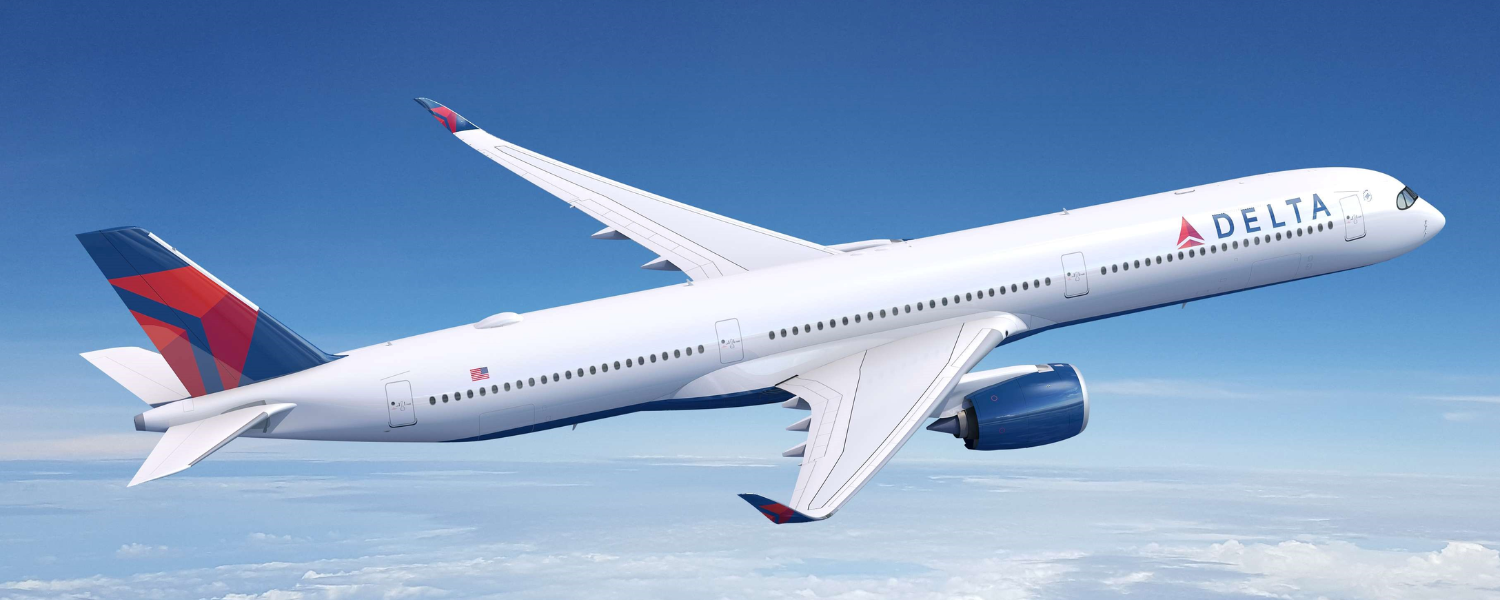
The question many business travelers ask is: “Is Delta actually the safest airline for frequent flyers?” Based on 2026 data, Delta is a very strong case for the top spot.
The core reason is their TechOps division, one of the largest airline maintenance operations anywhere in the world. Based in Atlanta, Delta TechOps does not just service Delta’s own planes it also handles maintenance contracts for dozens of other airlines globally. That level of expertise filters directly back into Delta’s own fleet management.
What makes Delta stand out in 2026:
- An on-time arrival rate that consistently stays above 84%, the best among major US carriers
- A cancellation rate that sits under 1.5%, meaning fewer last-minute disruptions
- A predictive maintenance program that monitors engine performance, brake wear, and hydraulic pressure on every flight
- Pilot training programs that log significantly more hours than FAA minimums
If you are planning safe domestic flights from Chicago to NYC, Delta operates multiple daily nonstop routes on that corridor, and their low cancellation rate makes them a premier choice for both business and leisure travelers. Whether you are flying for a Monday morning meeting or a weekend getaway, Delta’s operational reliability takes a lot of the stress out of air travel.
How Southwest Airlines Prioritizes Passenger Safety

A common assumption is that budget-friendly airlines must be cutting corners somewhere. When it comes to Southwest, that assumption is simply wrong.
Southwest operates with a model that is actually built for safety through simplicity. Their entire fleet runs on a single aircraft type – the Boeing 737. In 2026, that fleet uniformity continues to be one of their greatest safety advantages.
Here is why a single-fleet model matters:
- Every mechanic is trained on the exact same aircraft. There is no switching between different engine types or cockpit configurations.
- Spare parts are standardized, which means faster repairs and fewer errors during maintenance.
- Pilots fly one aircraft their entire career at Southwest, giving them deep familiarity with every system onboard.
- Training programs are highly focused because there is only one plane to master.
This makes Southwest one of the best examples of cheap flights with the safest airlines in the market. You are not giving up safety for the lower price. You are benefiting from an operational model that prioritizes simplicity as a form of risk reduction. Their on-time performance and low mechanical cancellation numbers reflect this approach directly.
Alaska Airlines: An Excellent Choice for Safe Travel
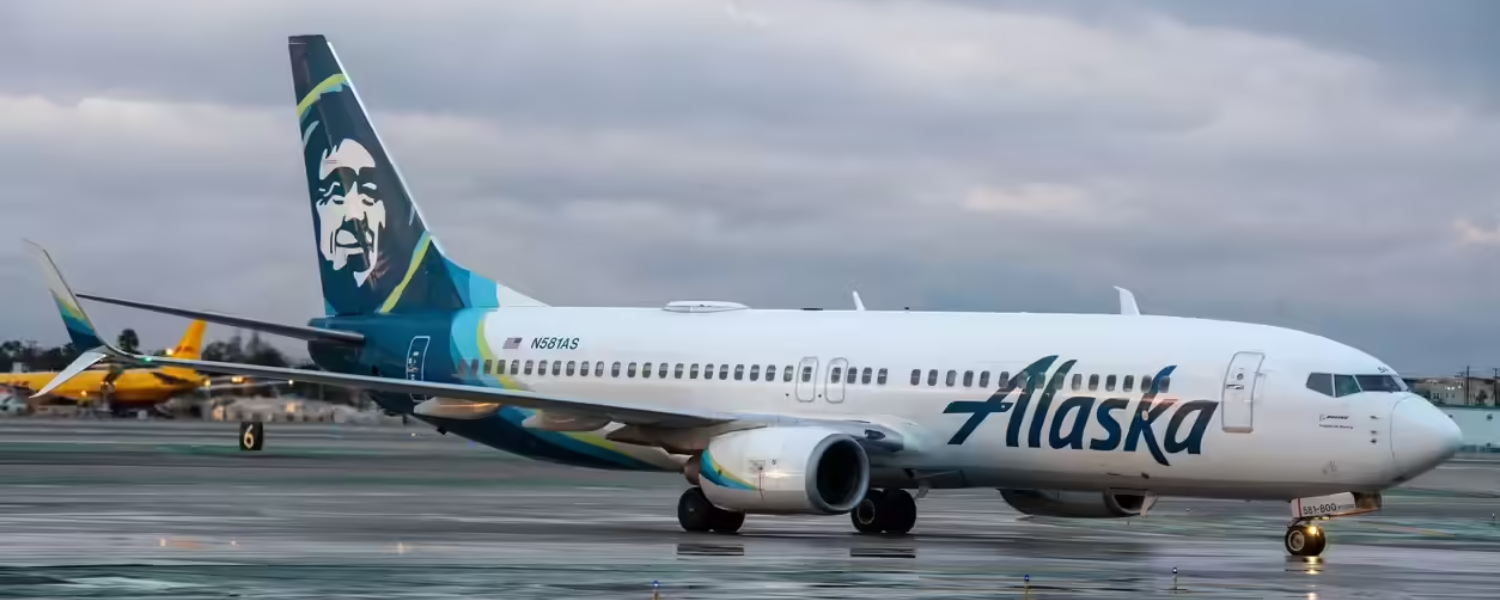
If you have followed aviation news over the past couple of years, you know that Alaska Airlines went through a very public safety review period. The question now is: “How has Alaska Airlines responded, and is it safe to fly with them in 2026?”
The answer is a firm yes. Alaska Airlines has earned back an Elite tier ranking in 2026 through one of the most comprehensive safety overhauls of any US carrier in recent memory.
Key steps Alaska Airlines took to rebuild and strengthen their safety culture:
- A full internal audit of quality control systems, identifying gaps in inspection documentation and crew reporting procedures
- Introduction of a new anonymous safety reporting program that encourages ground crew and flight crew to flag concerns without fear of retaliation
- An accelerated fleet replacement schedule, with older aircraft being retired ahead of plan
- Enhanced oversight partnerships with the FAA, going beyond standard compliance checks
- A significant increase in pilot training hours and simulator frequency
The result is an airline that entered 2026 not just recovered, but genuinely stronger. For travelers looking for a top-rated domestic carrier on West Coast routes and flights from San Francisco to Chicago, Alaska Airlines offers excellent safety credentials alongside competitive pricing.
American Airlines: Leading in Fleet Safety and Reliability
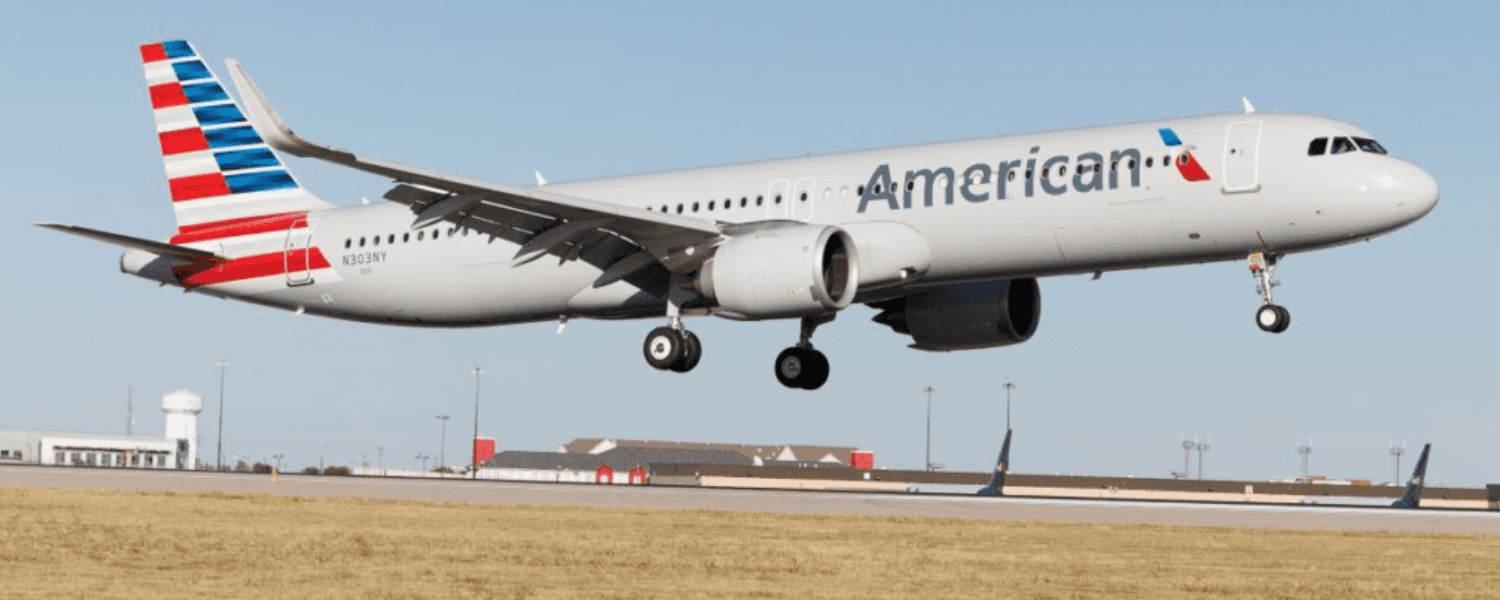
For long-haul domestic routes, American Airlines is a carrier worth examining closely. The question travelers often ask is: “What actually makes American a safe bet on a four or five-hour flight?”
The answer in 2026 is a technology called Health Monitor, a real-time telemetry system that tracks engine performance, fuel flow, cabin pressure, and dozens of other aircraft systems while the plane is in the air. Unlike older maintenance systems that only analyze data after landing, Health Monitor gives ground engineers a live window into how every aircraft is performing at 35,000 feet.
What American Airlines brings to the table in 2026:
- Real-time in-flight telemetry through their Health Monitor platform
- A modernizing fleet that has added hundreds of newer Airbus A321neo and Boeing 737 MAX 10 aircraft
- A dedicated safety operations center that monitors all active American flights simultaneously
- Strong performance on high-traffic routes, including safe flights from New York to Los Angeles, where Health Monitor technology provides an extra layer of security on one of the busiest air corridors in the country
American also performs well on flights from Houston to Atlanta and other high-volume southeastern routes, where their dense network means frequent departures and well-practiced ground crews.
How to Ensure a Safe Flight: A Traveler’s Checklist
Even when you book with the safest airline available, there are smart steps every traveler can take on their own. Here is a practical checklist before your next flight.
- Check your flight status 24 hours before departure: Real-time flight status data can alert you to mechanical holds or weather-related rerouting before you even leave for the airport. Apps from each airline, as well as third-party tools like FlightAware, make this easy.
- Verify your REAL ID compliance: In 2026, TSA has implemented stricter document verification at checkpoints. Travelers without a REAL ID-compliant license or passport may face a $45 TSA ConfirmID processing fee and additional screening delays. Check your state’s DMV website to confirm your ID status before flying.
- Use TrueAirfare to compare and book with safe carriers: TrueAirfare lets you sort flights not just by price but by carrier safety ratings and on-time performance data, making it easier to prioritize safety alongside budget.
- Choose direct flights when possible: Every takeoff and landing is statistically the highest-risk phase of any flight. Fewer stops mean fewer risk windows. For popular routes like flights from San Francisco to Chicago or safe domestic flights from Chicago to NYC, nonstop options are widely available on all five carriers listed above.
- Sit closer to the front or over the wing: While any seat on a safe airline is statistically very secure, over-wing and forward seats tend to experience less turbulence and are closer to emergency exit rows.
Conclusion: Fly with Confidence in 2026
Safety in 2026 is not a single factor. It is a combination of skilled pilots, cutting-edge predictive maintenance, rigorous training programs, and the operational discipline that shows up in on-time numbers and low cancellation rates. Every airline on this list has earned its place through consistent performance and genuine investment in passenger security.
Whether you are booking safe domestic flights from Chicago to NYC, searching for direct flights from Houston to Atlanta, or planning a cross-country trip on safe flights from New York to Los Angeles, you have excellent options to choose from. The skies in 2026 are safer than they have ever been, and the carriers above are the reason why.
Don’t Leave Your Safety to Chance
Navigating the 2026 skies requires the right data. If you have questions about flight status, safety ratings, or finding the most reliable cheap domestic flights, our specialists are here to guide you.
Call Our 2026 Safety & Booking Desk:
+1-844-744-6348
Speak to a live expert to compare performance data and book your secure journey today.
Frequently Asked Questions
Q: What is the safest airline in the US for 2026?
Delta Air Lines holds the Elite safety tier in 2026, driven by their TechOps maintenance division, an on-time arrival rate above 84%, and a cancellation rate under 1.5%. Alaska Airlines follows closely in the Top-Rated tier after completing a comprehensive quality control overhaul. Both are excellent choices depending on your route and travel preferences.
Q: How do I check the safety of an airline?
Start with the FAA’s public records database, which tracks incident reports and inspection findings for all US carriers. Aviation watchdog organizations like AirlineRatings.com publish annual safety rankings based on fleet age, pilot training, and operational data. You can also check an airline’s on-time performance through the Bureau of Transportation Statistics consistently high on-time numbers are one of the clearest signs of a safe and well-run operation.
Q: What is flight status data and why does it matter?
Flight status data refers to real-time and historical information about a specific flight including departure times, arrival times, delays, cancellations, and the reasons behind them. It matters for safety because delays caused by mechanical issues are direct indicators of maintenance challenges. Airlines with consistently clean flight status records are demonstrating that their maintenance teams are staying ahead of problems, not reacting to them after the fact.
Q: How can I book a flight with the safest airlines?
Visit TrueAirfare to search and compare flights across all major US carriers. The platform allows you to filter by route, price, and carrier performance data, making it straightforward to book with the airlines that rank highest for safety. You can also book directly through each airline’s official website, where frequent flyer programs and safety-certified booking options are available. Always cross-check your booking with real-time flight status tools before heading to the airport.
CALL US TOLL-FREE to get the best unpublished rate
Submit a request

What to Do If I Miss My Flight? Rebooking & Refund Guide (2026)
TRANDED AT THE AIRPORT RIGHT NOW? If you are currently...

Best Travel Destinations in America: 2026 Travel Guide
Planning your next vacation can be an adventure in itself....
The 10 Busiest Airports in the US (And How to Navigate Them in 2026)
Millions of people take to the skies every single day,...
Hartsfield-Jackson Atlanta International Airport (ATL) Guide 2026
Whether you are a seasoned business traveler or a first-time...

Can You Bring Vitamins on a Plane? TSA Rules Explained
Planning a trip involves a lot of packing logistics, from...



About Us
Truairfare.com is an online search portal for flights tickets where you can find a variety of accommodations near you or at your preferred location.
Get in Touch
Disclaimer:- We are resellers of travel products and services, including hotels, flight deals, car rentals, vacation packages, and attractions. We are a travel company with an online portal partnered with travel consolidators and third-party travel providers. We are not directly or indirectly associated with any airline, hotel, resort, or accommodation. All prices quoted through us include all taxes and fees. The hotel search engine used is a third-party tool from Travelpayouts, which is simply used to provide information; we are not associated with any company, accommodation, or property available on it.
